




























Events Calendar

Mon
Tue
Wed
Thu
Fri
Sat
Sun
M
T
W
T
F
S
S
26
27
28
29
30
31
1
2
3
4
6
7
8
10
11
12
13
14
15
17
18
20
21
22
24
25
28
29
30
31
1
2
3
4
5
Food and Beverages
2021-07-26 - 2021-07-27    
12:00 am
The conference highlights the theme “Global leading improvement in Food Technology & Beverages Production” aimed to provide an opportunity for the professionals to discuss the [...]
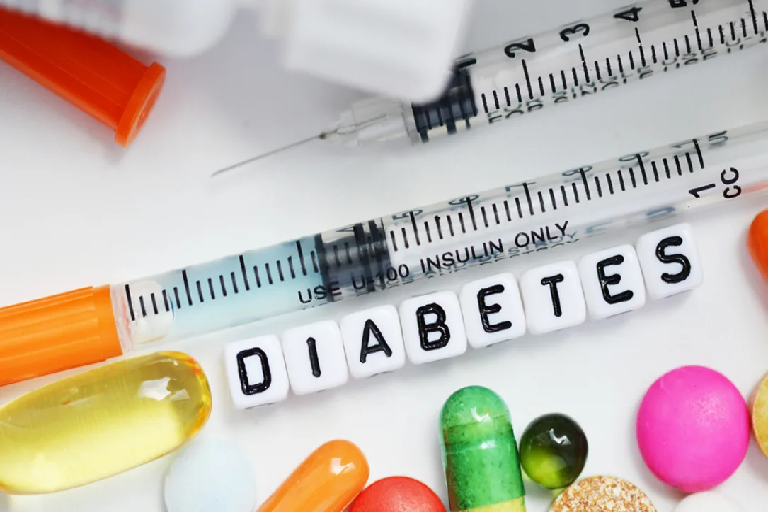
European Endocrinology and Diabetes Congress
2021-08-05 - 2021-08-06    
All Day
This conference is an extraordinary and leading event ardent to the science with practice of endocrinology research, which makes a perfect platform for global networking [...]
Big Data Analysis and Data Mining
2021-08-09 - 2021-08-10    
All Day
Data Mining, the extraction of hidden predictive information from large databases, is a powerful new technology with great potential to help companies focus on the [...]
Agriculture & Horticulture
2021-08-16 - 2021-08-17    
All Day
Agriculture Conference invites a common platform for Deans, Directors, Professors, Students, Research scholars and other participants including CEO, Consultant, Head of Management, Economist, Project Manager [...]
Wireless and Satellite Communication
2021-08-19 - 2021-08-20    
All Day
Conference Series llc Ltd. proudly invites contributors across the globe to its World Convention on 2nd International Conference on Wireless and Satellite Communication (Wireless Conference [...]
Frontiers in Alternative & Traditional Medicine
2021-08-23 - 2021-08-24    
All Day
World Health Organization announced that, “The influx of large numbers of people to mass gathering events may give rise to specific public health risks because [...]
Agroecology and Organic farming
2021-08-26 - 2021-08-27    
All Day
Current research on emerging technologies and strategies, integrated agriculture and sustainable agriculture, crop improvements, the most recent updates in plant and soil science, agriculture and [...]
Agriculture Sciences and Farming Technology
2021-08-26 - 2021-08-27    
All Day
Current research on emerging technologies and strategies, integrated agriculture and sustainable agriculture, crop improvements, the most recent updates in plant and soil science, agriculture and [...]
CIVIL ENGINEERING, ARCHITECTURE AND STRUCTURAL MATERIALS
2021-08-27 - 2021-08-28    
All Day
Engineering is applied to the profession in which information on the numerical/mathematical and natural sciences, picked up by study, understanding, and practice, are applied to [...]
Diabetes, Obesity and Its Complications
2021-09-02 - 2021-09-03    
All Day
Diabetes Congress 2021 aims to provide a platform to share knowledge, expertise along with unparalleled networking opportunities between a large number of medical and industrial [...]
Events on 2021-07-26
Food and Beverages
26 Jul 21
Events on 2021-08-05
Events on 2021-08-09
Events on 2021-08-16
Events on 2021-08-19
Events on 2021-08-23
Events on 2021-09-02
Articles News

AI can identify people at risk for suicide, according to a research.

EMR Industry

According to new research, artificial intelligence (AI) might assist clinicians identify patients who are at risk of suicide, potentially enhancing preventive efforts in everyday medical settings.

The study, published in the journal JAMA Network Open, contrasted two approaches: automatic pop-up alerts that interrupted the doctor’s workflow and a passive system that simply displayed risk information in the patient’s electronic chart.

The study discovered that interruptive alerts were considerably more effective, prompting doctors to do suicide risk assessments in response to 42% of screening signals, compared to only 4% with the passive method.

Colin Walsh, an associate professor of biomedical informatics, medicine, and psychiatry at Vanderbilt University Medical Center, observed that the majority of people who commit suicide had seen a health care provider in the year preceding their death, typically for reasons unrelated to mental health.

The team tested their AI system, known as the Vanderbilt Suicide Attempt and Ideation Likelihood model (VSAIL), to see if it could effectively urge doctors in three neurology clinics to screen patients for suicide risk during regular visits.

“Universal screening is not practical in all situations. “We created VSAIL to help identify high-risk patients and initiate focused screening conversations,” Walsh explained.

The VSAIL model uses normal information from electronic health records to estimate a patient’s 30-day probability of suicide attempt.

The researchers proposed that comparable technologies be tested in other medical contexts.

According to Walsh, health care institutions must weigh the benefits and drawbacks of interruptive notifications.

“The findings indicate that automated risk detection, when paired with thoughtfully designed alerts, has the potential to significantly improve suicide prevention efforts,” the study’s authors said.

According to studies, 77% of people who commit suicide make contact with primary care doctors in the year leading up to their death.


