


















Events Calendar

Mon
Tue
Wed
Thu
Fri
Sat
Sun
M
T
W
T
F
S
S
1
2
3
4
5
6
7
8
12:00 AM - DEVICE TALKS
9
11
12
13
14
16
18
19
20
21
22
23
24
26
27
28
29
30
31
1
2
3
4
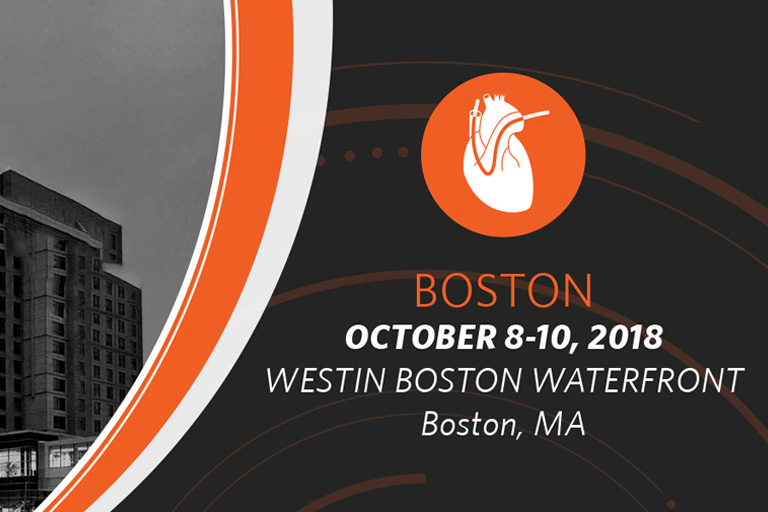
DEVICE TALKS
DEVICE TALKS BOSTON 2018: BIGGER AND BETTER THAN EVER! Join us Oct. 8-10 for the 7th annual DeviceTalks Boston, back in the city where it [...]
6th Annual HealthIMPACT Midwest
2018-10-10    
All Day
REV1 VENTURES COLUMBUS, OH The Provider-Patient Experience Summit - Disrupting Delivery without Disrupting Care HealthIMPACT Midwest is focused on technologies impacting clinician satisfaction and performance. [...]
15 Oct
2018-10-15 - 2018-10-16    
All Day
Conference Series Ltd invites all the participants from all over the world to attend “3rd International Conference on Environmental Health” during October 15-16, 2018 in Warsaw, Poland which includes prompt keynote [...]
17 Oct
2018-10-17 - 2018-10-19    
7:00 am - 6:00 pm
BALANCING TECHNOLOGY AND THE HUMAN ELEMENT In an era when digital technologies enable individuals to track health statistics such as daily activity and vital signs, [...]
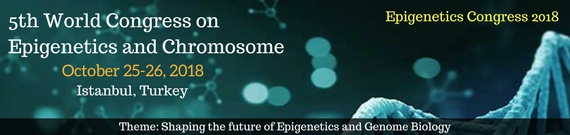
Epigenetics Congress 2018
2018-10-25 - 2018-10-26    
All Day
Conference: 5th World Congress on Epigenetics and Chromosome Date: October 25-26, 2018 Place: Istanbul, Turkey Email: epigeneticscongress@gmail.com About Conference: Epigenetics congress 2018 invites all the [...]
Events on 2018-10-08
DEVICE TALKS
8 Oct 18
425 Summer Street
Events on 2018-10-10
Events on 2018-10-17
17 Oct
Events on 2018-10-25
Epigenetics Congress 2018
25 Oct 18
Istanbul
Articles

AI’s involvement in next-generation diagnosis: anticipating and averting cardiac disease

A new age in cardiovascular care is being heralded by the implications of this new frontier for early prediction, prevention, and tailored treatment plans.

The investigation into the effects of AI on the diagnosis and prevention of heart disease is not just a story of technological achievement but also an example of cross-disciplinary cooperation. Experts in AI, data science, and cardiology are collaborating to fully realize the promise of deep learning networks and machine learning techniques. Massive datasets, including genetic data, electronic health records, lifestyle habits, and environmental factors, can be analyzed by these AI systems, which can reveal patterns and risk factors that are invisible to the human eye.

Predictive analytics represents one of the most innovative uses of AI in this field. Artificial intelligence (AI) programs can detect people who are at a high risk of heart disease years before the disease’s symptoms appear by sorting through layers of patient data. For example, researchers have created an algorithm that is more accurate than traditional risk assessment tools at predicting the chance of a heart attack or stroke. Because of this predictive ability, medical professionals can take proactive steps to stop heart disease before it starts, such changing a patient’s lifestyle or prescribing medication.


