














































Events Calendar

Mon
Tue
Wed
Thu
Fri
Sat
Sun
M
T
W
T
F
S
S
1
2
3
4
5
6
7
9
11
12
13
14
16
17
19
20
21
27
28
1
2
3
4
5
6
7
Psychiatry and Psychological Disorders
2021-02-08 - 2021-02-09    
All Day
Mental health Summit 2021 is a meeting of Psychiatrist for emerging their perspective against mental health challenges and psychological disorders in upcoming future. Psychiatry is [...]
Nanotechnology and Materials Engineering
2021-02-10 - 2021-02-11    
All Day
Nanotechnology and Materials Engineering are forthcoming use in healthcare, electronics, cosmetics, and other areas. Nanomaterials are the elements with the finest measurement of size 10-9 [...]
Dementia, Alzheimers and Neurological Disorders
2021-02-10 - 2021-02-11    
All Day
Euro Dementia 2021 is a distinctive forum to assemble worldwide distinguished academics within the field of professionals, Psychology, academic scientists, professors to exchange their ideas [...]
Neurology and Neurosurgery 2021
2021-02-10 - 2021-02-11    
All Day
European Neurosurgery 2021 anticipates participants from all around the globe to experience thought provoking Keynote lectures, oral, video & poster presentations. This Neurology meeting will [...]
Biofuels and Bioenergy 2021
2021-02-15 - 2021-02-16    
All Day
Biofuels and Bioenergy biofuel is a fuel that is produced through contemporary biological processes, such as agriculture and anaerobic digestion, rather than a fuel produced [...]
Tropical Medicine and Infectious Diseases
2021-02-15 - 2021-02-16    
All Day
Tropical Disease Webinar committee members invite all the participants across the globe to take part in this conference covering the theme “Global Impact on infectious [...]
Infectious Diseases 2021
2021-02-15 - 2021-02-16    
All Day
Infection Congress 2021 is intended to honor prestigious award for talented Young Researchers, Scientists, Young Investigators, Post-Graduate Students, Post-Doctoral Fellows, Trainees in recognition of their [...]
Gastroenterology and Liver Diseases
2021-02-18 - 2021-02-19    
All Day
Gastroenterology and Liver Diseases Conference 2021 provides a chance for all the stakeholders to collect all the Researchers, principal investigators, experts and researchers working under [...]
World Kidney Congress 2021
2021-02-18    
All Day
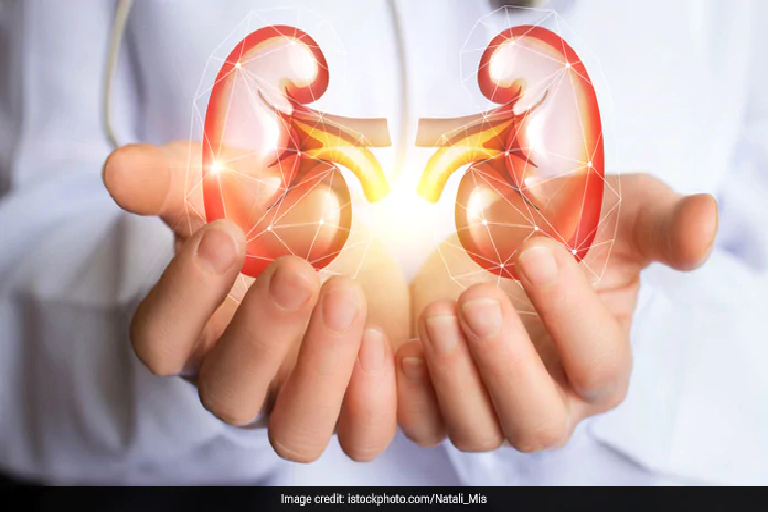
Kidney Meet 2021 will be the best platform for exchanging new ideas and research. It’s a virtual event that will grab the attendee’s attention to [...]
Agriculture & Organic farming
2021-02-22 - 2021-02-23    
All Day
                                                  [...]
Aquaculture & Fisheries
2021-02-22 - 2021-02-23    
All Day
We take the pleasure to invite all the Scientist, researchers, students and delegates to Participate in the Webinar on 13th World Congress on Aquaculture & [...]
Nanoscience and Nanotechnology 2021
2021-02-22 - 2021-02-23    
All Day
Conference Series warmly invites all the participants across the globe to attend "5th Annual Meet on Nanoscience and Nanotechnology” dated on February 22-23, 2021 , [...]
Neurology, Psychiatric disorders and Mental health
2021-02-23 - 2021-02-24    
12:00 am
Neurology, Psychiatric disorders and Mental health Summit is an idiosyncratic discussion to bring the advanced approaches and also unite recognized scholastics, concerned with neurology, neuroscience, [...]
Food and Nutrition 2021
2021-02-24    
All Day
Nutri Food 2021 reunites the old and new faces in food research to scale-up many dedicated brains in research and the utilization of the works [...]
Psychiatry and Psychological Disorders
2021-02-24 - 2021-02-25    
All Day
Mental health Summit 2021 is a meeting of Psychiatrist for emerging their perspective against mental health challenges and psychological disorders in upcoming future. Psychiatry is [...]
International Conference on  Biochemistry and Glyco Science
2021-02-25 - 2021-02-26    
All Day
Our point is to urge researchers to spread their test and hypothetical outcomes in any case a lot of detail as could be ordinary. There [...]
Biomedical, Biopharma and Clinical Research
2021-02-25 - 2021-02-26    
All Day
Biomedical research 2021 provides a platform to enhance your knowledge and forecast future developments in biomedical, bio pharma and clinical research and strives to provide [...]
Parasitology & Infectious Diseases 2021
2021-02-25    
All Day
INFECTIOUS DISEASES CONGRESS 2021 on behalf of its Organizing Committee, assemble all the renowned Pathologists, Immunologists, Researchers, Cellular and Molecular Biologists, Immune therapists, Academicians, Biotechnologists, [...]
Tissue Science and Regenerative Medicine
2021-02-26 - 2021-02-27    
All Day
Tissue Science 2021 proudly invites contributors across the globe to attend “International Conference on Tissue Science and Regenerative Medicine” during February 26-27, 2021 (Webinar) which [...]
Infectious Diseases, Microbiology & Beneficial Microbes
2021-02-26 - 2021-02-27    
All Day
Infectious diseases are ultimately caused by microscopic organisms like bacteria, viruses, fungi or parasites where Microbiology is the investigation of these minute life forms. A [...]
Stress Management 2021
2021-02-26    
All Day
Stress Management Meet 2021 will be a great platform for exchanging new ideas and research. It’s an online event which will grab the attendee’s attention [...]
Heart Care and Diseases 2021
2021-03-03    
All Day
Euro Heart Conference 2020 will join world-class professors, scientists, researchers, students, Perfusionists, cardiologists to discuss methodology for ailment remediation for heart diseases, Electrocardiography, Heart Failure, [...]
Gastroenterology and Digestive Disorders
2021-03-04 - 2021-03-05    
All Day
Gastroenterology Diseases is clearing a worldwide stage by drawing in 2500+ Gastroenterologists, Hepatologists, Surgeons going from Researchers, Academicians and Business experts, who are working in [...]
Environmental Toxicology and Ecological Risk Assessment
2021-03-04 - 2021-03-05    
All Day
Environmental Toxicology 2021 you can meet the world leading toxicologists, biochemists, pharmacologists, and also the industry giants who will provide you with the modern inventions [...]
Dermatology, Cosmetology and Plastic Surgery
2021-03-05 - 2021-03-06    
All Day
Market Analysis Speaking Opportunities Speaking Opportunities: We are constantly intrigued by hearing from professionals/practitioners who want to share their direct encounters and contextual investigations with [...]
Events on 2021-02-08
Events on 2021-02-18
Events on 2021-02-24
Events on 2021-03-03
Events on 2021-03-05
Articles

Are We Working to Improve Healthcare or Health?

improve healthcare

By Irv Lichtenwald, president and CEO of  Medsphere Systems Corporation, the solution provider for the CareVue electronic health record.

I’m not sure what the relevant analogy might be, but I’ll take a shot, nonetheless.

Let’s say we poured billions of dollars into improving highways and city streets, but the local commute for residents continued to get longer, more frustrating, less effective.

Or, maybe we also dumped billions into school systems, but student test scores only got worse.

I ask if these comparisons are relevant after reading about a recent study published in the Lancet, which suggests that poor diet and lack of exercise kill more people globally every year than even smoking, the go-to bogeyman for all negative health indicators. For all the truckloads of cash we continue to push toward improving medical technology and technique, building different organizational structures and making Crocs mandatory healthcare footwear, the biggest bang for the buck remains diet and exercise.

How unsexy is that?

What the evolution of transportation, education and healthcare in the United States all demonstrate is that more money does not equal better overall outcomes. It’s not like this is a recent revelation.

“The United States spends more on health care than any other nation in the world, yet it ranks poorly on nearly every measure of health status. How can this be? What explains this apparent paradox?,” asked Steven A. Schroader, MD, in a 2007 New England Journal of Medicine article. “The two-part answer is deceptively simple — first, the pathways to better health do not generally depend on better health care, and second, even in those instances in which health care is important, too many Americans do not receive it, receive it too late, or receive poor-quality care.”

Schroader is telling us that we’ve equated better healthcare with better health when we should be looking at better choices/options and access to necessary care as the essential keys to a healthier population.

What would that look like in practice? More focus on population health and universal health insurance and less on perfecting physicians using carrots and sticks.

Instead we have a healthcare system that asks physicians to click hundreds of boxes with little evidence that the constant clicking creates better outcomes. Indeed, one could argue that our current goal of improving the provision of care is misplaced, making the strategy (clicks) used to get there irrelevant.

“For starters, we know that 70 percent to 90 percent of health outcomes are determined by socioeconomic and lifestyle factors,” writes W. Ryan Neuhofel, DO, MHP. “Appropriate health care, particularly primary care, can tilt the odds toward better outcomes through medical intervention, lifestyle guidance, and advocacy. Primary care can improve individual lives and help budgets by reducing the likelihood of more expensive downstream care.”

This is not to say that healthcare shouldn’t be working to improve by eliminating errors and making it easier to identify the most appropriate patient treatment. But the greatest improvement for the greatest number of patients/citizens is in thousands of daily choices that don’t directly involve a doctor.

Looking again at the study in the Lancet, researchers found that citizens of countries that follow a Mediterranean diet—whole grains, fruits and vegetables, heart-healthy fats and small amounts of lean protein—are the healthiest. Israel came in first, followed by France (no, they don’t eat triple-cream brie, baguette and Bordeaux at every meal) and Spain. The U.S. ranked number 43.

According to study estimates, we can attribute 3 million global deaths annually to too much salt, another 3 million to too few whole grains, and still 2 million more to not enough fruit.

Perhaps, America is just too much about the specific. We’re working to develop personalized medicine. We dream of individual genetic profiles and miraculous stem cell therapies. We’re trying to develop healthcare IT systems that are customizable to the particular needs of the clinician.

Again, these efforts are not inherently bad, but neither are they the keys to improving health for wide swaths of the public any more than is a strict blueberry diet.

“I love blueberries, wild and cultivated, but they are a fruit like any other,” writes professor and author Marion Nestle. “Their antioxidants may counteract the damaging actions of oxidizing agents (free radicals) in the body, but studies of how well antioxidants protect against disease yield results that are annoyingly inconsistent. When tested, antioxidant supplements have not been shown to reduce disease risk and sometimes have been shown to cause harm.”

Like blueberries and the human body, healthcare IT systems are not a cure for all that ails the body medical. We’ll eventually develop EHRs that doctors like to use, but if they don’t somehow create unforeseen behavioral changes en masse, the health of the general American populace will remain stubbornly in the 40s on a global scale.

Where linked computer systems really excel, however, is in the collection of large amounts of data and identification of trends. Sure, an EHR may remind Dr. Smith that Mrs. Jones is allergic to penicillin, and that will be great for Mrs. Jones and for Dr. Smith but will do little for overall health and mortality rates.

So, healthcare IT platforms have to remind Dr. Smith of crucial information about Mrs. Jones AND collect information to be used for information campaigns, vaccination efforts and resource allocation decisions. They need to alert an ER doc to this particular patient’s opiate addiction AND public health officials of a spike in measles cases. Integrated IT systems can also provide data on social determinants of health like income and family situation, which reliably predict illness across communities.

These systems need to contribute to making both healthcare and health better, but they’re virtually powerless absent good policy, effective implementation and comprehensive education.

Improvements in health and reductions in healthcare costs will come from several different inputs, including sound public health policy, preventive care, comprehensive insurance coverage, better personal choice and integrated healthcare IT.

In absence of these complementary factors, we’re left to hope that those blueberries really are a miracle cure.


