





























































Events Calendar

Mon
Tue
Wed
Thu
Fri
Sat
Sun
M
T
W
T
F
S
S
1
2
6
7
9
10
11
12
13
14
18
19
20
21
23
27
28
30
12:00 AM - Hepatology 2021
31
1
2
3
4
Heart Care and Diseases 2021
2021-03-03    
All Day
Euro Heart Conference 2020 will join world-class professors, scientists, researchers, students, Perfusionists, cardiologists to discuss methodology for ailment remediation for heart diseases, Electrocardiography, Heart Failure, [...]
Gastroenterology and Digestive Disorders
2021-03-04 - 2021-03-05    
All Day
Gastroenterology Diseases is clearing a worldwide stage by drawing in 2500+ Gastroenterologists, Hepatologists, Surgeons going from Researchers, Academicians and Business experts, who are working in [...]
Environmental Toxicology and Ecological Risk Assessment
2021-03-04 - 2021-03-05    
All Day
Environmental Toxicology 2021 you can meet the world leading toxicologists, biochemists, pharmacologists, and also the industry giants who will provide you with the modern inventions [...]
Dermatology, Cosmetology and Plastic Surgery
2021-03-05 - 2021-03-06    
All Day
Market Analysis Speaking Opportunities Speaking Opportunities: We are constantly intrigued by hearing from professionals/practitioners who want to share their direct encounters and contextual investigations with [...]
World Dental Science and Oral Health Congress
2021-03-08 - 2021-03-09    
All Day
About The Webinar Conference Series LLC Ltd invites you to attend the 42nd World Dental Science and Oral Health Congress to be held in March 08-09, 2021 with the [...]
Euro Metabolomics & Systems Biology
2021-03-08 - 2021-03-09    
All Day
Euro Metabolomics 2021 will be a platform to investigate recent research and advancements that can be useful to the researchers. Metabolomics is a rapidly emerging [...]
International Summit on Industrial Engineering
2021-03-15 - 2021-03-16    
All Day
Industrial Engineering conference invites all the participants to attend International summit on Industrial Engineering during March15-16, 2021 Webinar. This has prompt keynotes, Oral talks, Poster [...]
Digital Health 2021
2021-03-15 - 2021-03-16    
All Day
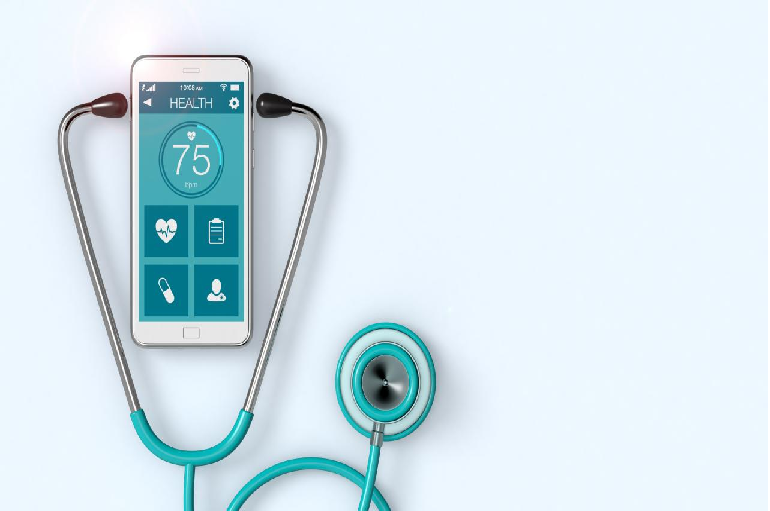
The use of modern technologies and digital services is not only changing the way we communicate, they also offer us innovative ways for monitoring our [...]
Genetics and Molecular biology 2021
2021-03-15    
All Day
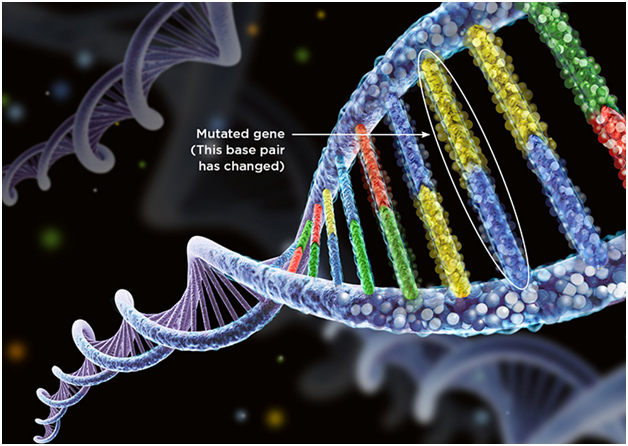
Human genetics is study of the inheritance of characteristics by children from parents. Inheritance in humans does not differ in any fundamental way from that [...]
Food Science and Food Safety
2021-03-16 - 2021-03-17    
All Day
Food Safety. It also provides the premier multidisciplinary forum for researchers, professors and educators to present and discuss the most recent innovations, trends, and concerns, [...]
Traditional and Alternative Medicine
2021-03-16 - 2021-03-17    
All Day
Traditional Medicine 2021 welcomes attendees, presenters, and exhibitors from all over the world. We are glad to invite you all to attend and register for [...]
Carbon and Advanced Energy Materials
2021-03-16 - 2021-03-17    
All Day
Materials Science 2021 was an enchanted achievement. We give incredible credits to the Organizing Committee and participants of Materials Science 2021 Conference. Numerous tributes from [...]
Advancements in Tuberculosis and Lung Diseases
2021-03-17 - 2021-03-18    
All Day
Tuberculosis is a communicable disease, caused by the infectious bacterium Mycobacterium tuberculosis. It affects the lungs and other parts of the body (brain, spine). People [...]
Herbal Medicine and Acupuncture 2021
2021-03-22 - 2021-03-23    
All Day
The event offers a best platform with its well organized scientific program to the audience which includes interactive panel discussions, keynote lectures, plenary talks and [...]
Hospital Management and Health Care
2021-03-22 - 2021-03-23    
All Day
Healthcare system refers to the totality of resource that a society distributes with in organization and health facilities delivery for the aim of upholding or [...]
Hematology and Infectious Diseases
2021-03-22 - 2021-03-23    
All Day
Hematology is the discipline concerned with the production, functions, bone marrow, and diseases which are related to blood, blood proteins. The main aim of this [...]
Aquaculture & Marine Biology
2021-03-24 - 2021-03-25    
All Day
The 15th International Conference on Aquaculture & Marine Biology is delighted to welcome the participants from everywhere the planet to attend the distinguished conference scheduled [...]
Artificial Intelligence & Robotics 2021
2021-03-24 - 2021-03-25    
All Day
The Conference Series LLC Ltd organizes conferences around the world on all computer science subjects including Robotics and its related fields. Here we are happy [...]
Tissue Engineering & Regenerative Medicine
2021-03-24 - 2021-03-25    
All Day
Tissue Engineering & Regenerative Medicine mainly focuses on Stem Cell Research and Tissue Engineering. Stem cell Research includes stem cell treatment for various disease and [...]
Nursing Research and Evidence Based Practice
2021-03-25 - 2021-03-26    
12:00 am
Global Nursing Practice 2021 has been circumspectly organized with various multi and interdisciplinary tracks to accomplish the middle objective of the gathering that is to [...]
Earth & Environmental Science 2021
2021-03-26 - 2021-03-27    
All Day
Earth Science 2021 is the integration of new technologies in the field of environmental science to help Environmental Professionals harness the full potential of their [...]
Earth & Environmental Science 2021
2021-03-26 - 2021-03-27    
All Day
Earth Science 2021 is the integration of new technologies in the field of environmental science to help Environmental Professionals harness the full potential of their [...]
Nanomaterials and Nanotechnology
2021-03-26 - 2021-03-27    
All Day
Nanomaterials are the elements which have at least one spatial measurement in the size range of 1 to 100 nanometre. Nanomaterials can be produced with [...]
Smart Materials and Nanotechnology
2021-03-29 - 2021-03-30    
All Day
Smart Material 2021 clears a stage to globalize the examination by introducing an exchange amongst ventures and scholarly associations and information exchange from research to [...]
World Nanotechnology Congress 2021
2021-03-29    
All Day
Nano Technology Congress 2021 provides you with a unique opportunity to meet up with peers from both academic circle and industries level belonging to Recent [...]
Nanomedicine and Nanomaterials 2021
2021-03-29    
All Day
NanoMed 2021 conference provides the best platform of networking and connectivity with scientist, YRF (Young Research Forum) & delegates who are active in the field [...]
Hepatology 2021
2021-03-30 - 2021-03-31    
All Day
Hepatology 2021 provides a great platform by gathering eminent professors, Researchers, Students and delegates to exchange new ideas. The conference will cover a wide range [...]
Events on 2021-03-03
Events on 2021-03-05
Events on 2021-03-17
Events on 2021-03-25
Events on 2021-03-30
Hepatology 2021
30 Mar 21
Articles

As health IT matures, security approaches must mature with it

As health IT matures, security approaches must mature with it

Not that long ago, healthcare worried mostly about the physical loss of personal health information (PHI) by way of a lost thumb drive, a stolen laptop, some misplaced paper files. These were the primary concerns in HIMSS initial security survey, published in 2008. It wasn’t until five years later, in 2013, that the largest healthcare security breaches came from cyberattacks instead of lost or stolen devices.

So, is it encouraging to see how far the rapid pace of change has carried health IT in just a few years? Well, yes and no. Growth is good, but it always presents a new set of challenges.

To be sure, healthcare has joined the rest of the wired world as a frequent target of technically skilled ne’er-do-wells. In 2014, cyber breaches in the form of systems hacking, credit card skimming and phishing (obtaining sensitive personal data by pretending to be someone trustworthy) totaled 29 percent of all security breaches. In 2015, that number rose to 38 percent.

Expect the trend to continue.

And expect it to get more complicated based on what’s happening in other industries. You may, for example, remember an interesting experiment last summer in which hackers demonstrated the susceptibility of a car’s onboard computer system by taking control of a Jeep going 70 miles per hour on a freeway outside St. Louis.

“Immediately my accelerator stopped working,” writes Andy Greenberg in a Wired magazine article on the car sabotage. “As I frantically pressed the pedal and watched the RPMs climb, the Jeep lost half its speed, then slowed to a crawl. This occurred just as I reached a long overpass, with no shoulder to offer an escape. The experiment had ceased to be fun.”

The hurtling SUV hijinks are just one example of the Internet of Things (IoT), the global network of tangible objects (a Jeep, for example) with embedded sensors, software and hackable Internet connections. Where cyber masterminds used to have to access a car’s diagnostic port to tap the computer, now they can do so wirelessly.

Of course, the commonality of sensors and software make most devices potentially hackable. So, what might hackers do if they can gain remote control of healthcare devices? The prospects are a bit chilling. Imagine where that Jeep might have gone with black-hat hackers at the keyboard.

“We may soon be looking at insertables—implants, pacemakers, insulin pumps—becoming targets of cyber-terrorists,” says Ponemon Institute Chairman and Founder Dr. Larry Ponemon in a Healthcare IT Newsarticle. “And this is not science fiction. It’s already been demonstrated.”

Nightmarish movie scenarios are unlikely, but hackers are already able to install ransomware on computers that holds data hostage until the owner pays a ransom to recapture control.

“It’s a bit like thieves sneaking into your home, and rather than carting away the TV, stuffing your jewelry and electronics into an impenetrable trunk,” explains Kaveh Waddell in The Atlantic. “Then they try to sell you the key.”

As Waddell reports, one hacker made $1 million in a single day off desperate computer users, and the FBI says some viruses are so good the easiest path is to just pay the ransom—usually in the $300 to $750 range.

“There is cause for concern,” according to a report by the Health Research Institute at PriceWaterhouseCoopers (PwC). “2015 saw the first-ever government warning that a medical device was vulnerable to hacking—an infusion pump officials warned could be modified to deliver a fatal dose of medication.”

Of course, hacks, ransomware, phishing scams and the like are not just happening in healthcare. Analystsestimate banking lost roughly $1 billion to cybercrime between late 2013 and early last year. Last summer, JP Morgan reported that hackers had accessed a database with information for 76 million households and 7 million small businesses.

As one might expect, these incidents are only a drop in the bucket. As a former executive with a financial portfolio management software firm, I know the assault on financial institutions is relentless, despite constant and detailed efforts to improve security. After all, as Willie Sutton reportedly said when asked why he robbed banks, “Because that’s where the money is.”

But what if hackers, en masse or gradually, were to figure out that hospitals were actually pretty lucrative and easier pickings? There’s not much reason to think that hasn’t happened already. Consider the Anthem breach last year and PwC analysis showing that 85 percent of large healthcare organizations experienced a breach in 2014 with 18 percent costing more than $1 million to fix.

Sutton’s logic applies to healthcare organizations, too. Hackers will go after the big ones because that’s where the money is, but there’s no reason to think it will end there. If a small hospital can be held hostage for $300 in ransom, why should we think they won’t be? After all, the urgency associated with unlocking an infusion pump will be greater than regaining access to vacation photos. More urgency equals more rapid payment, and more frequent hostage taking if security doesn’t improve.

While healthcare has not been a major hacking target for that long, the security recommendations and requirements that anticipated these scenarios have been around for a while in the form of regularly updated HIPAA regulations. These regulations require hospitals to establish a security framework – basic procedures like access control and user education. Unfortunately, they provide little in the way of specific strategies and tactics like regular penetration testing, clear reporting procedures, or how to perform periodic testing and training. Hospitals and health systems must make their own decisions to ensure that their overall environment is secure.

I have no doubt all healthcare enterprises believe they are doing their best to protect PHI and patient financial information. But there are still disconnects. Even the most security-aware technical staff is limited by budget restraints. Even the most focused administrator has a lot of moving parts to manage and fund. And HIPAA requirements leave some security preparation wiggle room based on the size and resources of the facility.

Ultimately, the security decision calculus must be driven by risk—by what a hospital or health system is vulnerable to—not what it can marshal the resources to defend against. And understanding risk has little reward if you don’t invest the time and money to mitigate it.  In our connected world, we pay for security or we pay for lack of security. There can be little doubt that the former is more affordable—to say nothing of predictable—in the long run.


