



















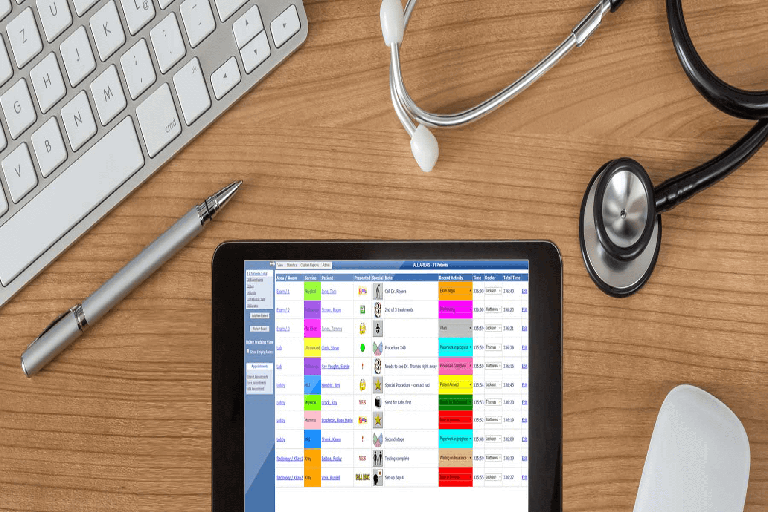









The incentives provided by the U.S. Centers for Medicare and Medicaid Services allow health care providers to earn money after implementing electronic health record systems into their workflow. In order to qualify for the incentives, a hospital or clinic must attest to stage 2 of meaningful use. According to the CMS, eligible providers must complete a set of core and menu structure objectives in order to demonstrate meaningful use, and one of those objectives calls for the exchange of at least 5 percent of their patients’ health information with other EHR systems. However, IT vendors and health care industry representatives told the Health IT Standards Committee’s implementation workgroup that EHR systems certified for use in stage 2 are often incapable of completing that task, according to the Bloomberg Bureau of National Affairs.
The problem
The technology vendors said that EHR templates – known as consolidated clinical document architecture – can sometimes contain errors and variations in coding that cannot be easily exchanged by health care providers or hospitals. One representative in particular told the HISC group that only a fraction of her company’s clients have exchanged data with another organization successfully, according to Bloomberg BNA. The C-CDAs with coding errors cause health providers’ staff to resort to manually inputting patient data rather than having the EHR systems process the information automatically. Government Health IT reported that vendors are quickly responding to provider needs, and this leaves room for flaws in design, features, functionality and the user interface. The industry right now is creating a rush to increase the market share of EHR vendors.
Possible solutions
Cris Ross, chairman of the HISC implementation workgroup, told Bloomberg BNA that there are considerations to prescribe stricter rules for EHR vendors in regard to meaningful use certification in order to reduce the variations of C-CDA coding. The new guidelines and restrictions should force more tests for EHR systems before selling them to health care providers because physicians and hospitals should not be refused stage 2 meaningful use incentives due to vendor mistakes.
If the CMS called for a demonstration of the product’s ability to read and exchange C-CDA documents, then more health care providers could attest to stage 2. Matt Reid of the American Medical Association told Bloomberg BNA that the most significant barrier to exchanges is that C-CDAs are open templates, which allow for vendors to make adjustments by adding sections or changing the layout. He stated that the Office of the National Coordinator for Health Information Technology should publish new implementation guides and constrain this C-CDA optionality.


