























Brain-Healthy Foods That Will Help Protect Your Memory and Cognition
What you choose to fuel your body with affects more than the number on the scale and how your jeans fit. Everything from your bone density to your memory can be supported by what you put on your plate. Specifically when it comes to brain health, the foods you eat have a major impact, says Dale E. Bredesen, M.D., a neurologist and author of The End of Alzheimer’s Program.
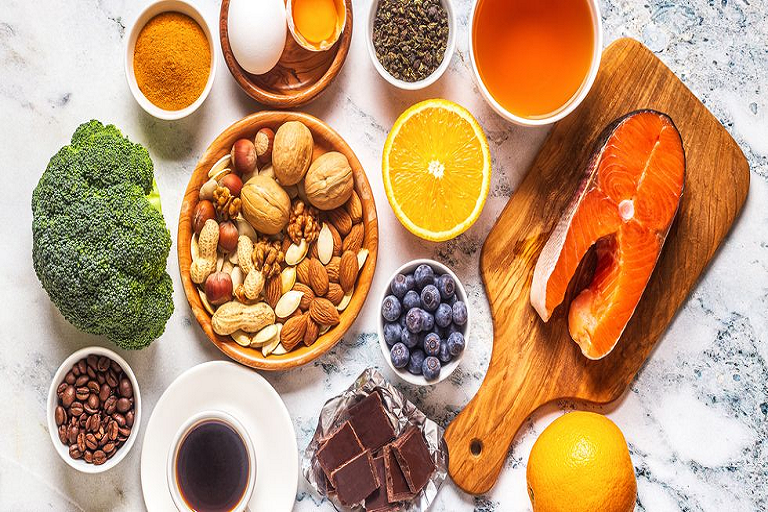
Two diets in particular are backed by science for boosting brain health and reducing your risk of dementia: the Mediterranean Diet and the DASH diet. The Mediterranean Diet focuses on eating plenty of fruits, vegetables, seafood, olive oil, nuts, seeds, beans, legumes, and whole grains, while limiting red meats, processed foods, refined grains and oils, and high-sugar foods. Poultry, eggs, dairy, and red wine can be enjoyed in moderation. Research has found the diet has a slew of health benefits, like improving heart health, aiding in weight management, and supporting brain function.
In comparison, the DASH diet (which stands for Dietary Approaches to Stop Hypertension) is similar to the Mediterranean diet, but includes slightly different serving suggestions, like capping sodium intake at 1,500 milligrams and allowing for more lean meats. The DASH diet boasts the same benefits as the Mediterranean diet, and was specifically developed to help lower blood pressure without medication.
But one diet has combined the best parts of each, particularly when it comes brain health: the MIND Diet, which is short for Mediterranean-DASH Intervention for Neurodegenerative Delay. One 2015 study published in the journal Alzheimer’s & Dementia found that the MIND diet can turn back the time on your cognitive age by seven and a half years. The study followed 900 men and women ages 58 to 98 for an average of four and a half years, assessing their diets with detailed food questionnaires and testing their cognitive function annually. Researchers found when participants followed the MIND diet very closely, while limiting less-nutritious foods like red meat, processed sweets, and fried foods, they reduced Alzheimer’s and dementia risk by 53%, and by 35% in those who followed the diet reasonably well.
To keep your brain in tip-top shape, Dr. Bredesen recommends limiting your intake of processed foods, red meat, and added sugar while loading up on the nutrient-rich, MIND diet-approved foods below.
Green leafy vegetables
Dr. Bredesen recommends reaching for foods high in folate, such as leafy greens, broccoli, and Brussels sprouts, because they help reduce homocysteine levels, an amino acid that has been linked to brain atrophy and an increased risk of Alzheimer’s disease.
Coffee or Tea
“Coffee and green tea both contain caffeine, which has been shown to improve cognitive function by helping to solidify memories,” says Nicole M. Avena, Ph.D., assistant professor of neuroscience at Mount Sinai School of Medicine. “Tea and coffee can also help with short-term memory boosts.” Just avoid adding lots of sugar to your brew.
Poultry
Poultry, like chicken or turkey, pack in lean protein, choline, and iron, all of which support cognitive function, research shows. The American Hearst Association suggests opting for lean meat low in saturated fats, like poultry, over red or processed meats to keep your cholesterol at a heart-healthy level.
Citrus
“Citrus and citrus juice is full of flavanone (plant-based compounds with antioxidant properties), which research shows can improve blood flow to the brain, which in turn improves cognitive function,” says Avena. In fact, one study found that elderly people who eat citrus almost every day are 23% less likely to develop dementia.
Eggs
“Eggs are high in choline, an essential nutrient that has been shown to reduce inflammation and bolster brain function by enabling optimum communication between brain cells,” says Avena. Just be sure to eat the yolks!


