






















































Events Calendar

Mon
Tue
Wed
Thu
Fri
Sat
Sun
M
T
W
T
F
S
S
1
2
6
7
9
10
11
12
13
14
18
19
20
21
23
27
28
30
12:00 AM - Hepatology 2021
31
1
2
3
4
Heart Care and Diseases 2021
2021-03-03    
All Day
Euro Heart Conference 2020 will join world-class professors, scientists, researchers, students, Perfusionists, cardiologists to discuss methodology for ailment remediation for heart diseases, Electrocardiography, Heart Failure, [...]
Gastroenterology and Digestive Disorders
2021-03-04 - 2021-03-05    
All Day
Gastroenterology Diseases is clearing a worldwide stage by drawing in 2500+ Gastroenterologists, Hepatologists, Surgeons going from Researchers, Academicians and Business experts, who are working in [...]
Environmental Toxicology and Ecological Risk Assessment
2021-03-04 - 2021-03-05    
All Day
Environmental Toxicology 2021 you can meet the world leading toxicologists, biochemists, pharmacologists, and also the industry giants who will provide you with the modern inventions [...]
Dermatology, Cosmetology and Plastic Surgery
2021-03-05 - 2021-03-06    
All Day
Market Analysis Speaking Opportunities Speaking Opportunities: We are constantly intrigued by hearing from professionals/practitioners who want to share their direct encounters and contextual investigations with [...]
World Dental Science and Oral Health Congress
2021-03-08 - 2021-03-09    
All Day
About The Webinar Conference Series LLC Ltd invites you to attend the 42nd World Dental Science and Oral Health Congress to be held in March 08-09, 2021 with the [...]
Euro Metabolomics & Systems Biology
2021-03-08 - 2021-03-09    
All Day
Euro Metabolomics 2021 will be a platform to investigate recent research and advancements that can be useful to the researchers. Metabolomics is a rapidly emerging [...]
International Summit on Industrial Engineering
2021-03-15 - 2021-03-16    
All Day
Industrial Engineering conference invites all the participants to attend International summit on Industrial Engineering during March15-16, 2021 Webinar. This has prompt keynotes, Oral talks, Poster [...]
Digital Health 2021
2021-03-15 - 2021-03-16    
All Day
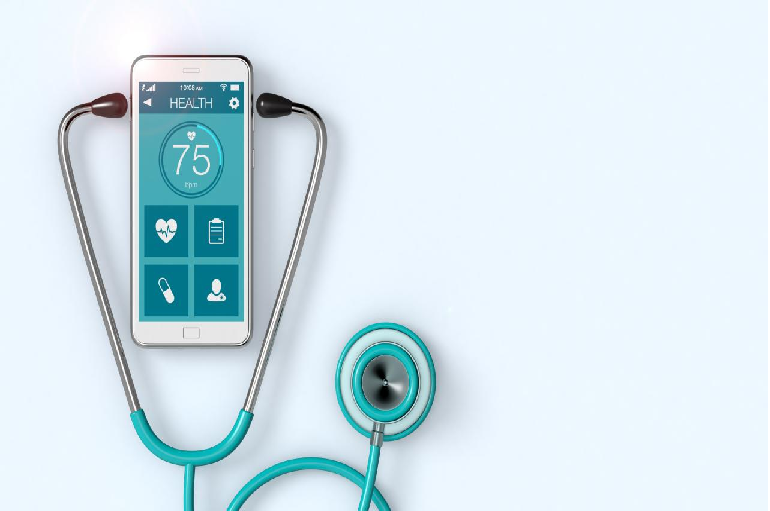
The use of modern technologies and digital services is not only changing the way we communicate, they also offer us innovative ways for monitoring our [...]
Genetics and Molecular biology 2021
2021-03-15    
All Day
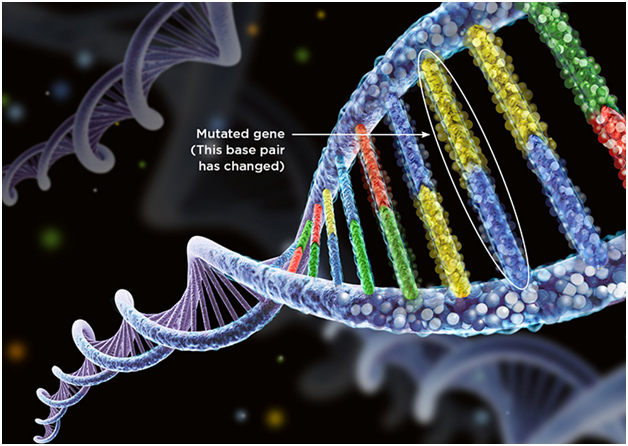
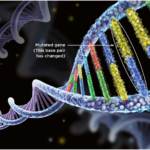
Human genetics is study of the inheritance of characteristics by children from parents. Inheritance in humans does not differ in any fundamental way from that [...]
Food Science and Food Safety
2021-03-16 - 2021-03-17    
All Day
Food Safety. It also provides the premier multidisciplinary forum for researchers, professors and educators to present and discuss the most recent innovations, trends, and concerns, [...]
Traditional and Alternative Medicine
2021-03-16 - 2021-03-17    
All Day
Traditional Medicine 2021 welcomes attendees, presenters, and exhibitors from all over the world. We are glad to invite you all to attend and register for [...]
Carbon and Advanced Energy Materials
2021-03-16 - 2021-03-17    
All Day
Materials Science 2021 was an enchanted achievement. We give incredible credits to the Organizing Committee and participants of Materials Science 2021 Conference. Numerous tributes from [...]
Advancements in Tuberculosis and Lung Diseases
2021-03-17 - 2021-03-18    
All Day
Tuberculosis is a communicable disease, caused by the infectious bacterium Mycobacterium tuberculosis. It affects the lungs and other parts of the body (brain, spine). People [...]
Herbal Medicine and Acupuncture 2021
2021-03-22 - 2021-03-23    
All Day
The event offers a best platform with its well organized scientific program to the audience which includes interactive panel discussions, keynote lectures, plenary talks and [...]
Hospital Management and Health Care
2021-03-22 - 2021-03-23    
All Day
Healthcare system refers to the totality of resource that a society distributes with in organization and health facilities delivery for the aim of upholding or [...]
Hematology and Infectious Diseases
2021-03-22 - 2021-03-23    
All Day
Hematology is the discipline concerned with the production, functions, bone marrow, and diseases which are related to blood, blood proteins. The main aim of this [...]
Aquaculture & Marine Biology
2021-03-24 - 2021-03-25    
All Day
The 15th International Conference on Aquaculture & Marine Biology is delighted to welcome the participants from everywhere the planet to attend the distinguished conference scheduled [...]
Artificial Intelligence & Robotics 2021
2021-03-24 - 2021-03-25    
All Day
The Conference Series LLC Ltd organizes conferences around the world on all computer science subjects including Robotics and its related fields. Here we are happy [...]
Tissue Engineering & Regenerative Medicine
2021-03-24 - 2021-03-25    
All Day
Tissue Engineering & Regenerative Medicine mainly focuses on Stem Cell Research and Tissue Engineering. Stem cell Research includes stem cell treatment for various disease and [...]
Nursing Research and Evidence Based Practice
2021-03-25 - 2021-03-26    
12:00 am
Global Nursing Practice 2021 has been circumspectly organized with various multi and interdisciplinary tracks to accomplish the middle objective of the gathering that is to [...]
Earth & Environmental Science 2021
2021-03-26 - 2021-03-27    
All Day
Earth Science 2021 is the integration of new technologies in the field of environmental science to help Environmental Professionals harness the full potential of their [...]
Earth & Environmental Science 2021
2021-03-26 - 2021-03-27    
All Day
Earth Science 2021 is the integration of new technologies in the field of environmental science to help Environmental Professionals harness the full potential of their [...]
Nanomaterials and Nanotechnology
2021-03-26 - 2021-03-27    
All Day
Nanomaterials are the elements which have at least one spatial measurement in the size range of 1 to 100 nanometre. Nanomaterials can be produced with [...]
Smart Materials and Nanotechnology
2021-03-29 - 2021-03-30    
All Day
Smart Material 2021 clears a stage to globalize the examination by introducing an exchange amongst ventures and scholarly associations and information exchange from research to [...]
World Nanotechnology Congress 2021
2021-03-29    
All Day
Nano Technology Congress 2021 provides you with a unique opportunity to meet up with peers from both academic circle and industries level belonging to Recent [...]
Nanomedicine and Nanomaterials 2021
2021-03-29    
All Day
NanoMed 2021 conference provides the best platform of networking and connectivity with scientist, YRF (Young Research Forum) & delegates who are active in the field [...]
Hepatology 2021
2021-03-30 - 2021-03-31    
All Day
Hepatology 2021 provides a great platform by gathering eminent professors, Researchers, Students and delegates to exchange new ideas. The conference will cover a wide range [...]
Events on 2021-03-03
Events on 2021-03-05
Events on 2021-03-17
Events on 2021-03-25
Events on 2021-03-30
Hepatology 2021
30 Mar 21
Articles

Clinical trials can be expedited in part by: With electronic medical records, jump straight to the data

It has been projected that the amount of published scientific publications doubles every 17.3 years. But before basic lab studies on cell cultures and animals become clinical trials involving humans, it takes an average of 17 years for health and medical research to lead to real changes that patients observe in the clinic.

Medical research processes as they normally operate are typically ill-prepared to deal with rapidly changing pandemics. This has been particularly clear in the case of the COVID-19 pandemic, partly due to the virus’s frequent mutations. It is frequently left to scientists and public health officials to constantly juggle the development and testing of novel medicines to keep up with evolving varieties.

Thankfully, by utilizing a shared source of existing data, electronic medical records, or EMRs, scientists may be able to circumvent the traditional research timetable and investigate therapies and interventions as they are utilized in the clinic almost in real time.

Our team consists of a cardiologist from the University of Pittsburgh Medical Center, a pharmacist, and an epidemiology. We became aware of the urgency of promptly researching and sharing precise information on the best treatment modalities during the COVID-19 epidemic, particularly for patients who were at a high risk of hospitalization and death. Using electronic medical records (EMR) data, our newly published study demonstrated that early therapy with one or more of five distinct monoclonal antibodies significantly decreased the chance of hospitalization or mortality when compared with delayed or no treatment.

Conducting research with EMR data

EMR systems are commonly used by U.S. health care institutions for billing and administrative functions such as patient care documentation. These systems generally hold comprehensive records that can include sociodemographic data, medical history, test results, surgery and other operations, prescriptions, and billing expenses, even though data gathering is not consistent.

Many sizable health care systems in the United States gather patient data utilizing several EMR systems, in contrast to single-payer health care systems that integrate data into a single EMR system, such those in the United Kingdom and Scandinavian nations.

Using such data for scientific inquiry is made more challenging by the existence of multiple EMR systems. In response, the 40 hospitals and outpatient clinics of the University of Pittsburgh Medical Center utilize seven distinct EMR systems. To address this, the medical center created and manages a clinical data warehouse that gathers and unifies data from these systems.

Simulating medical procedures

Researching using EMR data is not a novel idea. Recently, scientists have begun investigating how to simulate randomized controlled trials—which are seen to be the gold standard study design but are sometimes expensive and take years to finish—using these massive health data platforms.

Our team evaluated five distinct monoclonal antibodies for which the Food and Drug Administration has granted emergency use authorization to treat COVID-19 using this emulation approach and our institution’s EMR data infrastructure. Human-made proteins known as monoclonal antibodies are intended to stop a pathogen—in this case, the COVID-19 virus—from penetrating human cells, proliferating, and posing a major threat to health. Clinical trial data served as the foundation for the initial authorizations. However, when the virus changed, further assessments based on cell

Our goal was to verify that the results of research conducted on cells could be applied to real patients. In order to match the anonymous clinical data from 2,571 patients treated with these monoclonal antibodies within two days of contracting COVID-19 with the data from 5,135 COVID-19 patients who were eligible for treatment but either did not receive it or received it three days or more after infection, we evaluated the data.

Those who received monoclonal antibodies within two days of a positive COVID-19 test, on average, had a 39% lower chance of dying or being admitted to the hospital than those who did not receive the medication or who received it later. Furthermore, regardless of age, patients with weakened immune systems had a 55% lower chance of dying or being admitted to the hospital.

The results of the cell culture investigations were validated by our near-real-time monitoring of COVID-19 patients receiving monoclonal antibodies during the pandemic. According to our findings, researchers may be able to assess therapies quickly and without the need for clinical trials by utilizing data in this manner.

Appropriate usage of EMR data

Researchers can use the EMR systems found in many healthcare facilities to quickly address significant research topics as they come up. However, since this clinical data isn’t being gathered especially for studies, researchers must carefully plan their investigations and employ rigorous data validation and analysis. Additionally, they must exercise extreme caution when choosing suitable patient samples, harmonizing data from various EMR systems, and minimizing any potential sources of bias.

Significant public health issues and new pandemics are likely to appear suddenly and in unexpected ways. We think that judicious use of these data can assist address pressing health concerns in ways that are indicative of who is actually receiving care, given the wealth of information routinely gathered throughout U.S. health care systems.


