

























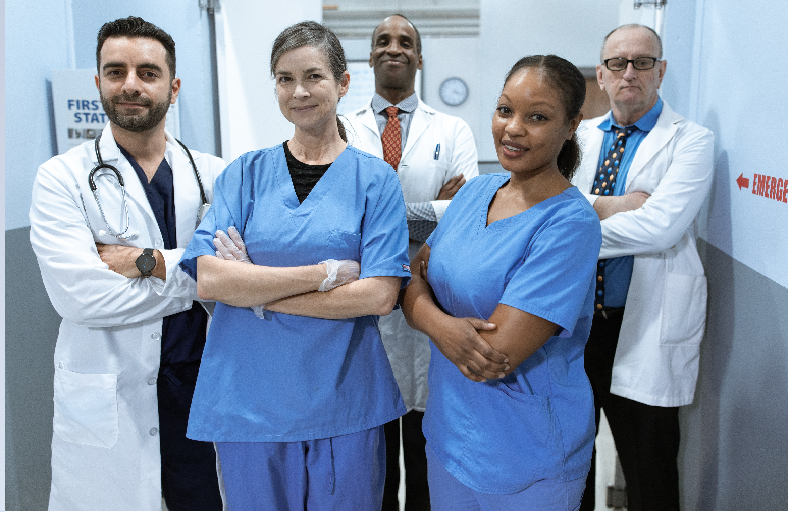





































Burnout amongst health and care workers is already an issue which has been close to the top of the agenda and this was before the times of COVID-19. It is important to understand why this was the case as a better understanding of the causes could well lead us to discover some potential solutions. Burnout amongst health workers has been extensively studied and documented over the past few years and we are all very aware of the potential contribution of some of the ways we practice 21st century medicine to the increase in levels of depersonalisation amongst front line workers. From increased complexity of pathways, EMRs that are not configured to follow clinical flows, legal considerations, the changes in relationship between patients and their carers and indeed the shift that has taken place over the past few years where patients are assuming the role of consumers of care. Many of these trends and shifts are desirable. The shift from individual opinion to evidence-based care and better clinical governance, the shift from passive receptive patients to active assertive and activated consumers have both positively contributed to positive outcomes for example.
It is also increasingly understood that there are other extraneous factors contributing to burnout. Ageing populations are a significant contributor as inevitably the complexity of the interplay between multimorbidities and the way the individual guidelines intersect, interact and often collide significantly increases levels of anxiety amongst those trying to implement them. We also should never forget that the workforce is of course ageing at exactly the same rate as the population and this scarcity of workforce compounds an already crowded and time limited time for consultations.
Finally, the lack of properly designed clinical decision support (CDS) delivering the right information to the right person in the right format through the right channel and in the right workflow (as described by Robert Campbell as the “five rights”) just makes an already difficult job more challenging.
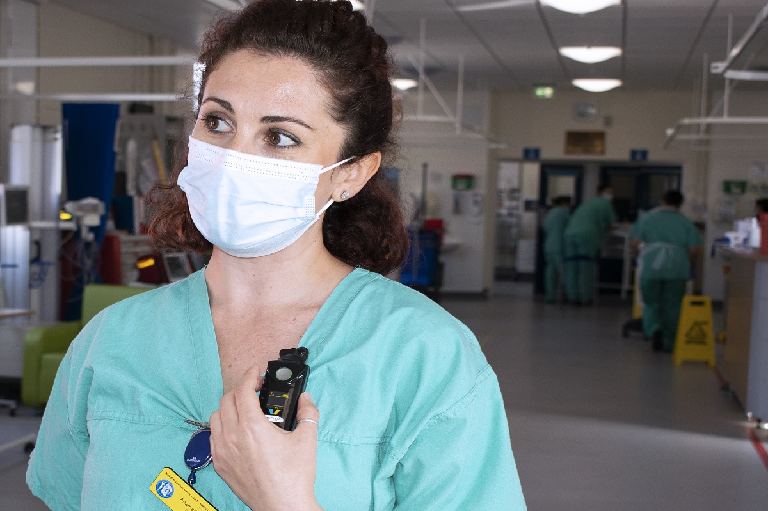
Now add COVID-19 to this mix, and we potentially have a truly explosive and unstable situation. We are already seeing large numbers of health care workers having to self-isolate or otherwise withdraw from the front line through illness or sheer exhaustion and this is no doubt exacerbating the already critical workforce shortages. Furthermore, the fact that the COVID-19 workforce will now have to manage complex patients, some of whom will either have assisted ventilation through CPAP or ventilated in an ICU situation will no doubt pile on the complexity. The challenge of managing ventilation in older people who are also multimorbid is a very significant one and one that is the more common presentation amongst COVID-19 patients.
A digital first approach
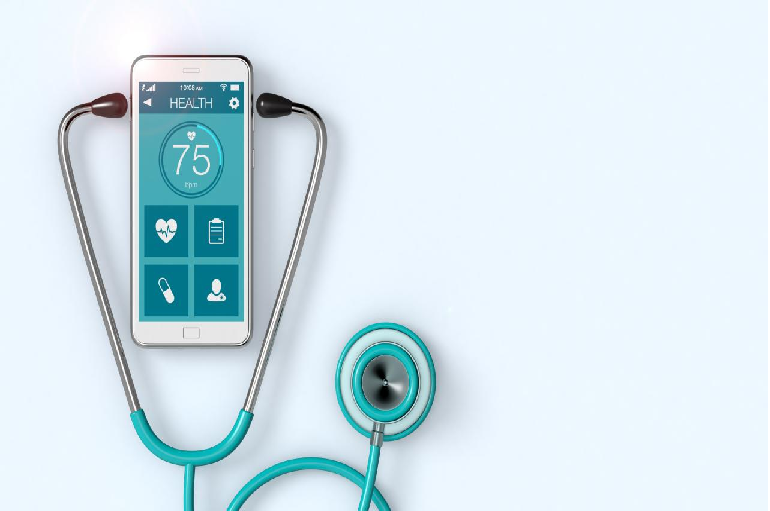
Paradoxically, as we all know, health and care tends to be resistant to change in working practices. In Scandinavia for example, there were many discussions about telehealth and making this mainstream and although progress was being made, there remained a level of resistance to altering tried and tested ways of working despite the fact they were clearly already being overwhelmed by demand. The cathartic nature of COVID-19 swept all that aside. Already, and it is only a few weeks since the emergence of the epidemic, a digital first approach has become the default and to a degree, it feels like we have at last breached the threshold towards making digital transformation something you can feel and see happening everywhere and with ever increasing momentum.
Burnout however is likely to become even more of an issue unless we take remedial action and we need to do this with speed, as otherwise the diminished ranks of people in the front line will be denuded further which of course will lead to further exacerbation of an already critical situation.
There are solutions to help us navigate this difficult landscape and they are enumerated below:
- Address the challenge of digital transformation head on through training. HIMSS has successfully trialled the use of both online and personally delivered digital immersion courses for doctors, for nurses and for dentists. These are different from existing offerings in that they look at digital transformation from the perspective of the physician, or the nurse, or the dentist. They are designed to assist the physician make the most out of the consultations and reduce the levels of uncertainty and stress. They also include use cases to illustrate how to improve the stress levels of carer and increase their clinical reach via digital extenders.
- Manage the introduction of new EMRs or changes to existing EMRs, specifically around COVID-19, with sensitivity. Most EMRs have been developed from billing systems and they do not necessarily address the requirements of the consultation in terms of clinical flow. This needs to continue to be addressed, as does the management of alerts within the system. The solutions lie with the responsible officers. They need to reach out to physicians, nurses and dentists, including the more recalcitrant ones. Obviously, the same level of engagement needs to take place on the part of the front-line workers.
- The whole concept and application of CDS needs rethinking. Whilst the pillars of CDS as enunciated by Robertson remain, the environment has changed to a much more personalised approach where clinicians will be presented with a whole range of factors to address in the care of patients. These need prioritising and contextualising and there are already excellent examples of how this can be done. These processes also need to be baked into the clinical flow within the EMRs, and of course they need to include COVID-19 management, contextualised and personalised.
- Interoperability and the use of open APIs needs to be encouraged. Digital passports need to be introduced that are scalable, secure and accessible to give us the best possible chance to manage COVID-19. This will go some way to manage duplication of effort and workload as well as reduce medical accidents, all of which contribute towards burnout.
- Bureaucracy needs to be addressed. This is a significant factor that is still living since the age of quill and parchment. There will always be a time lag between the deployment of technology and the catch up of the processes to govern it, although in some instances this time lag has become semi-permanent.
- Governance needs to be front and centre in the minds of those who introduce technological innovations. There have been many examples of new modalities being introduced without sufficient time spent on examining how they affect existing clinical flows and pathways. This is exacerbated by the fact that they are often used in addition to existing ways of working, thus increasing the potential for error. COVID-19 offers an opportunity to change this. The fact that it will be replacing existing ways of working should be exploited to redesign the pathways to ensure they are aligned.
COVID-19 can thus be viewed as a double-edged sword. On one hand it can, and will no doubt exacerbate a difficult situation for the workforce. This is despite the heroism, dedication and selflessness we have all become accustomed to see in the people on the front line in times of adversity and pressure. On the other hand it may just be the cathartic condition which finally leads to burnout being recognised for what it is – which is the symptom of a mismatch between the requirements of the system , the less than optimal deployment of technology, the aspirations of the population , and the capacity and capabilities of the workforce. We have solutions – only we have not deployed them. COVID-19 forces us to do so.


