









































Events Calendar

Mon
Tue
Wed
Thu
Fri
Sat
Sun
M
T
W
T
F
S
S
1
2
3
4
5
6
7
9
11
12
13
14
16
17
19
20
21
27
28
1
2
3
4
5
6
7
Psychiatry and Psychological Disorders
2021-02-08 - 2021-02-09    
All Day
Mental health Summit 2021 is a meeting of Psychiatrist for emerging their perspective against mental health challenges and psychological disorders in upcoming future. Psychiatry is [...]
Nanotechnology and Materials Engineering
2021-02-10 - 2021-02-11    
All Day
Nanotechnology and Materials Engineering are forthcoming use in healthcare, electronics, cosmetics, and other areas. Nanomaterials are the elements with the finest measurement of size 10-9 [...]
Dementia, Alzheimers and Neurological Disorders
2021-02-10 - 2021-02-11    
All Day
Euro Dementia 2021 is a distinctive forum to assemble worldwide distinguished academics within the field of professionals, Psychology, academic scientists, professors to exchange their ideas [...]
Neurology and Neurosurgery 2021
2021-02-10 - 2021-02-11    
All Day
European Neurosurgery 2021 anticipates participants from all around the globe to experience thought provoking Keynote lectures, oral, video & poster presentations. This Neurology meeting will [...]
Biofuels and Bioenergy 2021
2021-02-15 - 2021-02-16    
All Day
Biofuels and Bioenergy biofuel is a fuel that is produced through contemporary biological processes, such as agriculture and anaerobic digestion, rather than a fuel produced [...]
Tropical Medicine and Infectious Diseases
2021-02-15 - 2021-02-16    
All Day
Tropical Disease Webinar committee members invite all the participants across the globe to take part in this conference covering the theme “Global Impact on infectious [...]
Infectious Diseases 2021
2021-02-15 - 2021-02-16    
All Day
Infection Congress 2021 is intended to honor prestigious award for talented Young Researchers, Scientists, Young Investigators, Post-Graduate Students, Post-Doctoral Fellows, Trainees in recognition of their [...]
Gastroenterology and Liver Diseases
2021-02-18 - 2021-02-19    
All Day
Gastroenterology and Liver Diseases Conference 2021 provides a chance for all the stakeholders to collect all the Researchers, principal investigators, experts and researchers working under [...]
World Kidney Congress 2021
2021-02-18    
All Day
Kidney Meet 2021 will be the best platform for exchanging new ideas and research. It’s a virtual event that will grab the attendee’s attention to [...]
Agriculture & Organic farming
2021-02-22 - 2021-02-23    
All Day
                                                  [...]
Aquaculture & Fisheries
2021-02-22 - 2021-02-23    
All Day
We take the pleasure to invite all the Scientist, researchers, students and delegates to Participate in the Webinar on 13th World Congress on Aquaculture & [...]
Nanoscience and Nanotechnology 2021
2021-02-22 - 2021-02-23    
All Day
Conference Series warmly invites all the participants across the globe to attend "5th Annual Meet on Nanoscience and Nanotechnology” dated on February 22-23, 2021 , [...]
Neurology, Psychiatric disorders and Mental health
2021-02-23 - 2021-02-24    
12:00 am
Neurology, Psychiatric disorders and Mental health Summit is an idiosyncratic discussion to bring the advanced approaches and also unite recognized scholastics, concerned with neurology, neuroscience, [...]
Food and Nutrition 2021
2021-02-24    
All Day
Nutri Food 2021 reunites the old and new faces in food research to scale-up many dedicated brains in research and the utilization of the works [...]
Psychiatry and Psychological Disorders
2021-02-24 - 2021-02-25    
All Day
Mental health Summit 2021 is a meeting of Psychiatrist for emerging their perspective against mental health challenges and psychological disorders in upcoming future. Psychiatry is [...]
International Conference on  Biochemistry and Glyco Science
2021-02-25 - 2021-02-26    
All Day
Our point is to urge researchers to spread their test and hypothetical outcomes in any case a lot of detail as could be ordinary. There [...]
Biomedical, Biopharma and Clinical Research
2021-02-25 - 2021-02-26    
All Day
Biomedical research 2021 provides a platform to enhance your knowledge and forecast future developments in biomedical, bio pharma and clinical research and strives to provide [...]
Parasitology & Infectious Diseases 2021
2021-02-25    
All Day
INFECTIOUS DISEASES CONGRESS 2021 on behalf of its Organizing Committee, assemble all the renowned Pathologists, Immunologists, Researchers, Cellular and Molecular Biologists, Immune therapists, Academicians, Biotechnologists, [...]
Tissue Science and Regenerative Medicine
2021-02-26 - 2021-02-27    
All Day
Tissue Science 2021 proudly invites contributors across the globe to attend “International Conference on Tissue Science and Regenerative Medicine” during February 26-27, 2021 (Webinar) which [...]
Infectious Diseases, Microbiology & Beneficial Microbes
2021-02-26 - 2021-02-27    
All Day
Infectious diseases are ultimately caused by microscopic organisms like bacteria, viruses, fungi or parasites where Microbiology is the investigation of these minute life forms. A [...]
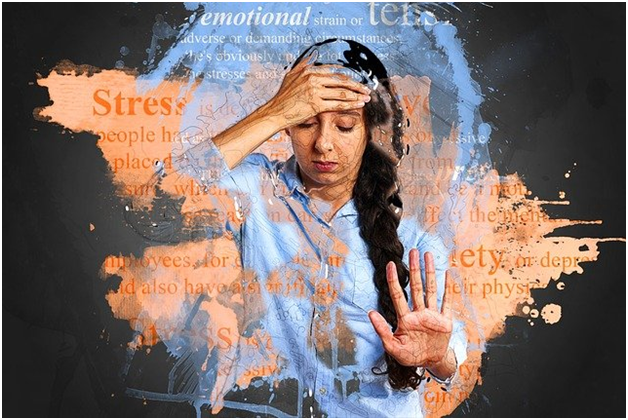
Stress Management 2021
2021-02-26    
All Day
Stress Management Meet 2021 will be a great platform for exchanging new ideas and research. It’s an online event which will grab the attendee’s attention [...]
Heart Care and Diseases 2021
2021-03-03    
All Day
Euro Heart Conference 2020 will join world-class professors, scientists, researchers, students, Perfusionists, cardiologists to discuss methodology for ailment remediation for heart diseases, Electrocardiography, Heart Failure, [...]
Gastroenterology and Digestive Disorders
2021-03-04 - 2021-03-05    
All Day
Gastroenterology Diseases is clearing a worldwide stage by drawing in 2500+ Gastroenterologists, Hepatologists, Surgeons going from Researchers, Academicians and Business experts, who are working in [...]
Environmental Toxicology and Ecological Risk Assessment
2021-03-04 - 2021-03-05    
All Day
Environmental Toxicology 2021 you can meet the world leading toxicologists, biochemists, pharmacologists, and also the industry giants who will provide you with the modern inventions [...]
Dermatology, Cosmetology and Plastic Surgery
2021-03-05 - 2021-03-06    
All Day
Market Analysis Speaking Opportunities Speaking Opportunities: We are constantly intrigued by hearing from professionals/practitioners who want to share their direct encounters and contextual investigations with [...]
Events on 2021-02-08
Events on 2021-02-18
Events on 2021-02-24
Events on 2021-03-03
Events on 2021-03-05
Latest News

Common skin cancer can signal increased risk of other cancers

People who develop abnormally frequent cases of a skin cancer known as basal cell carcinoma appear to be at significantly increased risk for the development of other cancers, including blood, breast, colon and prostate cancers, according to a preliminary study by researchers at the Stanford University School of Medicine.

The increased susceptibility is likely caused by mutations in a panel of proteins responsible for repairing DNA damage, the researchers found.

“We discovered that people who develop six or more basal cell carcinomas during a 10-year period are about three times more likely than the general population to develop other, unrelated cancers,” said Kavita Sarin, MD, PhD, assistant professor of dermatology. “We’re hopeful that this finding could be a way to identify people at an increased risk for a life-threatening malignancy before those cancers develop.”

Sarin is the senior author of the study, which was published online Aug. 9 in JCI Insight. Medical student Hyunje Cho is the lead author.

Largest organ

The skin is the largest organ of the body and the most vulnerable to DNA damage caused by the sun’s ultraviolet rays. Try as one might, it’s just not possible to completely avoid sun exposure, which is why proteins that repair DNA damage are important to prevent skin cancers like basal cell carcinoma.

Most of the time this system works well. But sometimes the repair team can’t keep up. Basal cell carcinomas are common — more than 3 million cases a year are diagnosed in the United States alone — and usually highly treatable.

Sarin and Cho wondered whether the skin could serve as a kind of canary in the coal mine to reveal an individual’s overall cancer susceptibility. “The skin is basically a walking mutagenesis experiment,” Sarin said. “It’s the best organ to detect genetic problems that could lead to cancers.”

Sarin and Cho studied 61 people treated at Stanford Health Care for unusually frequent basal cell carcinomas — an average of 11 per patient over a 10-year period. They investigated whether these people may have mutations in 29 genes that code for DNA-damage-repair proteins.

“We found that about 20 percent of the people with frequent basal cell carcinomas have a mutation in one of the genes responsible for repairing DNA damage, versus about 3 percent of the general population. That’s shockingly high,” Sarin said.

Furthermore, 21 of the 61 people reported a history of additional cancers, including blood cancer, melanoma, prostate cancer, breast cancer and colon cancer — a prevalence that suggests the frequent basal cell carcinoma patients are three times more likely than the general population to develop cancers.

‘A strong correlation’

To confirm the findings, the researchers applied a similar analysis to a large medical insurance claims database. Over 13,000 people in the database had six or more basal cell carcinomas; these people also were over three times more likely to have developed other cancers, including colon, melanoma and blood cancers. Finally, the researchers identified an upward trend: the more basal cell carcinomas an individual reported, the more likely that person was to have had other cancers as well.

“I was surprised to see such a strong correlation,” Sarin said. “But it’s also very gratifying. Now we can ask patients with repeated basal cell carcinomas whether they have family members with other types of cancers, and perhaps suggest that they consider genetic testing and increased screening.”

The researchers are continuing to enroll Stanford patients in the study, which is ongoing, to learn whether particular mutations in genes responsible for repairing DNA damage are linked to the development of specific malignancies. They’d also like to conduct a similar study in patients with frequent melanomas. But they emphasized that there’s no reason for people with occasional basal cell carcinomas to worry.

“About 1 in 3 Caucasians will develop basal cell carcinoma at some point in their lifetime,” Sarin said. “That doesn’t mean that you have an increased risk of other cancers. If, however, you’ve been diagnosed with several basal cell carcinomas within a few years, you may want to speak with your doctor about whether you should undergo increased or more intensive cancer screening.”

Other Stanford authors of the study are former dermatology resident Karen Kuo, MD; statistical programmer Shufeng Li; clinical research coordinator Irene Bailey; clinical professor of dermatology Sumaira Aasi, MD; associate professor of dermatology Anne Chang, MD; professor of dermatology Anthony Oro, MD, PhD; and professor of dermatology Jean Tang, MD, PhD.

The study was supported by the Dermatology Foundation, the National Institutes of Health (grants ARO54780 and ARO46786), the Stanford Society of Physician Scholars, the American Skin Association and Pellepharm Inc.

Tang and Epstein are co-founders, directors and officers of Pellepharm, a biotechnology company focused on rare dermatological conditions.

Stanford’s Department of Dermatology also supported the work.

Source

