





Coppertone Recalls 5 Aerosol Sunscreens Contaminated with a Known Carcinogen
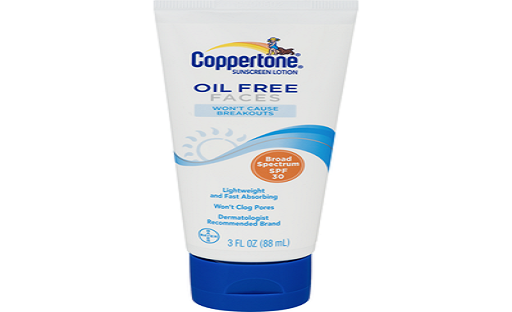
Check your medicine cabinet and beach bags: Coppertone is voluntarily recalling specific lots of five of its aerosol (spray) sunscreen products, each of which could be contaminated with the known carcinogen benzene, per a recall notice published by the U.S. Food and Drug Administration (FDA).
Five Coppertone products are being recalled “out of an abundance of caution:”
Pure & Simple SPF 50
Pure & Simple Baby SPF 50
Pure & Simple Kids SPF 50
Sport Mineral SPF 50
Sport Spray SPF 50, travel-size
However, only 12 specific lots, which were manufactured between January 10 and June 15, are included in the recall. (You can find the impacted products at the FDA’s site.) If you own one of these items, but it doesn’t bear a recalled lot number, it is not included in the recall.
Consumers who own any of the recalled sunscreens are urged to stop using the products and dispose of them immediately.
Benzene, which takes the form of a colorless or light yellow liquid at room temperature, is an organic compound used in plastic production, according to the Centers for Disease Control and Prevention (CDC). It’s also a known carcinogen, meaning that it is associated with the development of cancer, especially cancer of the blood.
The compound is not exceedingly dangerous in sunscreen, though; the FDA has not established a measure of how much benzene is safe to include in sun-care products. And although benzene is linked to cancer, it usually occurs after long-term exposure, the CDC says, which means for a year or more. To be clear, benzene is not an ingredient in sunscreen; it’s most likely a byproduct of the aersosol manufacturing process.
Coppertone has not announced how much benzene was detected in each batch, but the company writes that daily exposure at these levels “would not be expected to cause adverse health consequences.” No illnesses or negative effects related to these lots of sunscreen have been reported so far.
In May, independent lab Valisure released a bombshell report that researchers had discovered benzene in a quarter of the SPF and after-sun products it tested. And Johnson & Johnson, the manufacturer of Neutrogena and Aveeno products, ultimately recalled five products based on that report.
It appears that Coppertone’s recall is not related to the earlier report. And only one batch of Coppertone tested by Valisure contained benzene—at the lowest possible concentration. The brand has notified retailers to pull the affected products from shelves. But if you have any of the affected lots in your home, the FDA recommends disposing of the products. To request a refund and find additional information, visit Coppertone’s recall website.
If you’re worried about sunscreen and benzene contamination, don’t forego application out of fear. Sunscreen is still one of the most effective tools we have against the sun’s dangerous UV rays, shielding us from annoying and dangerous skin issues, including skin cancer. For now, keep lathering up with a sunscreen you feel comfortable with—as long as you use one, you’re good to go. The picks below contained no benzene, per Valisure’s past report: