























































Events Calendar

Mon
Tue
Wed
Thu
Fri
Sat
Sun
M
T
W
T
F
S
S
1
2
3
4
5
6
7
9
11
12
13
14
16
17
19
20
21
27
28
1
2
3
4
5
6
7
Psychiatry and Psychological Disorders
2021-02-08 - 2021-02-09    
All Day
Mental health Summit 2021 is a meeting of Psychiatrist for emerging their perspective against mental health challenges and psychological disorders in upcoming future. Psychiatry is [...]
Nanotechnology and Materials Engineering
2021-02-10 - 2021-02-11    
All Day
Nanotechnology and Materials Engineering are forthcoming use in healthcare, electronics, cosmetics, and other areas. Nanomaterials are the elements with the finest measurement of size 10-9 [...]
Dementia, Alzheimers and Neurological Disorders
2021-02-10 - 2021-02-11    
All Day
Euro Dementia 2021 is a distinctive forum to assemble worldwide distinguished academics within the field of professionals, Psychology, academic scientists, professors to exchange their ideas [...]
Neurology and Neurosurgery 2021
2021-02-10 - 2021-02-11    
All Day
European Neurosurgery 2021 anticipates participants from all around the globe to experience thought provoking Keynote lectures, oral, video & poster presentations. This Neurology meeting will [...]
Biofuels and Bioenergy 2021
2021-02-15 - 2021-02-16    
All Day
Biofuels and Bioenergy biofuel is a fuel that is produced through contemporary biological processes, such as agriculture and anaerobic digestion, rather than a fuel produced [...]
Tropical Medicine and Infectious Diseases
2021-02-15 - 2021-02-16    
All Day
Tropical Disease Webinar committee members invite all the participants across the globe to take part in this conference covering the theme “Global Impact on infectious [...]
Infectious Diseases 2021
2021-02-15 - 2021-02-16    
All Day
Infection Congress 2021 is intended to honor prestigious award for talented Young Researchers, Scientists, Young Investigators, Post-Graduate Students, Post-Doctoral Fellows, Trainees in recognition of their [...]
Gastroenterology and Liver Diseases
2021-02-18 - 2021-02-19    
All Day
Gastroenterology and Liver Diseases Conference 2021 provides a chance for all the stakeholders to collect all the Researchers, principal investigators, experts and researchers working under [...]
World Kidney Congress 2021
2021-02-18    
All Day
Kidney Meet 2021 will be the best platform for exchanging new ideas and research. It’s a virtual event that will grab the attendee’s attention to [...]
Agriculture & Organic farming
2021-02-22 - 2021-02-23    
All Day
                                                  [...]
Aquaculture & Fisheries
2021-02-22 - 2021-02-23    
All Day
We take the pleasure to invite all the Scientist, researchers, students and delegates to Participate in the Webinar on 13th World Congress on Aquaculture & [...]
Nanoscience and Nanotechnology 2021
2021-02-22 - 2021-02-23    
All Day
Conference Series warmly invites all the participants across the globe to attend "5th Annual Meet on Nanoscience and Nanotechnology” dated on February 22-23, 2021 , [...]
Neurology, Psychiatric disorders and Mental health
2021-02-23 - 2021-02-24    
12:00 am
Neurology, Psychiatric disorders and Mental health Summit is an idiosyncratic discussion to bring the advanced approaches and also unite recognized scholastics, concerned with neurology, neuroscience, [...]
Food and Nutrition 2021
2021-02-24    
All Day
Nutri Food 2021 reunites the old and new faces in food research to scale-up many dedicated brains in research and the utilization of the works [...]
Psychiatry and Psychological Disorders
2021-02-24 - 2021-02-25    
All Day
Mental health Summit 2021 is a meeting of Psychiatrist for emerging their perspective against mental health challenges and psychological disorders in upcoming future. Psychiatry is [...]
International Conference on  Biochemistry and Glyco Science
2021-02-25 - 2021-02-26    
All Day
Our point is to urge researchers to spread their test and hypothetical outcomes in any case a lot of detail as could be ordinary. There [...]
Biomedical, Biopharma and Clinical Research
2021-02-25 - 2021-02-26    
All Day
Biomedical research 2021 provides a platform to enhance your knowledge and forecast future developments in biomedical, bio pharma and clinical research and strives to provide [...]
Parasitology & Infectious Diseases 2021
2021-02-25    
All Day
INFECTIOUS DISEASES CONGRESS 2021 on behalf of its Organizing Committee, assemble all the renowned Pathologists, Immunologists, Researchers, Cellular and Molecular Biologists, Immune therapists, Academicians, Biotechnologists, [...]
Tissue Science and Regenerative Medicine
2021-02-26 - 2021-02-27    
All Day
Tissue Science 2021 proudly invites contributors across the globe to attend “International Conference on Tissue Science and Regenerative Medicine” during February 26-27, 2021 (Webinar) which [...]
Infectious Diseases, Microbiology & Beneficial Microbes
2021-02-26 - 2021-02-27    
All Day
Infectious diseases are ultimately caused by microscopic organisms like bacteria, viruses, fungi or parasites where Microbiology is the investigation of these minute life forms. A [...]
Stress Management 2021
2021-02-26    
All Day
Stress Management Meet 2021 will be a great platform for exchanging new ideas and research. It’s an online event which will grab the attendee’s attention [...]
Heart Care and Diseases 2021
2021-03-03    
All Day
Euro Heart Conference 2020 will join world-class professors, scientists, researchers, students, Perfusionists, cardiologists to discuss methodology for ailment remediation for heart diseases, Electrocardiography, Heart Failure, [...]
Gastroenterology and Digestive Disorders
2021-03-04 - 2021-03-05    
All Day
Gastroenterology Diseases is clearing a worldwide stage by drawing in 2500+ Gastroenterologists, Hepatologists, Surgeons going from Researchers, Academicians and Business experts, who are working in [...]
Environmental Toxicology and Ecological Risk Assessment
2021-03-04 - 2021-03-05    
All Day
Environmental Toxicology 2021 you can meet the world leading toxicologists, biochemists, pharmacologists, and also the industry giants who will provide you with the modern inventions [...]
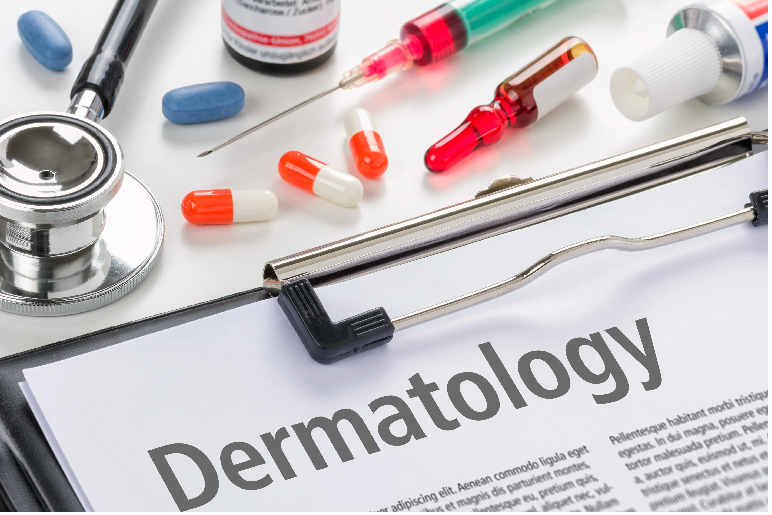
Dermatology, Cosmetology and Plastic Surgery
2021-03-05 - 2021-03-06    
All Day
Market Analysis Speaking Opportunities Speaking Opportunities: We are constantly intrigued by hearing from professionals/practitioners who want to share their direct encounters and contextual investigations with [...]
Events on 2021-02-08
Events on 2021-02-18
Events on 2021-02-24
Events on 2021-03-03
Events on 2021-03-05
Articles

Cybercrime 2018: Most Hospitals’ IT Security Is Still Not Enough

cybercrime 2018
BIRMINGHAM, UNITED KINGDOM - JUNE 14: A doctor at The Queen Elizabeth Hospital Birmingham does his rounds on the wards on June 14, 2006 in Birmingham, England. Senior managers of the NHS have said that the organisation needs to become more open in the future. (Photo by Christopher Furlong/Getty Images)

Have you noticed? We haven’t read shocking news of record-breaking security breaches, in fact not since 2015-2016. Remember Bon Secours Health System where the information of 655,000 patients was compromised via the internet? Or the breach at 21st Century Oncology Holdings that hit more than two million patients across 181 cancer treatment centers? A cyber attack on Banner Health affected 3.6 million people, and NewKirk Products, a business associate, was hacked to the tune of 3.5 million affected individuals. According to HHS’ Wall of Shame, over 113 million people were hit in 2015 by breaches of their personal data, and in 2016 more than 27 million patient records were impacted. But, in the whole of 2017 “only” about 4.7 million people were victimized, a four year low.  This may seem like good news, but before we get too comfortable with our seemingly safer data security today, here’s the story behind the story —  and it isn’t pretty.

Many big healthcare cybersecurity news stories have focused on ransomware, the frightening new weapon used by hackers to stop healthcare computing operations cold in order to extort bitcoin payoffs. Though ransomware attacks received a lot of press, it is clear that patient identity theft remains the most dangerous threat facing the healthcare industry. Even back  In 2016 the HIMSS Cybersecurity Survey reported that identity theft had become cyber criminals’ strategy of choice because of patient data’s sheer marketplace value.

This year’s HIMSS 2018 Cybersecurity Survey of 239  information security professionals from various healthcare organizations reported a similar predominant trend of identity theft. The number of individuals impacted by security incidents decreased, but the number of incidents has not slowed down. Over 75% reported that their organizations had experienced a significant security incident in the last year. “If anything…significant security incidents will continue to grow in number, complexity, and impact,” according to the report.

Externally based incidents have gotten the most press. HIMSS reports that the three greatest perpetrators of recent significant security incidents are online scam artists (phishing exploiters), negligent hospital insiders, and criminal hackers. These are  followed by malicious insiders and social engineers — hackers who play fraudulent tricks on insiders using tools like phone calls and social media.

If we look a little deeper at the numbers below it becomes clear that our hospital insiders — physicians, nurses, IT and other staff — are complicit, mostly inadvertently (a few, deliberately), in at least 70 percent of security incidents.These would include staff or business associates that are taken in by online scam artists and criminal social engineers, in addition to negligent insiders. Take a look at this screenshot from HIMSS’ 2018 report:

We must squarely look at the unfortunate role of our well-meaning hospital insiders in the dangerous state of healthcare cybersecurity today and step up protections:

  • Phishing and social engineering by bad actors only work if we mere mortals don’t catch these threats before damage occurs. Such incidents accounted for 37.6 percent of security breaches last year.
  • Negligent insiders accounted for 21 percent of incidents.
  • Social engineering (almost five percent of last year’s incidents) succeeds only if our staff doesn’t recognize and catch it.
  • Over five percent of insiders were deliberately bad actors.

It’s clear that healthcare organizations must do more to reduce these internal vulnerabilities, as well as prevent external hacking in its many ever changing forms.

The somewhat good news: About 85% of respondents say that their organizations have increased the resources needed to manage cybersecurity concerns. The following graph shows the percentage of IT budgets allocated to cybersecurity in 2018.

We can all agree that any increased expenditures and efforts to protect our hospitals’ data are important actions, but we all should be concerned that the overall hospital industry’s response to the abundance of security risks has not been greater or more clearly defined as priorities in IT budgets.

Specific efforts focusing on internal vulnerabilities should be especially high priority. Potential issues like the following must be hit hard:

  • How thorough and frequent is staff training? Is it absolutely required of all staff?
  • Are stringent rules in place that clearly include severe consequences?
  • Is the IT department and security staff in control — or instead, overwhelmed or not effectively engaged?  For example, does IT follow and enforce best practices in secure network management, device management, and the simplest of protections, frequent password changes designed for difficulty? Is IT conducting frequent systems penetration testing? Is IT on top of the most dangerous, current potential cyberthreats?
  • Does the IT department include highly trained security staff, either employees or external contractors?
  • Are thorough security risk analyses conducted at least once a year — ideally, more frequently?
  • Is the C-suite committed to data security and privacy, and is this communicated enterprise wide?
  • Are necessary security and privacy protections adequately funded?

Most predictions indicate healthcare is headed into a period of increased cybersecurity risks in 2019 and beyond.  Hospitals, other providers and business associates should complete a security risk analysis soon, if they haven’t yet conducted one this year.  As always, well-qualified internal IT security professionals or an objective third part security professional must lead the process. Then they should calibrate your organization’s unique risks against potential costs — including the privacy costs of patients — to plan ahead for technical and social protections that will minimize your vulnerabilities and thwart the cyberthreats that are sure to come.

________________________________

If you need the security knowledge and expertise of certified specialists with over 20 years of hospital privacy and security experience, contact us.

ABOUT D’ARCY GUERIN GUE

Vice President, Industry Relations

D’Arcy Guerin Gue is a co-founder of Phoenix, with over 25 years of experience in executive leadership, strategic planning, IT services, knowledge leadership, and industry relations —  and a special focus on patient engagement and federal compliance issues.

Phoenix is a division of Medsphere Systems.


