
















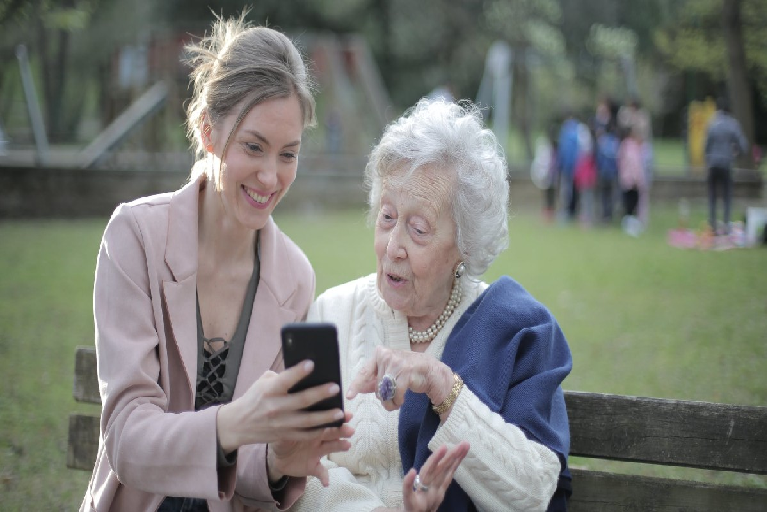
Digital health literacy as a social determinant of health
Experts at the WEDI conference outlined steps for institutions and clinical teams to take toward bringing equity to patient-facing tools.
The release of final rules from the Office of the National Coordinator for Health IT regarding the 21st Century Cures Act have shined a renewed spotlight on patients’ ability to take control of their own health data.
But not everyone enjoys the same level of self-determination – or access to digital healthcare, in general, said speakers at the WEDI Quest for Health Equity event on Tuesday.
“Digital health equity is a step toward health equity,” said Dr. Jorge Rodriguez, a health technology equity researcher and hospitalist at Brigham and Women’s Hospital Department of General Internal Medicine. As such, he said, digital health equity is “essential for our success and the sustainability of digital health overall.”
Rodriguez and his co-panelist, Brigham and Women’s Hospital General Internal Medicine Division Chief Dr. David Bates, outlined five main facets to address when considering digital health equity: tech access, tech literacy, implementation, payment and standard of care.
Bates explained that, in addition to the ONC rules, the novel coronavirus crisis highlighted the disparities in access to digital health, including telemedicine.
“I think we all realize that telehealth absolutely took off in the COVID-19 pandemic,” said Bates. “This forced a lot of people to move very rapidly.”
“There have been issues with who is able to use virtual health,” Bates continued, noting the wide range of studies about varying levels of access to telehealth during the pandemic.
Bates noted that in some states, the reliance on web-based COVID-19 vaccination registration systems has shut even more people out.
“For patients who do not have digital access” in places like these, “there’s really no other way to get the vaccine,” he said.
Technology access includes both broadband and device access, noted Rodriguez and Bates, who also published a paper in the Journal of the American Medical Association last May outlining these divides.
At least 21 million people in the United States lack broadband access, and federal programs have been unsuccessful thus far at filling the gaps.
Rodriguez also classified digital health literacy as a social determinant of health, and advised providers and vendors to develop linguistically and culturally tailored digital health tools to engage diverse populations.
Even seemingly basic steps are sometimes not taken. As one example, Rodriguez pointed out that only 22% of surveyed diabetes apps have user interfaces available in Spanish – although Latinx people are more likely than the general population to get the disease.
Payment, too, will be a major driver of digital health equity.
“In terms of equity maintaining payment parity across modalities is really important,” said Rodriguez. As other advocates and experts have flagged, payers failing to reimburse for telephone visits, as opposed to video visits, “creates a perfect setup for disparities,” he continued.
To try and bring equity to patient-facing digital health tools, Rodriguez advised institutions to:
- Invest in patient portals and apps that address the needs of underserved populations.
- Track digital health access and usage across socio-demographics.
- Focus on patient training in the deployment of new technologies to account for varied digital literacy levels.
- Develop workflows that allow clinical tams to engage with diverse patients across digital health platforms.
- He also encouraged clinical teams to offer access to digital tools to all patients and to encourage patients to use digital health tools as part of standard care.
“You cannot tell a patient’s likelihood of using digital health by looking at them,” said Rodriguez.
Source : Digitalhealth