


























Do These Popular Memory Boosters Really Work?
Misplaced your face mask (when it turned out to be on your face), or forgotten the name of an actor you like? It could be the past year’s stress, sleepless nights, and multitasking catching up with you—all those factors can make you foggy-headed and forgetful, says Sheena Josselyn, Ph.D., a senior neuroscientist at the Hospital for Sick Children in Toronto, Canada.
Research consistently shows that eating a healthy diet, exercising regularly, and getting a good night’s sleep are some of the best ways to keep your brain sharp, but several products claim to goose memory. We asked experts which to consider—and which to forget. (If you notice a significant shift in your memory, ask your M.D. about a cognitive evaluation.)
Brain games
What they are: App-based puzzles, memory games, and other mental challenges.
What we know: There isn’t much independent research showing that these games have long-term benefits. “You can become much better at crossword puzzles, but that doesn’t mean you’re going to remember to feed the dog,” says Barry Gordon, M.D., Ph.D., a professor of neurology and cognitive science at Johns Hopkins.
Should you try them? It can’t hurt. They are fun and keep your brain active, though low-tech activities like reading do the same, Josselyn says.
Brands to try: Peak; Elevate; Eidetic (all free, with in-app purchases)
Caffeine in drinks or pills
What it is: A natural stimulant found in coffee, green and black tea, and supplements.
What we know: The research isn’t definitive, but coffee and tea appear to have some benefits for memory. A review of the Women’s Health
Initiative Memory Study found that those who consumed the most caffeine were less likely to develop cognitive impairment than those who drank the least. Caffeine can be taken in the form of supplements, which often also contain ingredients such as L-theanine, an amino acid that may offset caffeine jitters.
Should you try it? Sure, but consult with your doctor before taking any
supplements. And consume your caffeine early in the day, as studies suggest that deep sleep is vital in protecting the brain against the onset of Alzheimer’s.
Brands to try: Gaia Herbs Green Tea capsules; Sakara Nootropic Chocolates; Bulletproof Neuromaster capsules
Brain-stimulating wearables
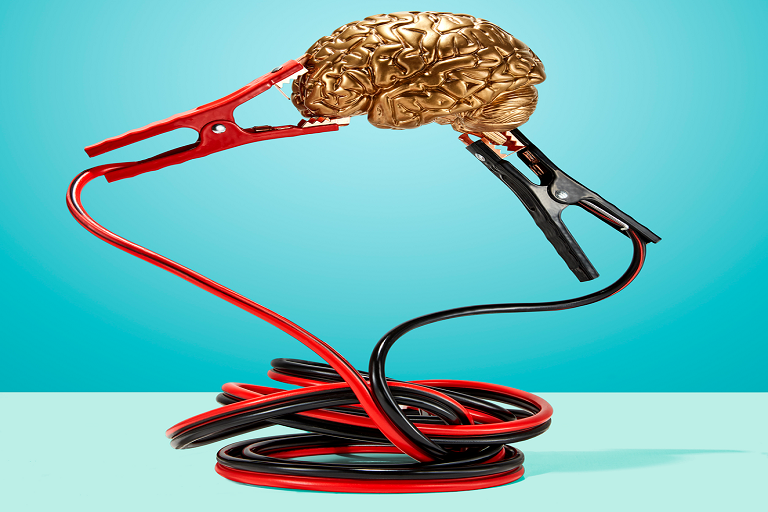
What they are: Headbands or forehead patches that deliver pulses via an electromagnetic coil (transcranial magnetic stimulation, or TMS) or electrical current (transcranial alternating current stimulation, or TACS).
What we know: While there’s some evidence that TMS and TACS can improve age-related memory loss when administered by researchers or physicians, it’s unclear whether consumers will get the same results with devices they use at home, says Dr. Gordon.
Should you try them? Save your money. Instead, set a reminder on your phone or watch to take more steps, or go for a run, both experts advise. Aerobic exercise has been shown to build new brain cells in animal tests and increase blood flow to the brain.


