














































Events Calendar

Mon
Tue
Wed
Thu
Fri
Sat
Sun
M
T
W
T
F
S
S
1
2
3
4
5
6
7
9
11
12
13
14
16
17
19
20
21
27
28
1
2
3
4
5
6
7
Psychiatry and Psychological Disorders
2021-02-08 - 2021-02-09    
All Day
Mental health Summit 2021 is a meeting of Psychiatrist for emerging their perspective against mental health challenges and psychological disorders in upcoming future. Psychiatry is [...]
Nanotechnology and Materials Engineering
2021-02-10 - 2021-02-11    
All Day
Nanotechnology and Materials Engineering are forthcoming use in healthcare, electronics, cosmetics, and other areas. Nanomaterials are the elements with the finest measurement of size 10-9 [...]
Dementia, Alzheimers and Neurological Disorders
2021-02-10 - 2021-02-11    
All Day
Euro Dementia 2021 is a distinctive forum to assemble worldwide distinguished academics within the field of professionals, Psychology, academic scientists, professors to exchange their ideas [...]
Neurology and Neurosurgery 2021
2021-02-10 - 2021-02-11    
All Day
European Neurosurgery 2021 anticipates participants from all around the globe to experience thought provoking Keynote lectures, oral, video & poster presentations. This Neurology meeting will [...]
Biofuels and Bioenergy 2021
2021-02-15 - 2021-02-16    
All Day
Biofuels and Bioenergy biofuel is a fuel that is produced through contemporary biological processes, such as agriculture and anaerobic digestion, rather than a fuel produced [...]
Tropical Medicine and Infectious Diseases
2021-02-15 - 2021-02-16    
All Day
Tropical Disease Webinar committee members invite all the participants across the globe to take part in this conference covering the theme “Global Impact on infectious [...]
Infectious Diseases 2021
2021-02-15 - 2021-02-16    
All Day
Infection Congress 2021 is intended to honor prestigious award for talented Young Researchers, Scientists, Young Investigators, Post-Graduate Students, Post-Doctoral Fellows, Trainees in recognition of their [...]
Gastroenterology and Liver Diseases
2021-02-18 - 2021-02-19    
All Day
Gastroenterology and Liver Diseases Conference 2021 provides a chance for all the stakeholders to collect all the Researchers, principal investigators, experts and researchers working under [...]
World Kidney Congress 2021
2021-02-18    
All Day
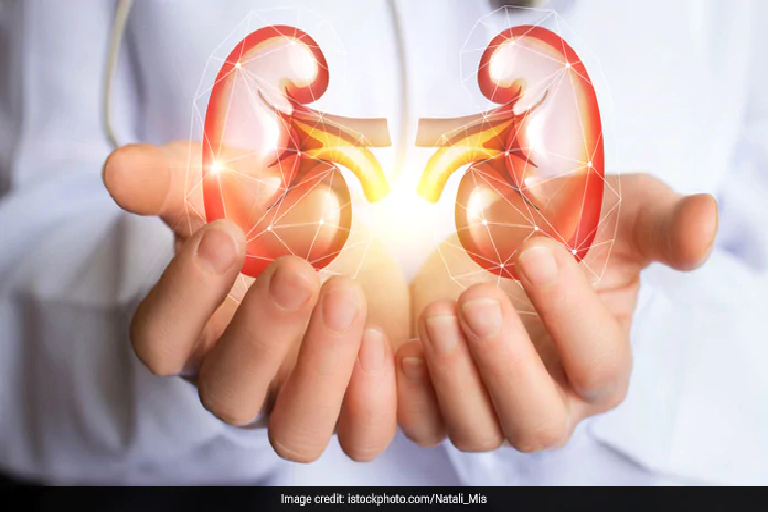
Kidney Meet 2021 will be the best platform for exchanging new ideas and research. It’s a virtual event that will grab the attendee’s attention to [...]
Agriculture & Organic farming
2021-02-22 - 2021-02-23    
All Day
                                                  [...]
Aquaculture & Fisheries
2021-02-22 - 2021-02-23    
All Day
We take the pleasure to invite all the Scientist, researchers, students and delegates to Participate in the Webinar on 13th World Congress on Aquaculture & [...]
Nanoscience and Nanotechnology 2021
2021-02-22 - 2021-02-23    
All Day
Conference Series warmly invites all the participants across the globe to attend "5th Annual Meet on Nanoscience and Nanotechnology” dated on February 22-23, 2021 , [...]
Neurology, Psychiatric disorders and Mental health
2021-02-23 - 2021-02-24    
12:00 am
Neurology, Psychiatric disorders and Mental health Summit is an idiosyncratic discussion to bring the advanced approaches and also unite recognized scholastics, concerned with neurology, neuroscience, [...]
Food and Nutrition 2021
2021-02-24    
All Day
Nutri Food 2021 reunites the old and new faces in food research to scale-up many dedicated brains in research and the utilization of the works [...]
Psychiatry and Psychological Disorders
2021-02-24 - 2021-02-25    
All Day
Mental health Summit 2021 is a meeting of Psychiatrist for emerging their perspective against mental health challenges and psychological disorders in upcoming future. Psychiatry is [...]
International Conference on  Biochemistry and Glyco Science
2021-02-25 - 2021-02-26    
All Day
Our point is to urge researchers to spread their test and hypothetical outcomes in any case a lot of detail as could be ordinary. There [...]
Biomedical, Biopharma and Clinical Research
2021-02-25 - 2021-02-26    
All Day
Biomedical research 2021 provides a platform to enhance your knowledge and forecast future developments in biomedical, bio pharma and clinical research and strives to provide [...]
Parasitology & Infectious Diseases 2021
2021-02-25    
All Day
INFECTIOUS DISEASES CONGRESS 2021 on behalf of its Organizing Committee, assemble all the renowned Pathologists, Immunologists, Researchers, Cellular and Molecular Biologists, Immune therapists, Academicians, Biotechnologists, [...]
Tissue Science and Regenerative Medicine
2021-02-26 - 2021-02-27    
All Day
Tissue Science 2021 proudly invites contributors across the globe to attend “International Conference on Tissue Science and Regenerative Medicine” during February 26-27, 2021 (Webinar) which [...]
Infectious Diseases, Microbiology & Beneficial Microbes
2021-02-26 - 2021-02-27    
All Day
Infectious diseases are ultimately caused by microscopic organisms like bacteria, viruses, fungi or parasites where Microbiology is the investigation of these minute life forms. A [...]
Stress Management 2021
2021-02-26    
All Day
Stress Management Meet 2021 will be a great platform for exchanging new ideas and research. It’s an online event which will grab the attendee’s attention [...]
Heart Care and Diseases 2021
2021-03-03    
All Day
Euro Heart Conference 2020 will join world-class professors, scientists, researchers, students, Perfusionists, cardiologists to discuss methodology for ailment remediation for heart diseases, Electrocardiography, Heart Failure, [...]
Gastroenterology and Digestive Disorders
2021-03-04 - 2021-03-05    
All Day
Gastroenterology Diseases is clearing a worldwide stage by drawing in 2500+ Gastroenterologists, Hepatologists, Surgeons going from Researchers, Academicians and Business experts, who are working in [...]
Environmental Toxicology and Ecological Risk Assessment
2021-03-04 - 2021-03-05    
All Day
Environmental Toxicology 2021 you can meet the world leading toxicologists, biochemists, pharmacologists, and also the industry giants who will provide you with the modern inventions [...]
Dermatology, Cosmetology and Plastic Surgery
2021-03-05 - 2021-03-06    
All Day
Market Analysis Speaking Opportunities Speaking Opportunities: We are constantly intrigued by hearing from professionals/practitioners who want to share their direct encounters and contextual investigations with [...]
Events on 2021-02-08
Events on 2021-02-18
Events on 2021-02-24
Events on 2021-03-03
Events on 2021-03-05
Articles

Doctors Quickly Embrace AI in Healthcare as Benefits and Risks Emerge

doctor-ai - EMR industry

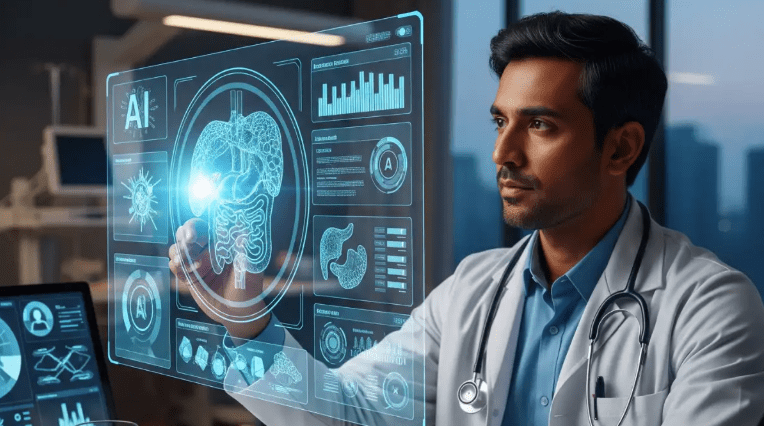
While physicians have traditionally been cautious about adopting new technologies—often due to challenges with systems like electronic health records—AI is seeing rapid uptake, driven by its diagnostic precision and ability to ease administrative workloads. Today, two-thirds of doctors report using AI tools. Still, concerns such as skill degradation and algorithmic bias highlight the need for strong oversight. With careful management, AI has the potential to transform healthcare.

Moving Past Historical Hesitation
Physicians have traditionally been cautious about adopting new technologies, often seeing them as disruptions rather than improvements to clinical workflows. This skepticism is largely rooted in past experiences—such as with electronic health records—which, despite promises of greater efficiency, often introduced clunky interfaces and added administrative burdens. As noted in a recent American Medical Association (AMA) article, these missteps left many doctors wary, contributing to burnout and resistance to future tech solutions.

However, artificial intelligence is beginning to break that pattern. Unlike earlier tools, AI is delivering immediate value through real-time diagnostic support and reduced administrative workload, leading to a notable shift in physician perception. According to the AMA, health AI usage among doctors has jumped 78% since 2023, with two-thirds of physicians now incorporating it into their practice. This surge in adoption suggests AI is addressing long-standing pain points without requiring the disruptive system overhauls of the past.

The Distinct Advantages of AI in Clinical Practice
What Makes AI Stand Out in Clinical Practice
AI’s key advantage lies in its ability to complement—not replace—human expertise. By handling routine or time-consuming tasks, AI enables physicians to focus on complex decision-making and patient care. Tools such as AI-powered imaging analysis and clinical decision support systems are already improving diagnostic accuracy and speeding up workflows. According to reports from the World Economic Forum, AI is being used to detect issues like bone fractures and assess emergency care needs more efficiently. Medical experts on X have also cited studies showing AI outperforms humans in certain reasoning tasks, achieving correct diagnoses in up to 80% of cases—compared to 30% by physicians alone.

Yet, this rapid adoption comes with caution. A study from Poland, highlighted by NPR’s Shots – Health News, found evidence of a “de-skilling” effect: doctors who used AI during colonoscopies later showed reduced detection rates when operating independently. This raises concerns about long-term reliance, especially in highly specialized procedures. The Economic Times and The Lancet have similarly warned that excessive dependence on AI could gradually erode essential clinical skills.

Navigating Risks and Ethical Considerations
Despite the challenges, many health systems are already seeing tangible benefits from AI—ranging from cost savings to earlier clinical interventions, according to Becker’s Hospital Review. A recent Healthcare IT News survey found that 58% of providers are using AI for administrative functions and 44% for clinical support. However, integration with existing data systems remains a persistent hurdle. On X, voices like Dr. Derya Unutmaz have raised concerns that AI could reduce the need for human physicians in routine care, while others highlight its superior diagnostic performance in large-scale studies.

Ethical issues further complicate the landscape. Biases embedded in AI algorithms risk worsening health disparities, particularly for women and minority groups—a concern amplified in posts on X referencing research showing AI’s tendency to downplay symptoms in these populations. Publications like PMC explore both the promise and pitfalls of AI in healthcare, emphasizing that while the technology has the potential to transform patient care, strong governance and oversight are essential to prevent errors and ensure equity.

Accelerating Adoption Amid Healthcare Transformation
The AI healthcare market is rapidly expanding, with projections reaching $187 billion by 2030, according to IT Brief, fueled by advances in precision medicine. Leaders at institutions like Dartmouth-Hitchcock highlight AI’s impact on streamlining workflows and allowing doctors to spend more time with patients, as noted in their recent news updates. Discussions on X by the AI for Health Hub point to ongoing challenges such as outdated IT infrastructure and staff skepticism, but overall optimism remains strong thanks to AI tools that automate note-taking and data management.

To maintain this momentum, experts stress the importance of training programs that help clinicians retain their skills while effectively integrating AI. BMC Medical Education emphasizes that educating healthcare providers on AI is essential for its ethical and successful adoption. Although some historical resistance persists, AI’s demonstrated benefits and continuous improvements position it as a transformative force that could significantly enhance healthcare delivery—if implemented with careful oversight.


