



















































Events Calendar

Mon
Tue
Wed
Thu
Fri
Sat
Sun
M
T
W
T
F
S
S
1
2
3
4
5
6
7
9
11
12
13
14
16
17
19
20
21
27
28
1
2
3
4
5
6
7
Psychiatry and Psychological Disorders
2021-02-08 - 2021-02-09    
All Day
Mental health Summit 2021 is a meeting of Psychiatrist for emerging their perspective against mental health challenges and psychological disorders in upcoming future. Psychiatry is [...]
Nanotechnology and Materials Engineering
2021-02-10 - 2021-02-11    
All Day
Nanotechnology and Materials Engineering are forthcoming use in healthcare, electronics, cosmetics, and other areas. Nanomaterials are the elements with the finest measurement of size 10-9 [...]
Dementia, Alzheimers and Neurological Disorders
2021-02-10 - 2021-02-11    
All Day
Euro Dementia 2021 is a distinctive forum to assemble worldwide distinguished academics within the field of professionals, Psychology, academic scientists, professors to exchange their ideas [...]
Neurology and Neurosurgery 2021
2021-02-10 - 2021-02-11    
All Day
European Neurosurgery 2021 anticipates participants from all around the globe to experience thought provoking Keynote lectures, oral, video & poster presentations. This Neurology meeting will [...]
Biofuels and Bioenergy 2021
2021-02-15 - 2021-02-16    
All Day
Biofuels and Bioenergy biofuel is a fuel that is produced through contemporary biological processes, such as agriculture and anaerobic digestion, rather than a fuel produced [...]
Tropical Medicine and Infectious Diseases
2021-02-15 - 2021-02-16    
All Day
Tropical Disease Webinar committee members invite all the participants across the globe to take part in this conference covering the theme “Global Impact on infectious [...]
Infectious Diseases 2021
2021-02-15 - 2021-02-16    
All Day
Infection Congress 2021 is intended to honor prestigious award for talented Young Researchers, Scientists, Young Investigators, Post-Graduate Students, Post-Doctoral Fellows, Trainees in recognition of their [...]
Gastroenterology and Liver Diseases
2021-02-18 - 2021-02-19    
All Day
Gastroenterology and Liver Diseases Conference 2021 provides a chance for all the stakeholders to collect all the Researchers, principal investigators, experts and researchers working under [...]
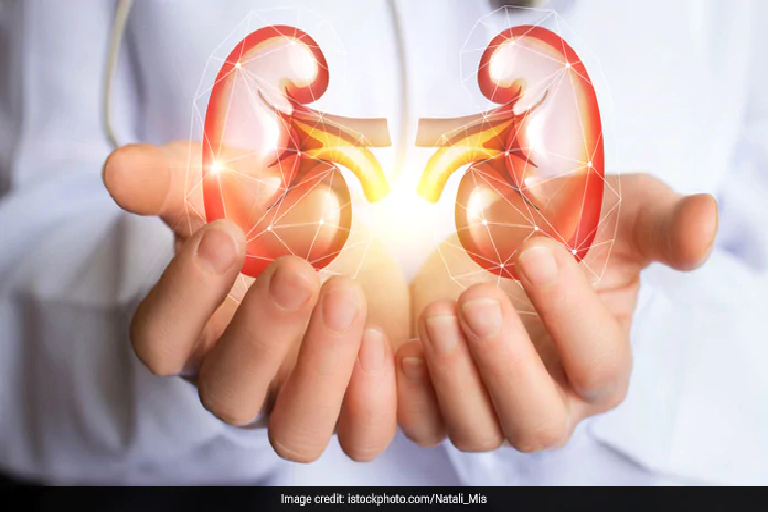
World Kidney Congress 2021
2021-02-18    
All Day
Kidney Meet 2021 will be the best platform for exchanging new ideas and research. It’s a virtual event that will grab the attendee’s attention to [...]
Agriculture & Organic farming
2021-02-22 - 2021-02-23    
All Day
                                                  [...]
Aquaculture & Fisheries
2021-02-22 - 2021-02-23    
All Day
We take the pleasure to invite all the Scientist, researchers, students and delegates to Participate in the Webinar on 13th World Congress on Aquaculture & [...]
Nanoscience and Nanotechnology 2021
2021-02-22 - 2021-02-23    
All Day
Conference Series warmly invites all the participants across the globe to attend "5th Annual Meet on Nanoscience and Nanotechnology” dated on February 22-23, 2021 , [...]
Neurology, Psychiatric disorders and Mental health
2021-02-23 - 2021-02-24    
12:00 am
Neurology, Psychiatric disorders and Mental health Summit is an idiosyncratic discussion to bring the advanced approaches and also unite recognized scholastics, concerned with neurology, neuroscience, [...]
Food and Nutrition 2021
2021-02-24    
All Day
Nutri Food 2021 reunites the old and new faces in food research to scale-up many dedicated brains in research and the utilization of the works [...]
Psychiatry and Psychological Disorders
2021-02-24 - 2021-02-25    
All Day
Mental health Summit 2021 is a meeting of Psychiatrist for emerging their perspective against mental health challenges and psychological disorders in upcoming future. Psychiatry is [...]
International Conference on  Biochemistry and Glyco Science
2021-02-25 - 2021-02-26    
All Day
Our point is to urge researchers to spread their test and hypothetical outcomes in any case a lot of detail as could be ordinary. There [...]
Biomedical, Biopharma and Clinical Research
2021-02-25 - 2021-02-26    
All Day
Biomedical research 2021 provides a platform to enhance your knowledge and forecast future developments in biomedical, bio pharma and clinical research and strives to provide [...]
Parasitology & Infectious Diseases 2021
2021-02-25    
All Day
INFECTIOUS DISEASES CONGRESS 2021 on behalf of its Organizing Committee, assemble all the renowned Pathologists, Immunologists, Researchers, Cellular and Molecular Biologists, Immune therapists, Academicians, Biotechnologists, [...]
Tissue Science and Regenerative Medicine
2021-02-26 - 2021-02-27    
All Day
Tissue Science 2021 proudly invites contributors across the globe to attend “International Conference on Tissue Science and Regenerative Medicine” during February 26-27, 2021 (Webinar) which [...]
Infectious Diseases, Microbiology & Beneficial Microbes
2021-02-26 - 2021-02-27    
All Day
Infectious diseases are ultimately caused by microscopic organisms like bacteria, viruses, fungi or parasites where Microbiology is the investigation of these minute life forms. A [...]
Stress Management 2021
2021-02-26    
All Day
Stress Management Meet 2021 will be a great platform for exchanging new ideas and research. It’s an online event which will grab the attendee’s attention [...]
Heart Care and Diseases 2021
2021-03-03    
All Day
Euro Heart Conference 2020 will join world-class professors, scientists, researchers, students, Perfusionists, cardiologists to discuss methodology for ailment remediation for heart diseases, Electrocardiography, Heart Failure, [...]
Gastroenterology and Digestive Disorders
2021-03-04 - 2021-03-05    
All Day
Gastroenterology Diseases is clearing a worldwide stage by drawing in 2500+ Gastroenterologists, Hepatologists, Surgeons going from Researchers, Academicians and Business experts, who are working in [...]
Environmental Toxicology and Ecological Risk Assessment
2021-03-04 - 2021-03-05    
All Day
Environmental Toxicology 2021 you can meet the world leading toxicologists, biochemists, pharmacologists, and also the industry giants who will provide you with the modern inventions [...]
Dermatology, Cosmetology and Plastic Surgery
2021-03-05 - 2021-03-06    
All Day
Market Analysis Speaking Opportunities Speaking Opportunities: We are constantly intrigued by hearing from professionals/practitioners who want to share their direct encounters and contextual investigations with [...]
Events on 2021-02-08
Events on 2021-02-18
Events on 2021-02-24
Events on 2021-03-03
Events on 2021-03-05
Latest News

Early physical therapy can reduce risk, amount of long-term opioid use

physical therapy

Physical therapy within three months of a musculoskeletal pain diagnosis reduced patients’ risk of long-term opioid use by about 10 percent, according to a study by researchers at Stanford and Duke.

Patients who underwent physical therapy soon after being diagnosed with pain in the shoulder, neck, low back or knee were approximately 7 to 16 percent less likely to use opioids in the subsequent months, according to a new study by researchers at the Stanford University School of Medicine and the Duke University School of Medicine.

For patients with shoulder, back or knee pain who did use opioids, early physical therapy was associated with a 5 to 10 percent reduction in how much of the drug they used, the study found.

Amid national concern about the overuse of opioids and encouragement from the Centers for Disease Control and Prevention and other groups to deploy alternatives when possible, the findings provide evidence that physical therapy can be a useful, nonpharmacologic approach for managing severe musculoskeletal pain.

“We asked ourselves, ‘How can we address the pain that people are having, while not increasing their risk of needing opioids?’” said Eric Sun, MD, PhD, assistant professor of anesthesiology, perioperative and pain medicine at Stanford. “And what our study found was that if you can get these patients on physical therapy reasonably quickly, that reduces the probability that they’ll be using opioids in the longer term.”

The study, from an analysis of 88,985 private health insurance claims over nine years for care and prescriptions between 2007 and 2015, was published Dec. 14 in JAMA Network Open. Sun is the lead author. Steven George, PhD, professor of orthopaedic surgery at Duke, is the senior author.

Fewer opioid prescriptions

The researchers reviewed claims for outpatient and emergency room visits for the earliest instance of a diagnosis of shoulder, neck, knee or low back pain among privately insured, nonelderly adult patients.

Many guidelines suggest that physical therapy is an important component of pain management.

The study screened out patients who had recently taken opioids by including only those who hadn’t filled an opioid prescription within the prior year. The study also screened out patients with less serious pain by including only those who had visited a doctor for their condition within 30 days of their initial diagnosis and were given at least one opioid prescription within 90 days. The final sample consisted of 88,985 patients.

After adjusting for co-morbidities, such as diabetes and hypertension, Sun and his colleagues found that the odds of patients filling an opioid prescription three months to a year after their initial pain diagnosis were lower if they had participated in at least one physical therapy session within 90 days of their diagnosis. The odds were reduced by 16 percent for patients with knee pain, 15 percent for shoulder pain, 8 percent for neck pain and 7 percent for lower back pain.

The findings, Sun said, could be helpful to clinicians in search of pain-management options that carry fewer health risks than opioids. Studies have shown exercise therapy, a component of physical therapy, reduces pain and improves function for some musculoskeletal conditions. Other studies have shown that patients with past prescriptions for opioid pain medication are at increased risk for overdose and misuse.

“This isn’t a world where there are magic bullets,” Sun said. “But many guidelines suggest that physical therapy is an important component of pain management, and there is little downside to trying it.”

Less need for pain relief

The study also measured whether early physical therapy was associated with a decreased need for opioids in the long term among patient who filled prescriptions. The researchers measured the quantity of opioids by converting prescribed amounts to oral morphine milligram equivalents.

They found, after adjusting for confounding factors, that patients who had undergone early physical therapy used 10.3 percent less opioid medication for knee pain; 9.7 percent less for shoulder pain; and 5.1 percent less for back pain in the period three months to a year after their diagnosis. There was no significant reduction for neck pain.

Physical therapy within three months of diagnosis also was associated with a decreased likelihood that patients with two of the conditions would chronically use opioids in the long term, according to the study. After early physical therapy, patients with knee pain were 66 percent less likely in the period three months to a year after their diagnosis to either fill 10 or more prescriptions or acquire a supply of opioid medication for 120 days or more. Patients with low back pain were 34 percent less likely to be chronic users if they had early physical therapy. There was no association between physical therapy and chronic opioid use among patients with shoulder or neck pain.

“The general consensus is that for musculoskeletal pain, opioids generally aren’t a long-term solution,” Sun said. “Aside from all the other side effects, even if the medication is doing well for you, it will have less and less effect over time as your body builds up a tolerance.”

Other Stanford co-authors of the paper are Christopher Rishel, MD, PhD, a resident in anesthesiology, perioperative and pain medicine, and research analyst Jasmin Moshfegh.

Two other researchers at Duke also contributed to the study.

The research was supported by the National Institutes of Health (grants K08DA042314,  UG3AT009790 and UL1TR001085) and by internal Stanford funding.

Stanford’s Department of Anesthesiology, Perioperative and Pain Medicine also supported the work.

Source

