






















Enhancing Communication Between Physicians and Patients
The contemporary healthcare landscape is undergoing continuous improvements, from the integration of cutting-edge diagnostic technologies to the advent of virtual consultations. These advancements are providing patients with increased avenues for seeking care and leading healthier lives. However, amid these positive developments, a critical facet of the physician-patient relationship remains ripe for enhancement: communication. This article briefly explores the significance of effective communication between physicians and patients and proposes strategies to improve this crucial aspect on both ends.
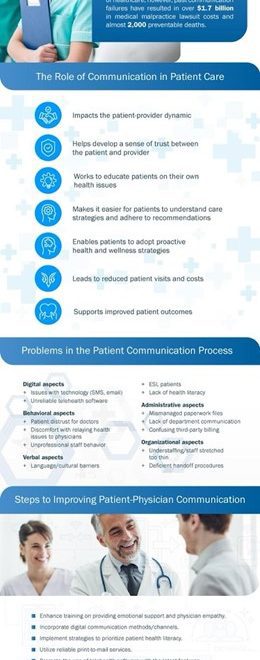
Studies reveal that approximately half of patients across all age groups desire more proactive communication from their healthcare providers. Effective communication stands as a pivotal element in delivering valuable care, fostering robust relationships, building trust, and establishing a mutually beneficial rapport. Moreover, it plays a significant role in elevating patient satisfaction, engagement, and commitment to achieving healthier outcomes. When executed proficiently, it can even contribute to a reduction in patient visits and costs for both healthcare providers and patients.
Conversely, inadequate communication often results in patients not receiving the necessary care or information. Various barriers contribute to poor communication, including behavioral factors such as discomfort in sharing information and patient distrust, as well as administrative challenges like understaffing and limited resources. Time constraints often force medical professionals to hurriedly adhere to schedules, leaving insufficient time for patients to comprehend their health issues and the appropriate measures for addressing them. Cultural and language barriers convoluted third-party billing, technological issues, and a lack of health literacy on the part of the patient further complicate physician-patient communication.
Fortunately, despite these barriers, numerous strategies can be employed to enhance relationships and communication. Incorporating the latest digital communication tools and channels, especially as telehealth capabilities advance, provides valuable resources for both parties to integrate into the overall care plan. This includes using these tools to educate patients on safeguarding their health and managing their conditions through reputable sources.
At the organizational level, investing in automation technologies proves beneficial in streamlining administrative processes, from enriching manual workflows to automating patient scheduling. Healthcare providers are encouraged to leverage reliable print-to-mail services, employ culturally competent staff and interpreters, enhance physician training in providing emotional support, and implement strategies prioritizing patient health literacy.
These approaches represent just the tip of the iceberg in the efforts of patients, care providers, and organizations to enhance communication in healthcare. For more insights into the profound impact of effective communication on patient outcomes, please refer to the accompanying resource by Postal Methods.


