






















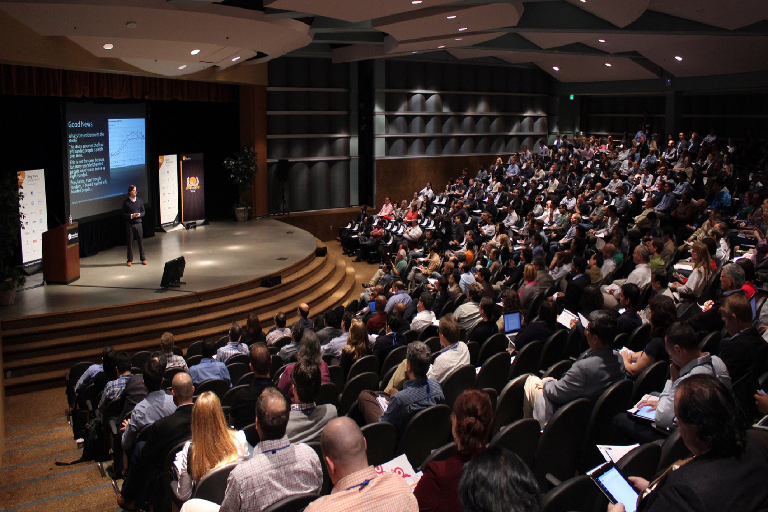








Michael Weiss, D.O., newly elected president of the Michigan Osteopathic Association, said osteopathic physicians are hungry for information on how to better manage their practices and keep up with changes driven by the Patient Protection and Affordable Care Act, or Obamacare.
“There are so many changes in how we practice medicine and run our practices, it is hard for people to keep up,” said Weiss, who also is director of the Women’s Wellness Institute and an obstetrician-gynecologist in Rochester Hills.
“Our members want to know how Obamacare is going to affect me and my practice,” he said. “We are trying to provide answers and resources for them to understand the guidelines of Obamacare.”
Weiss, who started his one-year term as president May 15, said the association also provides information to doctors on continuing medical education courts and how to comply with the changing rules of electronic medical records.
“We have an email blast monthly that has updates on electronic medical record rules, and we include presentations at our seminars,” he said.
Under the Medicare EMR Incentive Program, physicians and other eligible professionals can receive as much as $44,000 over five years to purchase and implement EHR-type information systems.
However, physicians who have waited to install their EMRs in 2013 will only receive a total of $39,000 from Medicare, dropping to $24,000 if they begin in 2014. Doctors will receive no bonus incentives if they wait until 2015, when the financial penalties go into effect.
“It is a big change for doctors to use electronic medical records,” Weiss said. “Physicians lose efficiency when they first go to EMRs. We are trying to help them and provide useful information.”
Weiss said the association also provides information to its 8,000 physician members and their practice managers on how they can improve their business practices, including providing employment contract advice.
“We have a relationship with a legal firm (Detroit-based Kerr, Russell and Weber PLC) and are trying to assist young doctors who are just starting out” and need advice on employment contracts, Weiss said. “You don’t learn much in medical school about business practices. We are unprepared when we come out.”
Weiss said most patients don’t understand the difficulty physicians encounter in running their practices, which have all the same challenges of small businesses.
“We have office staff and nurses to pay, phone, electric bills, and they aren’t free,” he said. “Michigan is 48th in the nation in reimbursement. Costs are increasing faster than reimbursement. Most patients don’t know this.”
Another critical service provided to members is lobbying of legislators and monitoring bills that could impact physicians.
Weiss said the association’s lobbyist, Kevin McKinny, president of Lansing-based McKinney & Associates, spends the week visiting with legislators and monitoring bills.
“We like to keep our members informed about anything that might impact their practice,” he said.
The association recently took a position to oppose Senate Bill 2, which would grant additional independence and prescribing authority to advanced practice nurses, including nurse practitioners, certified nurse anesthetists and certified clinical nurses.
“I don’t think nurse practitioners have the same educational background and clinical experience as physicians,” Weiss said. “If this bill allows them to do the same thing as an allopathic and osteopathic physician, it concerns me.”
The Michigan Osteopathic Association joined the Michigan State Medical Society in supporting legislation that would expand Medicaid.
Studies have shown that Michigan could save nearly $1 billion in projected health care expenditures over the next 10 years if it expands Medicaid to people with incomes up to 138 percent of the federal poverty level. An estimated 600,000 low-income uninsured people could be covered by Medicaid.
“We are trying to reach out and provide medical care for everybody. I don’t want to exclude people,” Weiss said.
Osteopathic physicians receive the same type of training that allopathic, or medical doctors, receive. They also have a focus on the musculoskeletal system that includes a technique called osteopathic manipulative treatment, which is similar to chiropractic and massage therapy.
More than 60 percent of osteopathic physicians provide primary care, and the majority accept Medicaid patients, Weiss said. Others provide care in various specialties, including surgery, radiology, emergency medicine and oncology.
Weiss received his osteopathic degree from Michigan State University College of Osteopathic Medicine and is an assistant of obstetrics and gynecology. He also trains resident physicians at McLaren Macomb Hospital.


