





























In the EMR industry sector, dealing with inaccurate patient data poses significant risks.
Electronic Health Records (EHRs) were developed to streamline processes and improve coordination throughout healthcare systems. While EHRs have generally been advantageous for adopting organizations, concerns persist regarding data accuracy. Human error remains a challenge in data entry processes. Nevertheless, advancements in the field, particularly through the integration of artificial intelligence, are making substantial progress in improving data quality within EHRs. From data validation to real-time alerts, let’s delve into how AI is playing a crucial role in fortifying healthcare data management.
The significance of data accuracy in Electronic Health Records (EHR) cannot be overstated. While a majority of healthcare organizations have embraced EHR technology, with 96% of non-federal acute care hospitals and 78% of office-based physicians adopting certified EHR as of 2021, challenges related to data accuracy have emerged.
Patient Safety is a critical concern, as inaccuracies in medication data could lead to harmful drug interactions. For instance, an EHR incorrectly indicating a patient as non-allergic to penicillin may put them at risk of a severe allergic reaction.
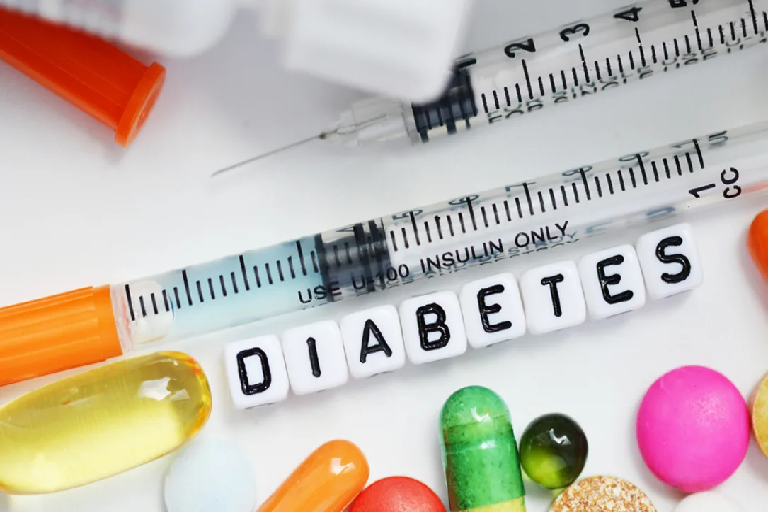
Clinical Decision-Making is another area impacted by data accuracy. Doctors often rely on EHR-stored lab results for diagnoses, and incorrect data, such as flawed blood sugar readings, can result in misdiagnoses, like diabetes.
Interoperability becomes crucial when patients transition between different healthcare facilities. Accurate data is essential for coordinating care and preventing redundant, costly, or potentially harmful duplicate tests or treatments.
Compliance with regulations is imperative, and accurate EHR records are required to avoid hefty fines during audits revealing inconsistencies or errors.
Quality of Care is influenced by the accuracy of historical surgical or medical intervention records. An incorrect record of past surgeries or implants can complicate future treatments or surgeries.
Cost-Efficiency is compromised when mislabeled lab tests in the EHR lead to unnecessary retesting, incurring additional costs and consuming valuable time.
Population Health efforts, such as disease control during outbreaks like measles or COVID-19, rely on accurate vaccination records in EHRs.
Research integrity is jeopardized if EHR data, used in longitudinal studies on conditions like heart disease, contains inaccuracies such as invalid cholesterol levels or blood pressure readings.
Patient Trust is at stake when errors in EHRs, such as incorrect medical history or misattributed test results, are discovered by patients, potentially causing them to lose trust in their healthcare providers.
While Electronic Health Record (EHR) systems represent significant progress, they are not infallible in ensuring data accuracy. Artificial Intelligence (AI) emerges as a valuable tool to bridge gaps by identifying inconsistencies, flagging errors, and maintaining precision in healthcare data.
Data Validation: AI serves as the first line of defense by enhancing the accuracy of information input into EHRs. Machine learning algorithms can cross-reference new entries with existing data, identifying inconsistencies like conflicting lab results or varying medication lists. Natural language processing (NLP) interprets doctor’s notes, converting them into standardized data fields. Additionally, AI can prompt providers to complete missing information for new entries.
Automated Coding: The complexity of medical coding makes it prone to errors. Automated coding systems leverage AI to assign accurate codes by analyzing medical records, lab results, and doctor’s notes. This minimizes human error, streamlines the coding process, and reduces the likelihood of billing errors, insurance issues, or impacts on patient care.
Anomaly Detection: AI algorithms continuously scan EHR data for outliers or irregular patterns that may indicate errors or fraudulent activity. For instance, sudden deviations in recorded blood pressure readings could trigger AI alerts, prompting a review for potential data entry errors or serious medical conditions. Anomaly detection in billing and coding can identify inconsistent charges or coding patterns indicative of mistakes or fraud.
Real-Time Alerts: Integrated with EHRs, AI systems can provide real-time alerts in critical scenarios. For example, if a prescribed medication may interact with another drug the patient is taking, the AI can flag this potential interaction, allowing the doctor to reconsider the prescription or closely monitor the patient. Alerts can extend to identifying abnormal lab results or flagging incomplete patient histories, offering an additional layer of scrutiny to crucial data.
Ensuring data accuracy in healthcare is critical, given that inaccuracies can pose severe risks to patient health, leading to misdiagnoses, improper treatment plans, and potentially fatal medication errors. However, maintaining accurate healthcare data faces several challenges:


