






















1. Know what a healthy plate looks like
You might remember the food pyramid, but the USDA recently unveiled a simpler way to help people see what they should eat each day. It’s called MyPlate. The simple graphic shows exactly how the five food groups should stack up on your plate. These are the building blocks for a healthy diet.
2. Look for important nutrients
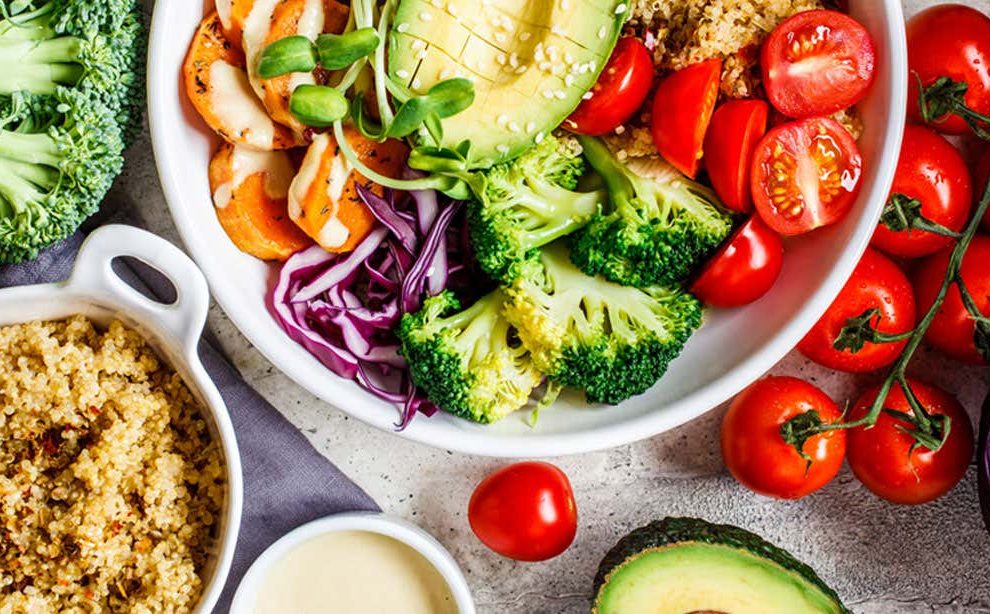
Make sure you eat a variety of foods to get all the nutrients you need. Your plate should look like a rainbow—bright, colored foods are always the best choice! A healthy meal should include:
Lean protein (lean meats, seafood, eggs, beans)
Fruits and vegetables (think orange, red, green, and purple)
Whole grains (brown rice, whole wheat pasta)
Low-fat dairy (milk and its alternatives)
Remember to choose foods that are high in fiber and low in sodium or salt. Also, look for Vitamin D, an important mineral as we age.
3. Read the Nutrition Facts label
The healthiest foods are whole foods. These are often found on the perimeter of the grocery store in the produce, meat, and dairy sections. When you do eat packaged foods, be a smart shopper! Read the labels to find items that are lower in fat, added sugars, and sodium.
4. Use recommended servings
To maintain your weight, you must eat the right amount of food for your age and body. The American Heart Association provides recommended daily servings for adults aged 60+.
5. Stay hydrated
Water is an important nutrient too! Don’t let yourself get dehydrated—drink small amounts of fluids consistently throughout the day. Tea, coffee, and water are your best choices. Keep fluids with sugar and salt at a minimum, unless your doctor has suggested otherwise.
6. Stretch your food budget
Want to get the biggest nutritional bang for your buck? The Supplemental Nutrition Assistance Program (SNAP) can help you afford healthy food when you need it. More than 4 million older Americans use SNAP to buy food, and the average senior receives $113 each month. Visit BenefitsCheckUp.org to see if the program can help you.


