


















































Events Calendar

Mon
Tue
Wed
Thu
Fri
Sat
Sun
M
T
W
T
F
S
S
1
2
3
4
5
6
7
9
11
12
13
14
16
17
19
20
21
27
28
1
2
3
4
5
6
7
Psychiatry and Psychological Disorders
2021-02-08 - 2021-02-09    
All Day
Mental health Summit 2021 is a meeting of Psychiatrist for emerging their perspective against mental health challenges and psychological disorders in upcoming future. Psychiatry is [...]
Nanotechnology and Materials Engineering
2021-02-10 - 2021-02-11    
All Day
Nanotechnology and Materials Engineering are forthcoming use in healthcare, electronics, cosmetics, and other areas. Nanomaterials are the elements with the finest measurement of size 10-9 [...]
Dementia, Alzheimers and Neurological Disorders
2021-02-10 - 2021-02-11    
All Day
Euro Dementia 2021 is a distinctive forum to assemble worldwide distinguished academics within the field of professionals, Psychology, academic scientists, professors to exchange their ideas [...]
Neurology and Neurosurgery 2021
2021-02-10 - 2021-02-11    
All Day
European Neurosurgery 2021 anticipates participants from all around the globe to experience thought provoking Keynote lectures, oral, video & poster presentations. This Neurology meeting will [...]
Biofuels and Bioenergy 2021
2021-02-15 - 2021-02-16    
All Day
Biofuels and Bioenergy biofuel is a fuel that is produced through contemporary biological processes, such as agriculture and anaerobic digestion, rather than a fuel produced [...]
Tropical Medicine and Infectious Diseases
2021-02-15 - 2021-02-16    
All Day
Tropical Disease Webinar committee members invite all the participants across the globe to take part in this conference covering the theme “Global Impact on infectious [...]
Infectious Diseases 2021
2021-02-15 - 2021-02-16    
All Day
Infection Congress 2021 is intended to honor prestigious award for talented Young Researchers, Scientists, Young Investigators, Post-Graduate Students, Post-Doctoral Fellows, Trainees in recognition of their [...]
Gastroenterology and Liver Diseases
2021-02-18 - 2021-02-19    
All Day
Gastroenterology and Liver Diseases Conference 2021 provides a chance for all the stakeholders to collect all the Researchers, principal investigators, experts and researchers working under [...]
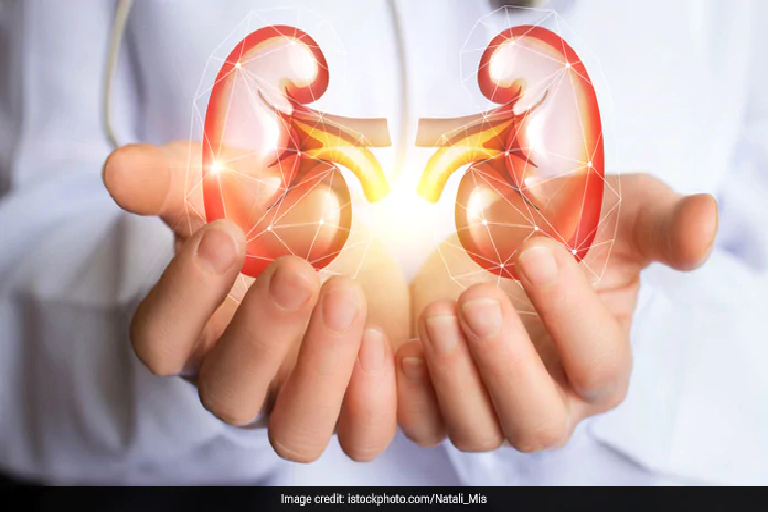
World Kidney Congress 2021
2021-02-18    
All Day
Kidney Meet 2021 will be the best platform for exchanging new ideas and research. It’s a virtual event that will grab the attendee’s attention to [...]
Agriculture & Organic farming
2021-02-22 - 2021-02-23    
All Day
                                                  [...]
Aquaculture & Fisheries
2021-02-22 - 2021-02-23    
All Day
We take the pleasure to invite all the Scientist, researchers, students and delegates to Participate in the Webinar on 13th World Congress on Aquaculture & [...]
Nanoscience and Nanotechnology 2021
2021-02-22 - 2021-02-23    
All Day
Conference Series warmly invites all the participants across the globe to attend "5th Annual Meet on Nanoscience and Nanotechnology” dated on February 22-23, 2021 , [...]
Neurology, Psychiatric disorders and Mental health
2021-02-23 - 2021-02-24    
12:00 am
Neurology, Psychiatric disorders and Mental health Summit is an idiosyncratic discussion to bring the advanced approaches and also unite recognized scholastics, concerned with neurology, neuroscience, [...]
Food and Nutrition 2021
2021-02-24    
All Day
Nutri Food 2021 reunites the old and new faces in food research to scale-up many dedicated brains in research and the utilization of the works [...]
Psychiatry and Psychological Disorders
2021-02-24 - 2021-02-25    
All Day
Mental health Summit 2021 is a meeting of Psychiatrist for emerging their perspective against mental health challenges and psychological disorders in upcoming future. Psychiatry is [...]
International Conference on  Biochemistry and Glyco Science
2021-02-25 - 2021-02-26    
All Day
Our point is to urge researchers to spread their test and hypothetical outcomes in any case a lot of detail as could be ordinary. There [...]
Biomedical, Biopharma and Clinical Research
2021-02-25 - 2021-02-26    
All Day
Biomedical research 2021 provides a platform to enhance your knowledge and forecast future developments in biomedical, bio pharma and clinical research and strives to provide [...]
Parasitology & Infectious Diseases 2021
2021-02-25    
All Day
INFECTIOUS DISEASES CONGRESS 2021 on behalf of its Organizing Committee, assemble all the renowned Pathologists, Immunologists, Researchers, Cellular and Molecular Biologists, Immune therapists, Academicians, Biotechnologists, [...]
Tissue Science and Regenerative Medicine
2021-02-26 - 2021-02-27    
All Day
Tissue Science 2021 proudly invites contributors across the globe to attend “International Conference on Tissue Science and Regenerative Medicine” during February 26-27, 2021 (Webinar) which [...]
Infectious Diseases, Microbiology & Beneficial Microbes
2021-02-26 - 2021-02-27    
All Day
Infectious diseases are ultimately caused by microscopic organisms like bacteria, viruses, fungi or parasites where Microbiology is the investigation of these minute life forms. A [...]
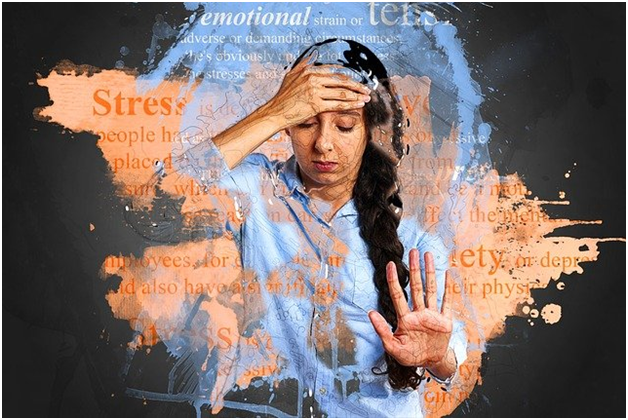
Stress Management 2021
2021-02-26    
All Day
Stress Management Meet 2021 will be a great platform for exchanging new ideas and research. It’s an online event which will grab the attendee’s attention [...]
Heart Care and Diseases 2021
2021-03-03    
All Day
Euro Heart Conference 2020 will join world-class professors, scientists, researchers, students, Perfusionists, cardiologists to discuss methodology for ailment remediation for heart diseases, Electrocardiography, Heart Failure, [...]
Gastroenterology and Digestive Disorders
2021-03-04 - 2021-03-05    
All Day
Gastroenterology Diseases is clearing a worldwide stage by drawing in 2500+ Gastroenterologists, Hepatologists, Surgeons going from Researchers, Academicians and Business experts, who are working in [...]
Environmental Toxicology and Ecological Risk Assessment
2021-03-04 - 2021-03-05    
All Day
Environmental Toxicology 2021 you can meet the world leading toxicologists, biochemists, pharmacologists, and also the industry giants who will provide you with the modern inventions [...]
Dermatology, Cosmetology and Plastic Surgery
2021-03-05 - 2021-03-06    
All Day
Market Analysis Speaking Opportunities Speaking Opportunities: We are constantly intrigued by hearing from professionals/practitioners who want to share their direct encounters and contextual investigations with [...]
Events on 2021-02-08
Events on 2021-02-18
Events on 2021-02-24
Events on 2021-03-03
Events on 2021-03-05
Articles

How a Specialist recognizes doubt manages disposition to EHR

specialist recognizes

Understanding a doctor’s decision-making process can help devise strategies to get the most benefit out of an electronic health record system.

Whether they realize it or not, all physicians perceive and react to uncertainty in their own way — and that can affect how they use their newly installed electronic health record system.

By recognizing what kind of perception they have, they might be onto the secret of why they like or dislike their EHRs, or why they use them a certain way. This recognition also can help physicians find the right EHR.

Holly Jordan Lanham, PhD, an assistant professor of medicine at the University of Texas Health Science Center, did a study that narrowed physician reaction to uncertainty to two categories, with a third category being a hybrid of both.

One category is physicians who engage in “uncertainty reduction.” These are doctors who rely heavily on documentation, both updating it and referring to it, to gain more control over what they see an uncertain situation. Another category is physicians who are “uncertainty absorbers.” They are more likely to seek more control through having deeper discussions with a patient, and are likely to see data entry as a barrier. Just by knowing how the types differ, physicians can easily identify which camp they fall into and how that affects their EHR use, Lanham said.

There are also doctors who are hybrids of both styles, and what they do bends to the situation and is harder to predict.

Physicians face uncertainty in nearly everything they do, from making a diagnosis to deciding on a treatment option, according to Lanham, who was the lead author of a study in the May 22 Journal of the American Medical Informatics Assn. that looked at how physicians’ perception of uncertainty affects EHR use.

Those most likely to enjoy using an EHR are those with an uncertainty reduction perspective, because they feel that information found within a patient’s record is of paramount importance. But that’s not to say this group is preferred over others, or provides a higher quality of care, said Lanham, who also is an investigator for the South Texas Veterans Health Care System.

“Physicians should not be afraid of these differences,” she said.

“If we can acknowledge that there are differences in how physicians view uncertainty, and if those are related to how they use electronic health record systems, and possibly other health IT, and if physicians can have conversations about those differences, that may, in and of itself, be enough to help them work through these differences versus thinking, ‘Well, they are not technologically savvy, so they don’t understand why I like this system’ or vice versa,” Lanham said.

“We have very pejorative terms to describe physicians who don’t use EHRs and who aren’t the EHR lovers, like us,” said Dean Sittig, PhD, professor in the School of Biomedical Informatics at the University of Texas Health Sciences Center and a co-author of the study. “We call them Luddites, backwards, and old, and technologically incompetent. And what I have learned is that some of these physicians who aren’t using the computer system are some of the best physicians there are. The fact that they think differently from me doesn’t make them a bad physician.”

Paper record use reveals a pattern

For uncertainty reducers, Sittig said, the EHRs likely don’t make enough information available. For the absorbers, the information isn’t valuable the way it is presented.

Lanham said that although the research looked only at physicians’ relationship to electronic records, she recognizes patterns of use that also apply to paper records. When patient records were considered the property of the physician, kept within a specific practice and used mostly as textual reminders of what happened during an exam, the differences in how physicians kept those records had less of an impact on patient care. Now, Sittig said, patient records are viewed as being owned by the patient, and they follow that patient wherever that person goes. How a physician interacts with that record could affect the decisions made by other physicians who use the patient’s record to inform their decision-making.

Lanham doesn’t think it’s impossible to get physicians to use an EHR in a different way from the way they are predisposed to using it. It just will take some work and discussions between physicians, she said. But the design of an EHR system also can affect how a physician uses it.

Physicians who are uncertainty reducers probably could benefit from add-ons to an EHR system that will deliver the best information in a short amount of time, Sittig said. Systems that provide links to studies, reference material from a diagnostic code or a medication name would be helpful.

Sittig gave an example of a pulmonologist he knew who used a prescription drug reference add-on to his EHR. Sittig questioned the need for such a tool, because the physician obviously knew a lot about the medications he routinely prescribes. The doctor’s response was that, yes, he knew a lot about medications prescribed for pulmonary conditions, but very little about medications that may be prescribed by other specialists. He wanted the most information he could get before writing a prescription.

Uncertainty absorbers would do well with systems that have free-text capabilities, Sittig said. While a pull-down menu may not allow the physician to tell the story he needs the record to tell, a brief synopsis of the patient visit written in free text might do the trick.

Sittig said physicians need to embrace the fact that medicine is no longer an individual sport but a team sport. They have to recognize that to play a team sport, you have to communicate a little differently to help your team, he said. In the EHR world, communicating differently means adjusting the way you use the patient record.


(Source)
