




























How Hospitals are Keeping Food and Cafeterias Safe During the Covid-19 Pandemic
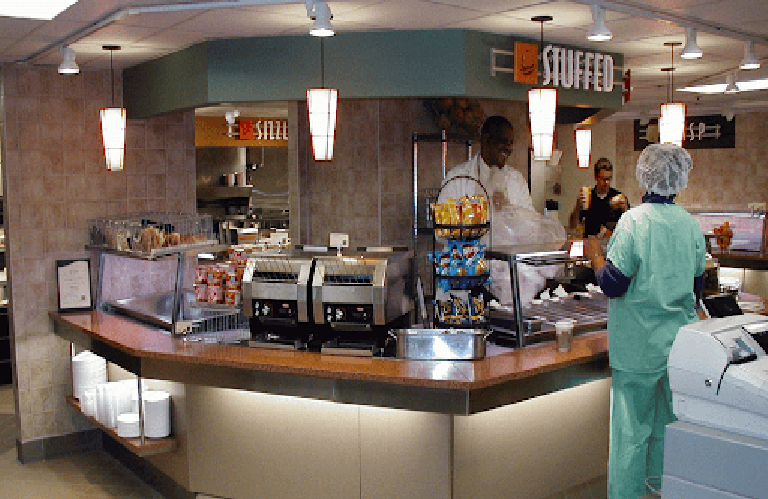
The Covid-19 pandemic has changed many aspects of daily life in and out of hospitals. One of these things is food service. Here are some of the ways hospitals are keeping food and cafeterias safe during the pandemic.
1. Maintaining Physical Distance
Since the minimum social distancing space is six feet, protocols have been put in place to maintain this distance. Depending on the cafeteria layout, the staff can implement one-way traffic, install guidelines on the floor to help people stay six feet apart or stagger staff shifts and times when customers are allowed in the cafeteria. There are ways to push this even further, too. Some hospitals have installed self-checkout devices such as computerized cashiers and internet connected vending machines. These technology options protect customers and staff by reducing the need for interaction.
2. Removing Self-service Options
Menus have been adjusted to remove self-service options such as salad bars and drink dispensers. Any self-service options tend to be replaced by “grab and go” items in coolers or vending machines where individual items can be packaged and sold separately. This reduces the spread of bacteria and viruses like SARS-CoV-2. Food sent up to patient rooms should also be packaged in sealed disposable containers instead of reusable, washable ones. Protocols are typically put in place for leftovers when customers are finished, such as disposing of any uneaten food within two hours.
3. Limiting Capacity
One of the most effective ways to increase social distancing is to limit capacity in indoor spaces. The size of the space isn’t necessarily going to change how many people are allowed in the hospital cafeteria at a time. Your hospital should follow your state’s indoor gathering guidelines. Hours may be extended to accommodate more people or more meals may be sent directly to patients’ rooms so those patients don’t need to enter the cafeteria.
4. Increasing Food Safety Protocols
While employee cleanliness and disinfecting and sanitizing surfaces and tools have always been important safety protocols in cafeterias and kitchens, these practices are more vital than ever. Handwashing frequency has been increased and customers are asked to wash or sanitize their hands before and after touching communal spaces, such as payment pads and napkin dispensers. All surfaces and tools are also sanitized even more often than before. There should be signage reminding people of the importance of handwashing posted in and around the cafeteria and any other food-related spaces such as a vending machine alcove or gift shop, too.
5. Implementing Staff Screening
Most food service establishments have implemented programs to screen staff before, and usually after, every shift. This goes for hospital kitchen staff, too. A typical screening consists of confirming the employee has not been exposed to Covid-19 without a mask or traveled out of the area in the past two weeks, checking for fever and checking for respiratory illness. Screening procedures should be available for staff, patients and visitors to review if they wish to.
Testing may be an option, but it is usually not possible to get all your staff members tested every day. Compounding this issue is the fact that rapid tests aren’t always reliable and normal tests take some time to provide results. Antibody testing isn’t currently recommended.
6. Issuing Personal Protective Equipment (PPE)
PPE is essential to keeping foodservice safe. There are times where it’s impossible to social distance from other staff members and even customers. Everyone in an enclosed space like a cafeteria should be wearing a mask. Customers should only wear a mask Staff should wear a mask and a face shield if social distancing is impossible for an extended period of time. Handwashing is more effective than wearing gloves, so food service staff don’t need to wear them more often than they would normally for preparing food. Plexiglass barriers are a good additional barrier between customers and staff.
Remember, the staff at hospitals are doing everything they can to protect patients, healthcare providers and permitted visitors during the pandemic. This includes safety precautions for the food served.


