



























How Technology Has Enhanced Healthcare
Technology has brought to life healthcare advancements that were once science fiction. Here are just a few areas in the healthcare sector that technology has improved.
Easy Access to Patient Data
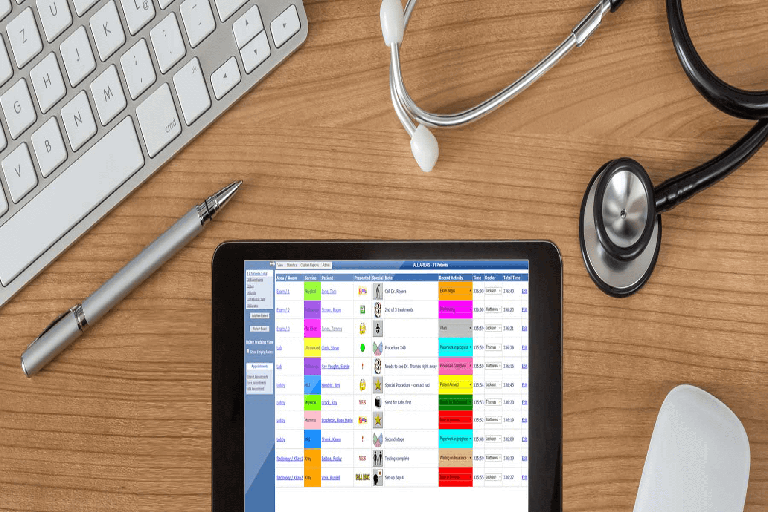
It is hard to overstate the value of technology on information access. Patients and healthcare providers alike have health data available at their fingertips. Records are stored on cloud-native applications thanks to technology such as istio service mesh. Doctors no longer need to rely on paper records stored in filing cabinets. Patients do not have to wait for X-ray images or lab results to reach their doctors’ offices through the mail. All of this information is now only a click away, allowing patients and healthcare providers to avoid delays in care.
Advanced Devices
Patients and healthcare workers can take advantage of digital devices at home or in the hospital. Digital thermometers and health trackers help people keep tabs on their health daily. In healthcare centers, high-tech equipment is everywhere. Just a few examples of advanced healthcare devices include:
- Patient bracelets with barcodes that caregivers scan to update records
- High-end digital imaging equipment
- Pacemakers that communicate with a patient’s smartphone
- 3-D printed prosthetics
- Robots that perform precision surgery
The list of high-tech devices could go on and on. It is safe to say technology has improved almost every type of device a healthcare worker uses.
Telehealth
Patients now have the option to speak to their healthcare provider virtually. Some appointments can take
place through videoconferencing. This advancement allows immunocompromised people to stay home, avoiding exposure to germs in a crowded office. It also lets people talk to their doctors from anywhere.
While some healthcare needs to occur in person, some appointments are perfect for telehealth. They include consultations, hospital follow-ups, talk therapy and more.
Better Patient Education
The internet has a treasure trove of medical information that anyone with a connection can access. Some hospitals and specialized practices put information on their websites. A digestive-health center, for example, can have a section with colonoscopy prep instructions and a list of high-fiber foods. Many university hospitals have a wide variety of common health topics, research news and other information the general public may find interesting.
Improved Communication
Some offices and hospitals have their own apps. They can include maps of each floor so that visitors can easily find a room or department. Patients may schedule appointments, request prescription refills or pay invoices through the app. Offices send text messages that remind patients of upcoming meetings. Healthcare offices can also send forms via email or through the app, letting patients register or complete a pre-screening form before a visit.
Facilities can open a patient forum for community use. People can ask their peers about their healthcare journeys and share helpful tips.
Healthcare Facility Information
Patients looking for a specialist or new doctor may appreciate any information they find online. Many people feel that it is easier to browse a website than make several phone calls.
A facility’s website can include helpful details such as:
- Doctor profiles
- Information on which physicians are accepting new patients
- Department overviews
- Symptom checkers
- Online contact forms, phone numbers, clinic addresses and fax numbers
- Hours of operation
Health Information Technology
Like most other industries, healthcare facilities need IT departments. Healthcare IT professionals keep all the technology “gears” running smoothly. They perform essential functions such as:
- Guarding patient privacy through secure networks
- Designing systems that improve patient care
- Creating apps that assist patients in meeting health goals
- Support billing systems to ensure accuracy
- Designing and maintaining computer networks
The success of healthcare technology relies on the people who keep up with the infrastructure of these electronic systems.
Final Thoughts
Every day, new technological advances happen in the field of healthcare. These improvements can enhance the lives of patients in small and large ways. With faster and more accurate information available to doctors and patients, the future of the healthcare sector looks bright.


