

































How Telecommunication Is Changing the Healthcare Sector
The healthcare sector is growing immensely, and many things are involved to ensure service delivery is at its best. Telecommunication has improved communication efficiency, boosted workplace flexibility, and improved teamwork. It refers to the transmission of information using different technologies. Wires, optical, radio, and other electromagnetic systems are used to transfer this information. Also, telecommunication has been greatly embraced in the healthcare sector, bringing several positive changes. Below are more details on how it is changing the healthcare sector.
Patients Can Now Access Medical Services Remotely
Telecommunication has made it possible for healthcare providers to offer medical services to people without requiring them to go to hospitals. With the help of voice over internet protocol or VoIP services, people living in rural areas can now access medical services without needing to travel long distances. According to VIP VoIP, “video conference appointments are now starting to be more widely used, whether for a session with a therapist or even with a G.P…this makes treatment much more accessible.”
People living with chronic conditions also benefit from this technology since they do not need to go to hospitals to monitor their vital statics occasionally. They need to measure these statistics and send the data to their physicians.
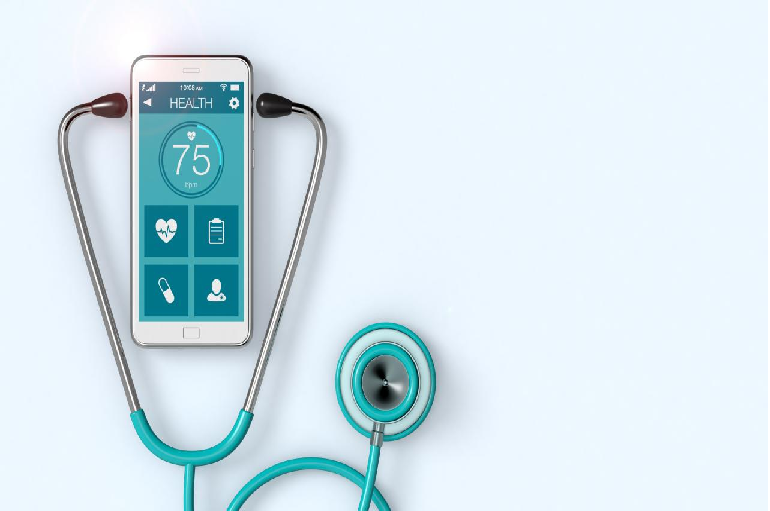
For instance, if you have diabetes, you can now measure your blood sugar, blood pressure, and oxygen saturation in your blood. Devices such as pulse oximeters, a blood pressure cuff, and weighing scales can help you do all this. If these devices are attached to a telehealth machine, the results obtained will be sent to your physician through your phone.
Telecommunication Has Led To Improved Care Coordination
For a sick person to get well, several healthcare professionals are needed. They include nurses, technicians, primary care physicians, and specialists. Each of these professionals will not interact with the patient so much. Such can lead to disconnected fragmented views of patients. To get less fragmented views of patients, healthcare providers need to improve care coordination. Otherwise, they will make costly and dangerous mistakes. For instance, lack of care coordination can result in procedure complications, medication errors, and infections.
Telemedicine is helping improve care coordination. For instance, some telecommunication technologies help integrate patients’ health information. Others help distribute this information among all authorized healthcare providers. When this information is available to all these providers, it will be hard to make medical errors or perform unnecessary tests.
Care coordination is mainly needed when dealing with patients who see several specialists and receive treatment in emergency settings. Care coordination is also needed when dealing with patients who transition between care settings.
Telecommunication Has Led To Improved Patient Education
Patient education is quite essential, and it is taking an important role in the healthcare sector. It can help improve the patients’ experience. That is why many physicians are embracing telecommunication technologies that educate patients.
In the past, patient education only relied on medical books, magazines, and other written materials. As a result, many people never knew much about different health conditions, even when suffering from them. That is not the case now since telecommunication has enabled patients to access such information on the internet. For instance, people can now access health education videos that they can watch and learn more about healthcare.
People Who Are Homebound Do Not Need To Travel To See Their Physicians
Most people recovering from a heart attack, a severe car crash, or a stroke are usually confined to a wheelchair or a bed due to their health condition. Their health conditions, however, need to be monitored by physicians. Taking such people to hospitals can be quite stressful.
Telecommunication has made it possible for the health conditions of such people to be monitored remotely. Caregivers can now monitor the conditions of these people and send the data to these people’s primary physicians.
Telecommunication is Changing Healthcare for the Better
Telecommunication technologies are now being used in the healthcare sector. They have made treatment more accessible to people living in rural areas and homebound patients. These technologies have also improved care coordination. An example of a telecommunication technology that is widely used in the healthcare sector is the VoIP system.


