




































How the Healthcare Industry is Changing in Response to COVID-19
The COVID-19 pandemic is a public health crisis of a magnitude unseen in the United States for approximately 100 years. Individuals, schools, families, and industries have all had to adapt to carry on with life while preventing the virus from spreading. Being on the front line of the virus, the healthcare industry has been one of the foremost to adapt from necessity. The changes to the industry in response to the pandemic may persist long after it is over.
Increased Telemedicine
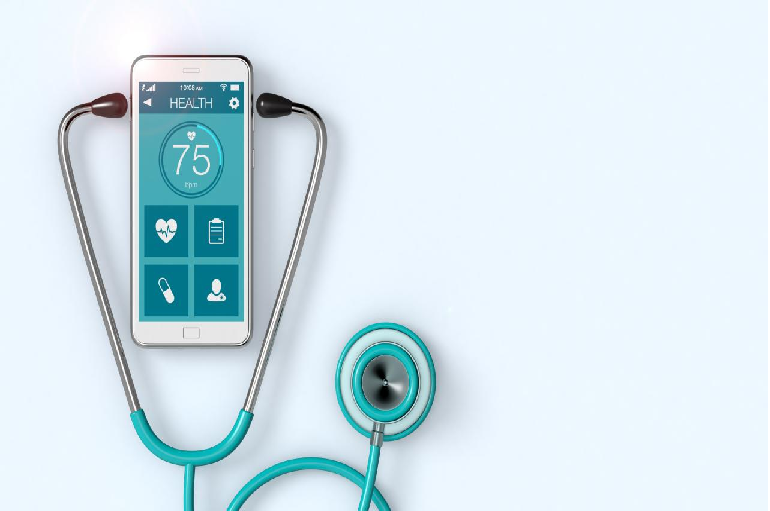
Telemedicine allows patients to connect to a physician and receive treatment recommendations via electronic communication, e.g., video chat. Certain telehealth services have been available for years, and even before the pandemic hit, the trend was to make more services available via telemedicine. However, telemedicine has expanded significantly in response to the pandemic because of hospitals overrun with COVID patients and the need to protect vulnerable patients from possible infection.
While some services will probably always have to be provided in person, telemedicine has proven easier, quicker, and safer for many services than anyone anticipated. Telehealth is expected to continue expanding following the pandemic, which raises additional issues such as network security to protect the confidentiality of telehealth sessions.
Expanded Roles
Hospitals overwhelmed by COVID patients have seen the role of physician assistants and nurse practitioners expand. This expansion is likely to continue after the pandemic is over. According to at least one expert, advanced practice nurses have the training and capability to handle up to 70% of primary care services. Permanently expanding the role of non-physicians in patient care could help practices in rural hospitals and other under served areas to treat more patients at lower costs.
Improved Preparedness
Some officials in the United States government anticipated the threat of a possible pandemic and tried to create new policies to prepare for it ahead of time. However, not everyone saw the need for such policies, and they didn’t get very close to implementation before they were abandoned. Now that everyone in the United States has witnessed firsthand the effects a pandemic can have on every aspect of life, policies intended to prepare for public health catastrophes on a similar scale may gain more traction.
Domestic Medication Production
Prior to the pandemic, many medications on which Americans rely daily were manufactured in China. When that country entered lockdown, it fueled fears of a delay in shipping the medications to the United States. At least one manufacturer of the COVID-19 vaccine has brought more of their capabilities to the U.S., and even after the pandemic, more pharmaceutical companies may follow suit.
Increased Home Health
Assisted living facilities and nursing homes were among the earliest hot spots of COVID-19 infection, both because of the community living aspect and the vulnerability of the elderly or infirm residents. The healthcare industry may see a shift away from long-term care facilities in favor of home health services that allow seniors to remain in their own homes. Some patients will probably always need around-the-clock medical services, but home health may emerge as an option for patients who wouldn’t have been considered good candidates before.
Potential Universal Healthcare
The concept of single-payer universal health care still meets with a lot of resistance from many in government for reasons that are not always clear. However, when millions of Americans lost their jobs due to the pandemic, they lost their traditional employer-based health coverage as well, adding insult to injury during a worldwide health emergency. People in government who were already calling for universal health care have only become louder and more insistent in the wake of the pandemic. It remains to be seen whether those who remain opposed to it will listen or have another viable alternative to employer-based coverage to offer.
Conclusion
The negative effects of the pandemic are wide-ranging and devastating. Nevertheless, at least some of the changes to the healthcare industry resulting from it may be positive for patients and providers alike.


