
























How to Improve Patient Safety in Hospitals as Patients are Returning
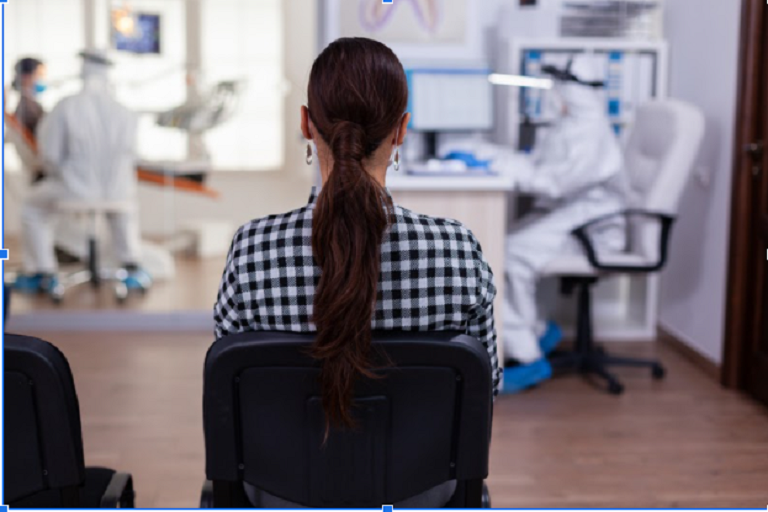
While it’s been an arduous and seemingly endless journey, it looks like the pandemic is finally behind us, at least in the U.S. Over 311 million Americans got at least one dose of the vaccine, restrictions are being eased, and people’s lives are returning to some form of normalcy. Providers have even started to open their doors for regular operations, and the main question on everyone’s minds is “how to improve patient safety in hospitals?” as patients return for in-person visits.
That being said, let’s explore what’s going on currently, some stats that show both telehealth and in-person visits are here to stay, and how to ensure quality and safety in healthcare facilities.
Some interesting stats regarding in-person visits and virtual ones
HIMSS (the Healthcare Information and Management Systems Society) conducted an interesting study – all of the 2062 participants were patients and must have had at least one medical visit within the last year. The research was conducted quickly though, between March and April of this year. Out of these participants, around half of them were part of a telehealth session and around 60% of them want to return to the “old normal”. This simply means that these patients want to return to conventional in-person visits we were familiar with before the pandemic.
However, this is quite normal, according to the director of marketing intelligence at HIMSS, Lauren Goodman.
She said that these individuals are burned out due to the pandemic and just want to return to the old normal – quite a common feeling among virtually everyone. However, she believes that while these patients are quite content with returning to in-person visits, the stats might change in the coming months since this is just a succinct summary of the current scenario.
Unsurprisingly, the younger population wants telehealth
Digging in deeper, there are no surprises as the advocates for telehealth are patients who are on the younger side – Gen Z and Millenials. Even 47% of the Millenials reported that they’d use telehealth even after the pandemic ends. On the other hand, convenience is cited as the main reason for choosing telehealth by three-quarters of the younger patients.
On the other end of the spectrum, the older population is all in for returning to in-person visits. They also have their reasons – most of them require critical care, surgeries, and constant monitoring – something that’s not possible using telehealth.
However, it looks like both of these types of patients will be able to avail whichever they prefer. The more concerning factor is how to improve patient safety in hospitals to prepare for the changes made by the pandemic.
Improving patient safety in hospitals in a post-pandemic world
Well, there are a number of strategies that are useful in improving patient safety.
Provide telehealth as an option for those who want it
One of the most obvious answers to the question “how to improve patient safety in hospitals” is quite simple – reduce patient volume by diverting them to virtual visits. It’s all about the numbers currently – the higher the patents at the healthcare facilities, the higher the chances of infection rates going up, and nobody wants that right now.
As a result, keeping the patient volume down within the hospital can drastically reduce the chances of hospital-acquired infections (HAIs), and providers don’t even have to turn down patients anymore – they can simply divert the less critical cases towards virtual sessions. As previously mentioned, the younger patients are content with telehealth, and providing them with a choice can not only improve patient safety but also enhance patient satisfaction down the line.
Focus on touchless solutions
The pandemic has forced us to think up alternative solutions – telehealth became mainstream and so did remote work. In healthcare, touchless solutions seem to be the next big thing.
Since the pandemic has already instilled fear of contracting viruses via physical touches, virtually everyone is wary about going to hospitals that are not focused on infection control. One of the best ways to reduce HAIs is by minimizing or eliminating touches – that’s what many innovators are working on. However, there are already innovative solutions employed by several healthcare providers. For instance, many are using touchless biometric patient identification platforms that reduce infection control issues, improve patient safety, and keep medical record mix-ups at bay. This can be one of the effective answers to the question ‘how to improve patient safety in hospitals” and might just be the future of healthcare – touchless.


