


















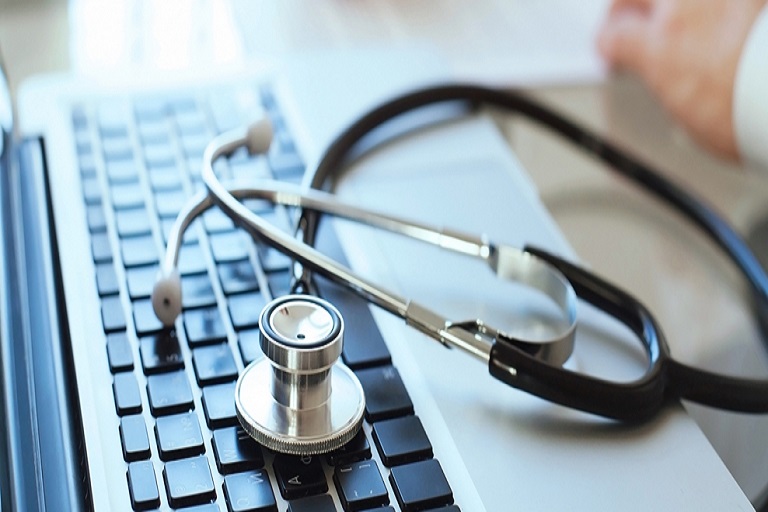






How Today’s Tech Builds Tomorrow’s Hospitals
The medical industry is easily one of the most essential industries in the modern world. The services provided by hospitals are important for not only saving lives, but also improving the quality of life for many. However, succeeding in the medical industry is far from guaranteed. There’s a lot working against the average hospital. Here’s what you need to know to keep your medical facility operating effectively.
Embracing Digital Solutions
One of the most important challenges facing the medical industry is how to keep up with and minimize the presence of paperwork. Doctors and nurses are often just as busy with record keeping as they are with interviewing their patients. However, the nature of hospitals is such that all of that data needs to be recorded, from patients’ medical records to their financial information. Therefore, finding better ways to manage that information will be key to long term success in the medical industry.
Medical Tablets
Among the first tools that needs to come into question in your average hospital is the humble clipboard. Doctors and nurses spend a lot of time taking notes on the vitals and symptoms of patients in order to make diagnoses and to prescribe treatment, and they typically do so using a clipboard and a pen. However, following this notation is necessarily a separate action, if not multiple, culminating in the storage of that information. To expedite this process, medical professionals can use a tablet computer or a rugged laptop. This can allow medical professionals to carry with them portable, digital alternatives to the traditional clipboard, and this has a couple of advantages. After an initial learning curve, tablets will allow doctors and nurses to take down pertinent information just as quickly, if not more so. More importantly, this information can then be automatically deposited into a central database. This allows data to be recorded in a much more convenient and efficient manner all while providing more accuracy, on average.
Smart Office Tech
In addition to modernizing data recording devices to digital alternatives, there’s another major way that technology can improve the data organization of your hospital. By implementing Internet of Things (IoT) devices and apps, you can create an automated data infrastructure that can further expedite the process of recording patient information. For example, smart medical equipment can transmit a patient’s vitals directly to the same central database as everything else without the need for doctors to even record the information themselves. Using a series of IoT solutions in tandem creates what is known as a smart office, and this design philosophy can help to optimize a business from the ground up by first eliminating as much of the human element as possible from menial, clerical labor.
Cybersecurity
Like any industry, the medical industry makes extensive use of online services. For starters, doctors often cooperate between facilities and practices, and this cooperation entails the sharing of sensitive medical information. Likewise, hospitals are responsible for keeping track of a lot of personal information for each patient that passes through. This presents a juicy target for hackers that has ensured that no medical facility is truly safe without taking the proper steps to set up a comprehensive cybersecurity system. This starts with a web of software designed to automatically counter many known threats, such as malware and DDoS attacks. However, networking monitoring is also an essential part of cybersecurity, because it can allow a trained eye to spot suspicious activity on the network that can allow users to anticipate imminent cyber attacks. Therefore, it takes a perfect combination of expertise and software to keep your facility and its customers safe from hackers.
Conclusion
While the medical industry is a particularly lucrative one for successful professionals, that level of success is anything but guaranteed. Medical workers are fighting an uphill battle against not only disease, but also against bureaucracy. By using these tips, you can overcome the trials and tribulations of managing a medical facility with the power of technology.


