






























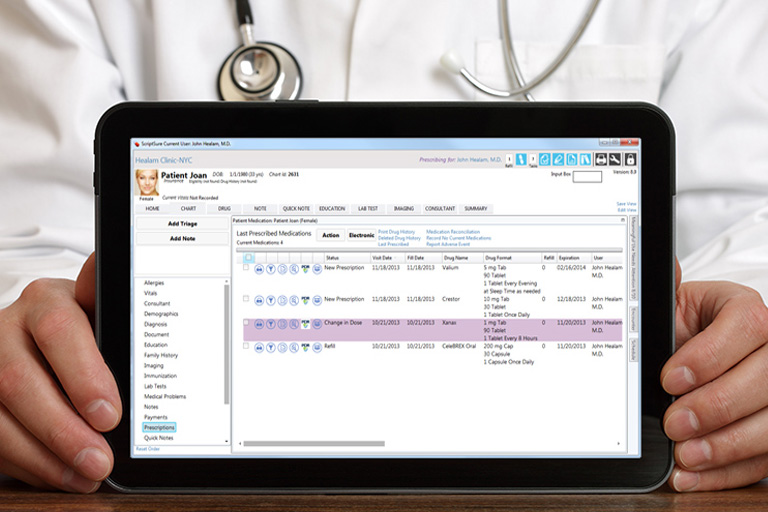
An electronic medical records (EMR) system is designed to remove or reduce paper used by your medical establishment and make records more accessible. While it should make work easier in the long term,it takes a great deal of short-term time, effort and money to accomplish. It’s a matter of doing it once and doing it right — the right investment now will pay off in the future when you don’t have to deal with errors, poor training or an otherwise inadequate system.
Instructions
Choosing a System
1. Undertake Long-term,large-scale research into exactly what kind of needs your practise has.This is expressed by things such as how much paperwork you generate, What kind of medicine you practise, What kind of treatments you routinely administer and a wide variety of other factors
2. Choose an EMR system that addresses these needs but that is also accepted by similar practices to yours. Also, you should check to make sure your EMR works with a variety of practices. The reason for this is because it will show how flexible that EMR is — there is not a single practice out there that is identical to yours, but if it can effectively work with a number of different practices then it can likely adjust to yours.
1. Undertake Long-term,large-scale research into exactly what kind of needs your practise has.This is expressed by things such as how much paperwork you generate, What kind of medicine you practise, What kind of treatments you routinely administer and a wide variety of other factors
3. Ensure that the EMR system you choose does not impact medical staff members’ lives too much. Obviously, there is going to be some change, but the basic steps they follow and daily routine should be the same — otherwise they just won’t use it.
Implementing
4. Promote or hire a team of people whose entire job is to implement the EMR. There should be a project manager to coordinate the entire project and someone involved in the medical office’s clerical functions. The EMR company will likely provide someone to advise as well.
5. Modify the workflow and facility to accommodate the EMR.
6. Develop templates for the most commonly-used procedures. This will make it easier once you are using the EMR.
7. Install a backup system. This is extremely important, as electronic data is easier to destroy all at once than paper data is.
8. Input any old data you want. This is up to you — some practices input it all, while others don’t input any. Perform a test run and go live.


