


























Is It Safe to Remove Your Wisdom Teeth?
Wisdom teeth or third molars, as they are technically called, are found at the back of your mouth and are usually the last teeth that come through when you are growing up. The majority of people will have four of them. They come up through our gum lines when we are in our late teens, and because the rest of our teeth are normally fully formed by then, there is often not enough room for them to fit into the jaw, so people can experience a lot of pain and discomfort as they grow. They can grow at funny angles, can cause severe bleeding in the gums, and sometimes may get stuck, or will only partially emerge in a phase that is known as ‘impacting’. The coronavirus pandemic has meant that many dentists have been shut for the majority of 2020, so people have been neglecting their teeth and may have been sitting at home suffering in silence without the possibility to see a dentist. This is not a wise move as the longer you wait to see a dentist the more damage you could do to your mouth. In light of this, we are going to specifically take a look at wisdom teeth, what you need to do should you be in pain, and if the worst comes to the worst are they safe to be removed? If this piques your interest, then read on to find out more.
When To See A Dentist
If you are in your late teens or early twenties then your body will still be undergoing a period of immense change as you develop from being an adolescent into an adult, and these changes often occur last in the mouth. Some people will not even notice their wisdom teeth growing through as they slot easily into place, whereas for others there will be a painful period as they try to squeeze into place through your gum line. If you find that the discomfort is too much to bear or you struggle eating properly, then the time has come to visit your dentist. Although the pandemic has made appointments hard to come by, you should go as soon as practically possible because otherwise, you risk your wisdom teeth growing at strange angles and causing further complications as you age. Your dentist will first x-ray your teeth and will then be able to assess whether there is nothing to worry about, or whether you will need surgery to correct their alignment or even remove the teeth.
Why Would Wisdom Teeth Need Removing?
There are many different reasons why your dentist may assess that you need to have your wisdom teeth removed. If they are just impacting then your dentist may allow nature to play its course, because although it can be painful, it is unlikely to cause any lasting damage, and removing them may cause future complications. On the other hand, if your wisdom teeth don’t fully impact, then compilations can be caused and this is when your dentist may look to remove them. Teeth that don’t fully break through the gum line can cause food and bacteria to get trapped which in turn can lead to tooth decay and gum diseases such as gingivitis. Pericoronitis is also a condition that you may suffer from which is an inflammation of the soft tissue around the gums, as they will be irritated by the build-up of plaque. More severe cases can cause cellulitis which is a bacterial infection of the inner cheek, and at the most extreme end of the scale, you have the danger of an abscess forming around a tooth or a cyst developing in the gums. These extreme cases are rare, but show what can happen if you don’t visit your dentist in good time. A lot of these conditions can be rectified by using antibiotic mouthwash and a regimented brushing regime, however, when these treatment plans do not work, removal of your wisdom teeth may be recommended by your dentist.
How Are They Removed?
There are two options for Wisdom teeth removal; either your dentist will perform the procedure, or you will be referred to a surgeon who will perform the operation at a hospital. General anaesthetics are not normally required so the operation will be performed under local anaesthetic, and the procedure is often over in a matter of minutes. On occasion, a small incision may be made into the gums, but often with a little bit of gentle rocking, the offending tooth will come loose. The nature of any operation means that you will experience swelling and discomfort around the areas for a few days after the operation, but this is usually nothing to worry about. If the pain or swelling lasts much longer than this it is worth seeing your dentist again, just to rule out the possibility of infection.
Is It Safe To Remove Your Wisdom Teeth?
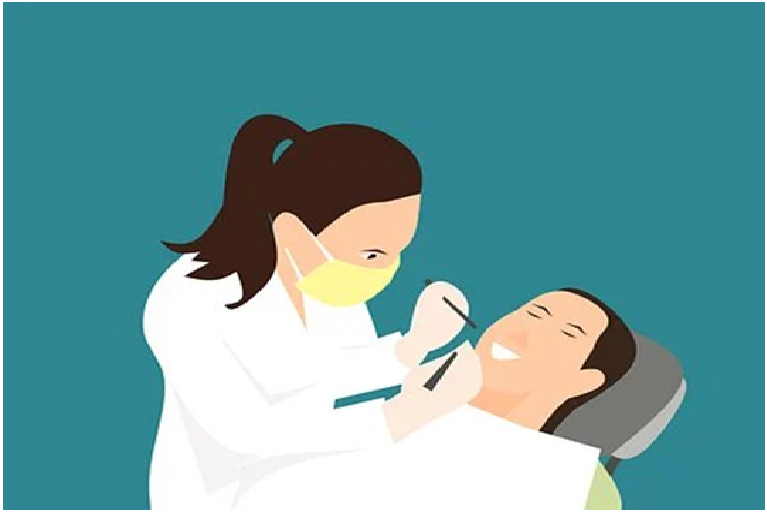
The general answer to this question is yes, it is safe to have your wisdom teeth removed. As we mentioned above there is the risk of infection as there is with any type of invasive surgery to the body, but this is rare, and if you are a smoker then you may find that the healing process takes longer than is anticipated. Other complications that can arise are ‘dry socket’ which is a strange taste or smell emanating from the empty tooth socket combined with a dull ache and you may suffer from nerve damage which may leave a tingling sensation that usually clears up in a few weeks.
As we have learned wisdom teeth normally appear during your late teens or early twenties and in rare cases, they may be impacted which means that they do not form properly and can leave a sufferer with painful teeth and gums and the inability to eat properly. In this scenario, you will need to see a dentist who may put you on a course of antibiotic mouthwash to clear up complications such as gingivitis. If your dentist does advise removal then you have nothing to worry about as the operation can be performed under local anaesthetic and rarely lasts more than 20 minutes, with minimal further complications expected.


