



















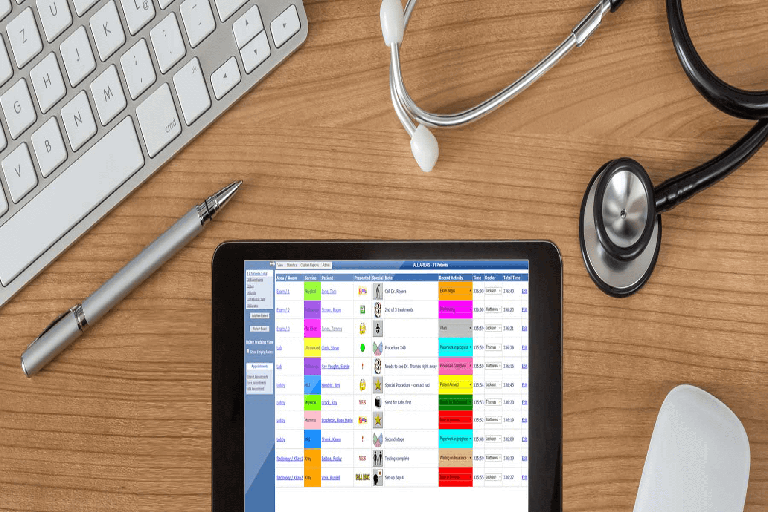








With all the fancy technology around us such as electronic medical records, medical image transfers, or telemedicine, it’s easy to forget that the priority is the patient; an individual person with unique needs, concerns, and feelings. That’s where medical collaboration comes in.
Cambridge, MA
Healthcare technology has evolved immensely in the past few years. Electronic medical records, medical image transfers, or telemedicine, it’s easy to forget that the priority is the patient; an individual person with unique needs, concerns, and feelings. That’s where medical collaboration comes in. This forward-thinking strategy asks healthcare providers to combine their collective experiences and judgment through sharing information, exchanging ideas and thoughts, and involving the patient as a valued team member. The goal is to work together as a cohesive team to maximize the individual’s health outcome.
On the surface, medical collaboration may sound similar to care coordination, but it’s actually quite different. Where care coordination focuses on numbers, medical collaboration focuses on people. Where care coordination prioritizes workflow and finances, medical collaboration centers around the patient’s well-being.
How does this relate to EMR and the technology behind it?

Electronic medical records and other innovative technologies can certainly save time and money — however it is important to keep in mind the health and well-being of the patient. When cases are translated into numbers in electronic records, institutions risk losing the patients’ identities and focusing more on numbers; number of patients, number of events, number of payments, number of discharges, number of reimbursements and more.
But if today’s trends are pushing towards the profit margins of healthcare rather than the individuals, how can we take conscious steps to ensure each patient is getting the care and treatment they deserve and need? How do we encourage medical collaboration using software and other technologies as a tool to help people?
Traditionally, several factors have prevented healthcare providers from collaborating efficiently and effectively:
- An attitude that fails to value teamwork
- Poor communication
- Disregard for patient input
- Inadequate infrastructure
Some of these obstacles will take time to overcome, but the infrastructure is in place today. With electronic medical record software and electronic medical imaging, providers can exchange data and ideas almost instantly. They can communicate thoughts and consider differential diagnoses more quickly and securely than ever before. They can develop possible treatment plans and discuss them with the patient sooner, which leads to beginning treatment sooner. And the right diagnosis, paired with the right treatment, can only help our patients heal faster while building their confidence in our abilities.
ETIAM is the only provider with a true telemedicine solution for sharing, discussion, and decision-making around the images that are critical to making the best clinical decisions. Physicians can not only access and read the images, but with ETIAM embedded video teleconferencing, they can discuss and share recommendations in real-time, from any platform, in any location.


