































Events Calendar

Mon
Tue
Wed
Thu
Fri
Sat
Sun
M
T
W
T
F
S
S
26
27
28
29
30
31
1
2
3
4
6
7
8
10
11
12
13
14
15
17
18
20
21
22
24
25
28
29
30
31
1
2
3
4
5
Food and Beverages
2021-07-26 - 2021-07-27    
12:00 am
The conference highlights the theme “Global leading improvement in Food Technology & Beverages Production” aimed to provide an opportunity for the professionals to discuss the [...]
European Endocrinology and Diabetes Congress
2021-08-05 - 2021-08-06    
All Day
This conference is an extraordinary and leading event ardent to the science with practice of endocrinology research, which makes a perfect platform for global networking [...]
Big Data Analysis and Data Mining
2021-08-09 - 2021-08-10    
All Day
Data Mining, the extraction of hidden predictive information from large databases, is a powerful new technology with great potential to help companies focus on the [...]
Agriculture & Horticulture
2021-08-16 - 2021-08-17    
All Day
Agriculture Conference invites a common platform for Deans, Directors, Professors, Students, Research scholars and other participants including CEO, Consultant, Head of Management, Economist, Project Manager [...]
Wireless and Satellite Communication
2021-08-19 - 2021-08-20    
All Day
Conference Series llc Ltd. proudly invites contributors across the globe to its World Convention on 2nd International Conference on Wireless and Satellite Communication (Wireless Conference [...]
Frontiers in Alternative & Traditional Medicine
2021-08-23 - 2021-08-24    
All Day
World Health Organization announced that, “The influx of large numbers of people to mass gathering events may give rise to specific public health risks because [...]
Agroecology and Organic farming
2021-08-26 - 2021-08-27    
All Day
Current research on emerging technologies and strategies, integrated agriculture and sustainable agriculture, crop improvements, the most recent updates in plant and soil science, agriculture and [...]
Agriculture Sciences and Farming Technology
2021-08-26 - 2021-08-27    
All Day
Current research on emerging technologies and strategies, integrated agriculture and sustainable agriculture, crop improvements, the most recent updates in plant and soil science, agriculture and [...]
CIVIL ENGINEERING, ARCHITECTURE AND STRUCTURAL MATERIALS
2021-08-27 - 2021-08-28    
All Day
Engineering is applied to the profession in which information on the numerical/mathematical and natural sciences, picked up by study, understanding, and practice, are applied to [...]
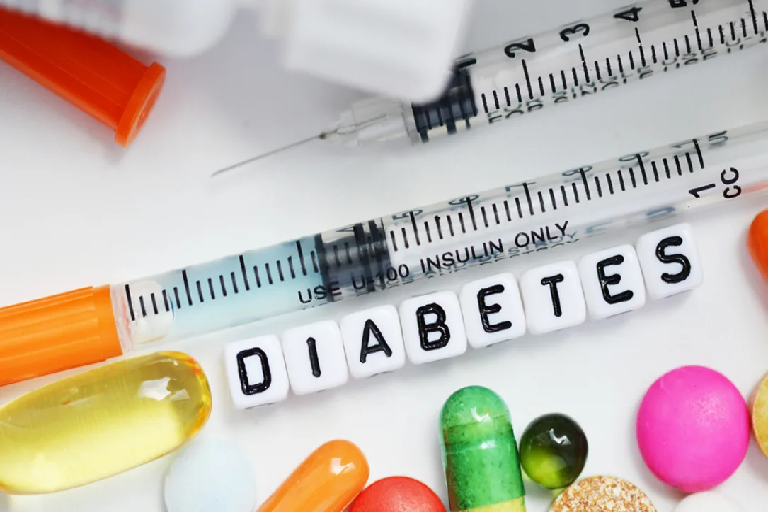
Diabetes, Obesity and Its Complications
2021-09-02 - 2021-09-03    
All Day
Diabetes Congress 2021 aims to provide a platform to share knowledge, expertise along with unparalleled networking opportunities between a large number of medical and industrial [...]
Events on 2021-07-26
Food and Beverages
26 Jul 21
Events on 2021-08-05
Events on 2021-08-09
Events on 2021-08-16
Events on 2021-08-19
Events on 2021-08-23
Events on 2021-09-02
Articles

Jul 09 : EHRs enable researchers to predict patient depression

predict patient depression
Researchers from Stanford University have demonstrated the usefulness of EHR data in predicting the diagnosis of depression up to a year in advance, according to research published in the Journal of the American Medical Informatics Association (JAMIA).
“Our results suggest the use of EHR data can improve the timely diagnosis of depression, which is associated with better prognoses when combined with prompt initiation of treatment,” the authors maintain. “Ideally, we are searching not only for models that can diagnose depression early to improve prognosis, but also for moderators that predict outcomes and enable personalized treatment. The latter requires significant work.”
The research team of Huang et al. culled data from the Epic Systems of Palo Alto Medical Foundation (PAMF) and Group Health Research Institute (GHRI) — 35,000 from the former and 5,651 from the latter. The information pulled from the EHRs comprises:
• demographic data;
• ICD-9, RxNorm, and CPT codes;
• progress notes;
• pathology, radiology, and transcription reports.
Researchers used three criteria to identify patients with depression: an ICD-9 code, the presence of a depression disorder term in the clinical text, and the presence of an anti-depressive drug ingredient term in the clinical text. They then compared cohorts of depressed and non-depressed patients in regression models to predict a diagnosis of depression, predict a response to treatment, and assess the severity of depression.
Here is what Huang et al. found:
The model for predicting diagnosis uses ICD-9 codes, disease and drug ingredient terms extracted from clinical notes, and patient demographics as features to achieve an AUC [area under the receiver operating characteristic] of 0.70–0.80 for predicting a diagnosis of depression in patients, up to 12 months before the first diagnosis of depression. Even up to a year before their diagnosis of depression, patients show patterns in their medical history that our model can detect …  In addition, our model for identifying patients with severe baseline depression achieved an AUC of 0.718 when compared against patients with minimal and mild depression.
Based on their research, the authors argue that the adequate treatment of depression relies on three factors: accurately identifying patients both with and without depression, considering the severity of the depression, and using sufficiently large samples of patient data. “These results suggest the use of EHR data can improve the timely diagnosis of depression, a disorder that primary care physicians often miss,” they conclude.
With the economic cost of depression in the United States reaching $44 billion annually as a result of direct expenses and loss of productivity, the findings of Huang et al. could prove encouraging in leveraging EHR data to treat costly chronic diseases both of the body and mind.


