



















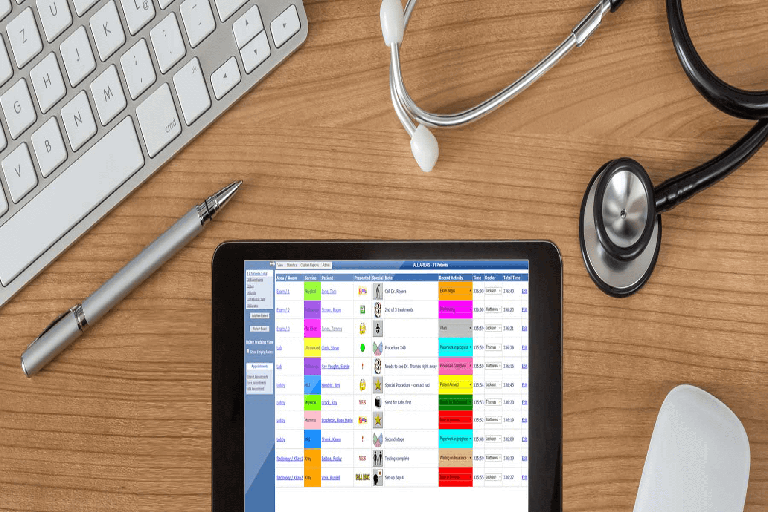









Most specialty providers have a general sense of the distance between where they stand today with ICD-10, and where they need to be when the ICD-10 transition officially occurs on October 1, 2015. The actual size of that gulf is largely a matter of the electronic medical record (EMR) in use. If the EMR will do all that it can (and should) to automate the transition, the ride to ICD-10 should be pleasantly smooth.
ICD-10 is a big topic because of the cash-flow disruptions that can follow inadequate preparation, but ICD-10 itself isn’t a big core activity. It doesn’t change care delivery, but rather simply replaces outdated ICD-9 code sets with newer, more expansive code sets that report performed procedures with far greater precision.
That means EMRs must accommodate the older codes on one side and the newer codes on the other side, while maintaining continuity of workflow with minimal disruption. Here are five key characteristics to look for to ensure that your EMR will power you through the ICD-10 transition smoothly:
- Smart searching for diagnosis codes. In addition to intelligently translating ICD-9 codes to mapped ICD-10 codes, the EMR should interpret unmapped codes and show matches with the highest level of specificity, without requiring a complex search.
- Ability to move forward at your own speed. The system should support side-by-side coding in ICD-9 and ICD-10. This enables you to generate claims with 1CD-9 up to the transition date while fostering pre-transition ICD-10 familiarization, turning it on at the time of your choosing.
- Workflow and template preservation. The EMR should not force any changes to the way your practice works in accommodating ICD-10 and should be able to automatically place codes into existing templates.
- Compliant with meaningful use as well as ICD-10. The EMR should be ONC-ACB certified for Meaningful Use (MU) Stage 2 to streamline MU reporting while integrating into existing workflow.
- Coder assistance. The emphasis on automation doesn’t mean coders should remain ignorant of ICD-10. Your EMR vendor should provide assistance, such as webinars, to get coders up to speed regarding their role in the transition.
These EMR capabilities should all be in place well before October 1, 2015. As with meeting any serious deadline, advance preparation has its rewards. With ICD-10, that reward is the ability to work out the details for complete cash flow protection—and to ensure you’re not caught scrambling at the very last minute.


