

















































Events Calendar

Mon
Tue
Wed
Thu
Fri
Sat
Sun
M
T
W
T
F
S
S
1
2
3
4
5
6
7
9
11
12
13
14
16
17
19
20
21
27
28
1
2
3
4
5
6
7
Psychiatry and Psychological Disorders
2021-02-08 - 2021-02-09    
All Day
Mental health Summit 2021 is a meeting of Psychiatrist for emerging their perspective against mental health challenges and psychological disorders in upcoming future. Psychiatry is [...]
Nanotechnology and Materials Engineering
2021-02-10 - 2021-02-11    
All Day
Nanotechnology and Materials Engineering are forthcoming use in healthcare, electronics, cosmetics, and other areas. Nanomaterials are the elements with the finest measurement of size 10-9 [...]
Dementia, Alzheimers and Neurological Disorders
2021-02-10 - 2021-02-11    
All Day
Euro Dementia 2021 is a distinctive forum to assemble worldwide distinguished academics within the field of professionals, Psychology, academic scientists, professors to exchange their ideas [...]
Neurology and Neurosurgery 2021
2021-02-10 - 2021-02-11    
All Day
European Neurosurgery 2021 anticipates participants from all around the globe to experience thought provoking Keynote lectures, oral, video & poster presentations. This Neurology meeting will [...]
Biofuels and Bioenergy 2021
2021-02-15 - 2021-02-16    
All Day
Biofuels and Bioenergy biofuel is a fuel that is produced through contemporary biological processes, such as agriculture and anaerobic digestion, rather than a fuel produced [...]
Tropical Medicine and Infectious Diseases
2021-02-15 - 2021-02-16    
All Day
Tropical Disease Webinar committee members invite all the participants across the globe to take part in this conference covering the theme “Global Impact on infectious [...]
Infectious Diseases 2021
2021-02-15 - 2021-02-16    
All Day
Infection Congress 2021 is intended to honor prestigious award for talented Young Researchers, Scientists, Young Investigators, Post-Graduate Students, Post-Doctoral Fellows, Trainees in recognition of their [...]
Gastroenterology and Liver Diseases
2021-02-18 - 2021-02-19    
All Day
Gastroenterology and Liver Diseases Conference 2021 provides a chance for all the stakeholders to collect all the Researchers, principal investigators, experts and researchers working under [...]
World Kidney Congress 2021
2021-02-18    
All Day
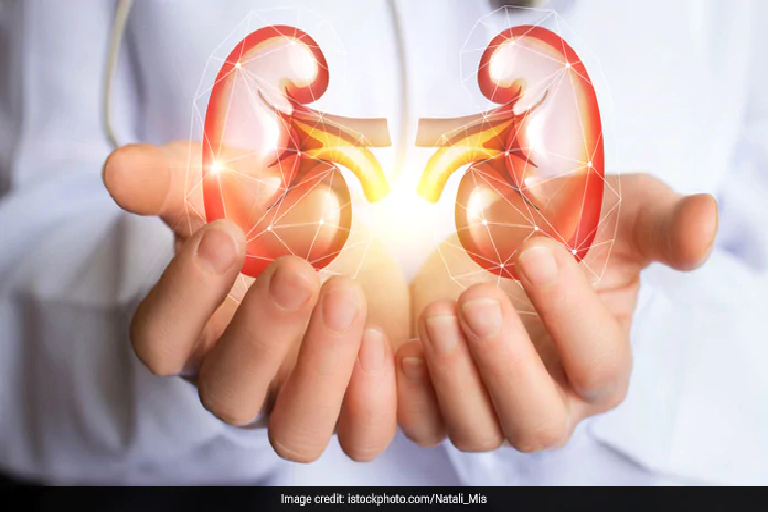
Kidney Meet 2021 will be the best platform for exchanging new ideas and research. It’s a virtual event that will grab the attendee’s attention to [...]
Agriculture & Organic farming
2021-02-22 - 2021-02-23    
All Day
                                                  [...]
Aquaculture & Fisheries
2021-02-22 - 2021-02-23    
All Day
We take the pleasure to invite all the Scientist, researchers, students and delegates to Participate in the Webinar on 13th World Congress on Aquaculture & [...]
Nanoscience and Nanotechnology 2021
2021-02-22 - 2021-02-23    
All Day
Conference Series warmly invites all the participants across the globe to attend "5th Annual Meet on Nanoscience and Nanotechnology” dated on February 22-23, 2021 , [...]
Neurology, Psychiatric disorders and Mental health
2021-02-23 - 2021-02-24    
12:00 am
Neurology, Psychiatric disorders and Mental health Summit is an idiosyncratic discussion to bring the advanced approaches and also unite recognized scholastics, concerned with neurology, neuroscience, [...]
Food and Nutrition 2021
2021-02-24    
All Day
Nutri Food 2021 reunites the old and new faces in food research to scale-up many dedicated brains in research and the utilization of the works [...]
Psychiatry and Psychological Disorders
2021-02-24 - 2021-02-25    
All Day
Mental health Summit 2021 is a meeting of Psychiatrist for emerging their perspective against mental health challenges and psychological disorders in upcoming future. Psychiatry is [...]
International Conference on  Biochemistry and Glyco Science
2021-02-25 - 2021-02-26    
All Day
Our point is to urge researchers to spread their test and hypothetical outcomes in any case a lot of detail as could be ordinary. There [...]
Biomedical, Biopharma and Clinical Research
2021-02-25 - 2021-02-26    
All Day
Biomedical research 2021 provides a platform to enhance your knowledge and forecast future developments in biomedical, bio pharma and clinical research and strives to provide [...]
Parasitology & Infectious Diseases 2021
2021-02-25    
All Day
INFECTIOUS DISEASES CONGRESS 2021 on behalf of its Organizing Committee, assemble all the renowned Pathologists, Immunologists, Researchers, Cellular and Molecular Biologists, Immune therapists, Academicians, Biotechnologists, [...]
Tissue Science and Regenerative Medicine
2021-02-26 - 2021-02-27    
All Day
Tissue Science 2021 proudly invites contributors across the globe to attend “International Conference on Tissue Science and Regenerative Medicine” during February 26-27, 2021 (Webinar) which [...]
Infectious Diseases, Microbiology & Beneficial Microbes
2021-02-26 - 2021-02-27    
All Day
Infectious diseases are ultimately caused by microscopic organisms like bacteria, viruses, fungi or parasites where Microbiology is the investigation of these minute life forms. A [...]
Stress Management 2021
2021-02-26    
All Day
Stress Management Meet 2021 will be a great platform for exchanging new ideas and research. It’s an online event which will grab the attendee’s attention [...]
Heart Care and Diseases 2021
2021-03-03    
All Day
Euro Heart Conference 2020 will join world-class professors, scientists, researchers, students, Perfusionists, cardiologists to discuss methodology for ailment remediation for heart diseases, Electrocardiography, Heart Failure, [...]
Gastroenterology and Digestive Disorders
2021-03-04 - 2021-03-05    
All Day
Gastroenterology Diseases is clearing a worldwide stage by drawing in 2500+ Gastroenterologists, Hepatologists, Surgeons going from Researchers, Academicians and Business experts, who are working in [...]
Environmental Toxicology and Ecological Risk Assessment
2021-03-04 - 2021-03-05    
All Day
Environmental Toxicology 2021 you can meet the world leading toxicologists, biochemists, pharmacologists, and also the industry giants who will provide you with the modern inventions [...]
Dermatology, Cosmetology and Plastic Surgery
2021-03-05 - 2021-03-06    
All Day
Market Analysis Speaking Opportunities Speaking Opportunities: We are constantly intrigued by hearing from professionals/practitioners who want to share their direct encounters and contextual investigations with [...]
Events on 2021-02-08
Events on 2021-02-18
Events on 2021-02-24
Events on 2021-03-03
Events on 2021-03-05
Articles

Jun 04 : Securing Mobile Healthcare Devices: Best Practices

securing mobile healthcare devices

By combining technology, best practices, and education, IT departments can safeguard even the most mobile healthcare departments.
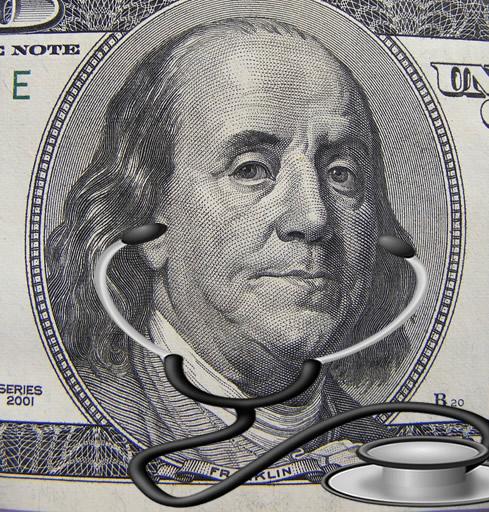
 

10 Medical Practice Management Systems For 2014

10 Medical Practice Management Systems For 2014

(Click image for larger view and slideshow.)

Insecurities lurk beneath the surface of the fast-growing world of mobile healthcare, putting data at risk. But organizations can protect patient data by implementing a mix of technologies and best practices.

The practice of using mobile devices in healthcare is growing. More than half — 51% — of physicians use tablets for professional purposes and 74% use smartphones at work. The mobile monitoring and diagnostic medical devices market will reach $8.03 billion by 2019, compared with a mere $0.65 billion in 2013, according to Transparency Market Research. This year alone 90 million wearable health devices will ship, reported ABI Research.

Add in the growing number of patients who access their records electronically, the doctors’ offices that schedule appointments via text or app, and the offices that wirelessly share data, and the message is clear: Mobile must be secure and HIPAA-compliant. That is not, however, always the case.

“The sheer number of people and devices with access to health information expands, making it much more complex for organizations to create mobile policies, manage data leakage controls, and conduct regulatory analysis,” says Mike Raggo, security evangelist at MobileIron, in an interview. “Mobile devices are ubiquitous in healthcare organizations, supporting part-time physicians and nurses working shifts that share devices. The plethora of health information accessible on these devices makes protecting against data loss challenging.”

There are, however, steps healthcare organizations can take to decrease the possibility of data loss, which typically occurs when a device itself is lost or stolen, when rogue apps siphon off data, or when an employee undertakes well-intentioned but risky actions, such as sharing files through public cloud services, he says.

Enterprise mobile management best practices include:

  • Managing all devices, as well as constantly maintaining security settings and configurations.
  • Enabling remote lock and wipe, so unauthorized users (such as ex-employees) are easily removed from the system.
  • Full device or app-by-app encryption that’s monitored and enforced.
  • Enforcement of device-level passwords.
  • Monitoring the operating system’s integrity to avoid usage of compromised versions.
  • Implementing an auto-wipe policy to minimize the risk of attacks via lost or stolen devices.
  • Secure email and attachments to prevent malware being spread from personal accounts.
  • Protecting application data by encrypting app data for operating systems such as Android or deleting app data if a device is non-compliant.
  • Prevent untrusted file-sharing apps from accessing secure documents.
  • Log devices and actions for audit.

“Recent attacks on data have certainly reinforced the need for a new generation of data security approaches. Healthcare CIOs who focus on risk mitigation through user enablement will become more prominent in the C-suite. Those that focus on risk mitigation through restriction will lose power,” Raggo says. “The former understand that security is about behavior and they reward the right behavior. The latter inevitably encourage the wrong behavior and damage both their credibility in the C-suite and the security posture of the ‘mobile first’ organization.”

In addition to best practices and technologies that address encryption, passwords, and other traditional security measures, mobile device management plays an important role in safeguarding compliance, Paul Martini, CEO and co-founder of iboss Security Network, tells InformationWeek. MDM sales are expected to reach $3.94 billion by 2019, versus $1.01 last year, Markets and Markets estimated. The expense, which has prevented some organizations from adopting the technology, is easing — more developers are in the market — and the cost of being non-compliant is too high for healthcare facilities.

“[MDM] solutions allow an organization to get a handle on mobile devices by providing tools for grouping devices, forcing device passwords, forcing storage encryption, and wiping devices if they become lost or stolen,” says Martini. “In addition, healthcare organizations should implement a BYOD policy for devices not belonging to the organization. A combination of technology and training is required to maintain a HIPPA compliant environment.”

Mobile security requires a multi-pronged approach, says Paul Trulove, vice president of products at SailPoint, in an interview.

“The combination of MDM and identity and access management (IAM) is much more powerful, as it can help align policy and establish consistent, centralized access controls across the organization. They can also tie mobile information back to the infrastructure in terms of identity data and making it part of the on-boarding and off-boarding process,” he says. “For example, if they do not wipe a person’s device once they leave an organization, the organization can potentially be liable and at risk for any data left on a person’s device.”

Technologies are not the only defense in IT’s arsenal. An educated workforce helps reduce the possibility of breaches, Martini says.

“Healthcare professionals can do simple things such as have awareness of actions and their consequences. For example, through training, professionals can be made aware that it’s not ok to email a patient record, as the transmission may not be encrypted and the destination may not be HIPPA compliant. They should avoid storing or viewing any patient documents on their personal devices. It doesn’t require high tech in order to make a big difference.”


Source
