



















































Events Calendar

Mon
Tue
Wed
Thu
Fri
Sat
Sun
M
T
W
T
F
S
S
1
2
6
7
9
10
11
12
13
14
18
19
20
21
23
27
28
30
12:00 AM - Hepatology 2021
31
1
2
3
4
Heart Care and Diseases 2021
2021-03-03    
All Day
Euro Heart Conference 2020 will join world-class professors, scientists, researchers, students, Perfusionists, cardiologists to discuss methodology for ailment remediation for heart diseases, Electrocardiography, Heart Failure, [...]
Gastroenterology and Digestive Disorders
2021-03-04 - 2021-03-05    
All Day
Gastroenterology Diseases is clearing a worldwide stage by drawing in 2500+ Gastroenterologists, Hepatologists, Surgeons going from Researchers, Academicians and Business experts, who are working in [...]
Environmental Toxicology and Ecological Risk Assessment
2021-03-04 - 2021-03-05    
All Day
Environmental Toxicology 2021 you can meet the world leading toxicologists, biochemists, pharmacologists, and also the industry giants who will provide you with the modern inventions [...]
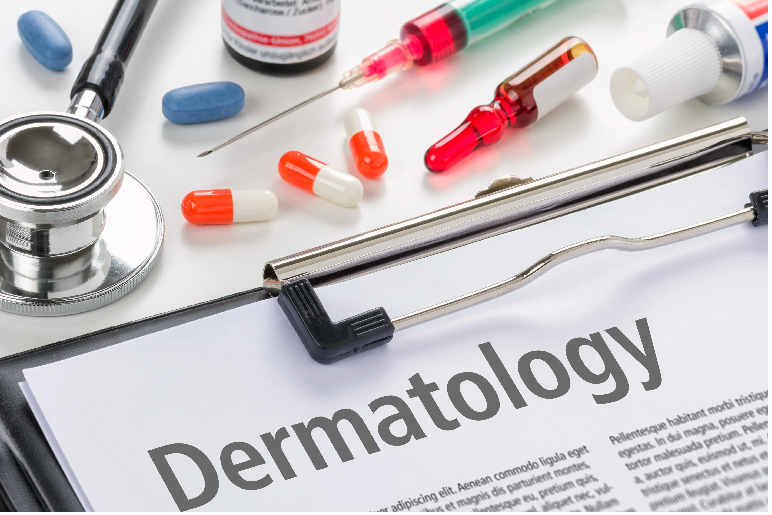
Dermatology, Cosmetology and Plastic Surgery
2021-03-05 - 2021-03-06    
All Day
Market Analysis Speaking Opportunities Speaking Opportunities: We are constantly intrigued by hearing from professionals/practitioners who want to share their direct encounters and contextual investigations with [...]
World Dental Science and Oral Health Congress
2021-03-08 - 2021-03-09    
All Day
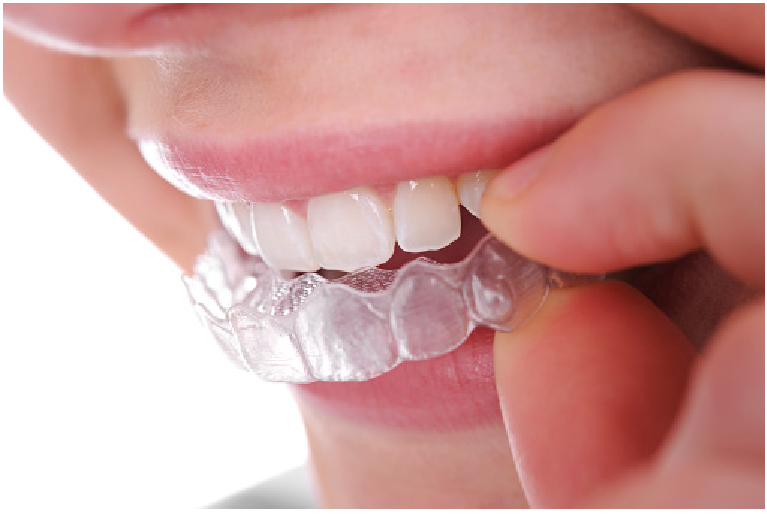
About The Webinar Conference Series LLC Ltd invites you to attend the 42nd World Dental Science and Oral Health Congress to be held in March 08-09, 2021 with the [...]
Euro Metabolomics & Systems Biology
2021-03-08 - 2021-03-09    
All Day
Euro Metabolomics 2021 will be a platform to investigate recent research and advancements that can be useful to the researchers. Metabolomics is a rapidly emerging [...]
International Summit on Industrial Engineering
2021-03-15 - 2021-03-16    
All Day
Industrial Engineering conference invites all the participants to attend International summit on Industrial Engineering during March15-16, 2021 Webinar. This has prompt keynotes, Oral talks, Poster [...]
Digital Health 2021
2021-03-15 - 2021-03-16    
All Day
The use of modern technologies and digital services is not only changing the way we communicate, they also offer us innovative ways for monitoring our [...]
Genetics and Molecular biology 2021
2021-03-15    
All Day
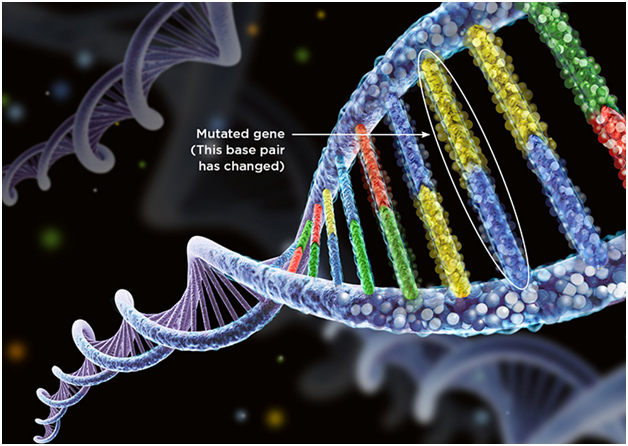
Human genetics is study of the inheritance of characteristics by children from parents. Inheritance in humans does not differ in any fundamental way from that [...]
Food Science and Food Safety
2021-03-16 - 2021-03-17    
All Day
Food Safety. It also provides the premier multidisciplinary forum for researchers, professors and educators to present and discuss the most recent innovations, trends, and concerns, [...]
Traditional and Alternative Medicine
2021-03-16 - 2021-03-17    
All Day
Traditional Medicine 2021 welcomes attendees, presenters, and exhibitors from all over the world. We are glad to invite you all to attend and register for [...]
Carbon and Advanced Energy Materials
2021-03-16 - 2021-03-17    
All Day
Materials Science 2021 was an enchanted achievement. We give incredible credits to the Organizing Committee and participants of Materials Science 2021 Conference. Numerous tributes from [...]
Advancements in Tuberculosis and Lung Diseases
2021-03-17 - 2021-03-18    
All Day
Tuberculosis is a communicable disease, caused by the infectious bacterium Mycobacterium tuberculosis. It affects the lungs and other parts of the body (brain, spine). People [...]
Herbal Medicine and Acupuncture 2021
2021-03-22 - 2021-03-23    
All Day
The event offers a best platform with its well organized scientific program to the audience which includes interactive panel discussions, keynote lectures, plenary talks and [...]
Hospital Management and Health Care
2021-03-22 - 2021-03-23    
All Day
Healthcare system refers to the totality of resource that a society distributes with in organization and health facilities delivery for the aim of upholding or [...]
Hematology and Infectious Diseases
2021-03-22 - 2021-03-23    
All Day
Hematology is the discipline concerned with the production, functions, bone marrow, and diseases which are related to blood, blood proteins. The main aim of this [...]
Aquaculture & Marine Biology
2021-03-24 - 2021-03-25    
All Day
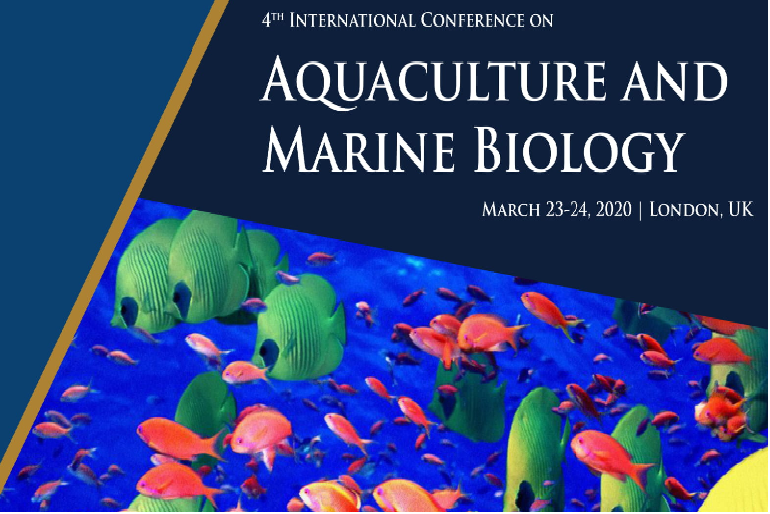
The 15th International Conference on Aquaculture & Marine Biology is delighted to welcome the participants from everywhere the planet to attend the distinguished conference scheduled [...]
Artificial Intelligence & Robotics 2021
2021-03-24 - 2021-03-25    
All Day
The Conference Series LLC Ltd organizes conferences around the world on all computer science subjects including Robotics and its related fields. Here we are happy [...]
Tissue Engineering & Regenerative Medicine
2021-03-24 - 2021-03-25    
All Day
Tissue Engineering & Regenerative Medicine mainly focuses on Stem Cell Research and Tissue Engineering. Stem cell Research includes stem cell treatment for various disease and [...]
Nursing Research and Evidence Based Practice
2021-03-25 - 2021-03-26    
12:00 am
Global Nursing Practice 2021 has been circumspectly organized with various multi and interdisciplinary tracks to accomplish the middle objective of the gathering that is to [...]
Earth & Environmental Science 2021
2021-03-26 - 2021-03-27    
All Day
Earth Science 2021 is the integration of new technologies in the field of environmental science to help Environmental Professionals harness the full potential of their [...]
Earth & Environmental Science 2021
2021-03-26 - 2021-03-27    
All Day
Earth Science 2021 is the integration of new technologies in the field of environmental science to help Environmental Professionals harness the full potential of their [...]
Nanomaterials and Nanotechnology
2021-03-26 - 2021-03-27    
All Day
Nanomaterials are the elements which have at least one spatial measurement in the size range of 1 to 100 nanometre. Nanomaterials can be produced with [...]
Smart Materials and Nanotechnology
2021-03-29 - 2021-03-30    
All Day
Smart Material 2021 clears a stage to globalize the examination by introducing an exchange amongst ventures and scholarly associations and information exchange from research to [...]
World Nanotechnology Congress 2021
2021-03-29    
All Day
Nano Technology Congress 2021 provides you with a unique opportunity to meet up with peers from both academic circle and industries level belonging to Recent [...]
Nanomedicine and Nanomaterials 2021
2021-03-29    
All Day
NanoMed 2021 conference provides the best platform of networking and connectivity with scientist, YRF (Young Research Forum) & delegates who are active in the field [...]
Hepatology 2021
2021-03-30 - 2021-03-31    
All Day
Hepatology 2021 provides a great platform by gathering eminent professors, Researchers, Students and delegates to exchange new ideas. The conference will cover a wide range [...]
Events on 2021-03-03
Events on 2021-03-05
Events on 2021-03-17
Events on 2021-03-25
Events on 2021-03-30
Hepatology 2021
30 Mar 21
Articles

Know More About The ELISA : Troubleshooting Guide

elisa troubleshooting

Know More About The ELISA : Troubleshooting Guide

The enzyme-linked immunosorbent assay, popularly called ELISA, is a biochemistry assay or test that is used to detect antigens and measure antibodies, proteins, and glycoproteins in biological samples. ELISA uses a solid-phase enzyme immunoassay (EIA) to detect if a ligand such as protein is present in a sample and if they are related to certain conditions. Proteins produced by the body in response to antigens are called antibodies.

ELISA is useful in medical diagnosis, biotechnology, plant pathology, and as a type of quality control in different industries. Examples of its uses include the diagnosis of:

• HIV infection.
• Rotavirus
• Pregnancy tests.
• Syphilis.
• Varicella-zoster virus
• Measurement of cytokines.
• Lyme diseases.
• Rocky Mountain spotted fever.
• Zika virus.
• Serum or soluble receptors in cell supernatant, etc.

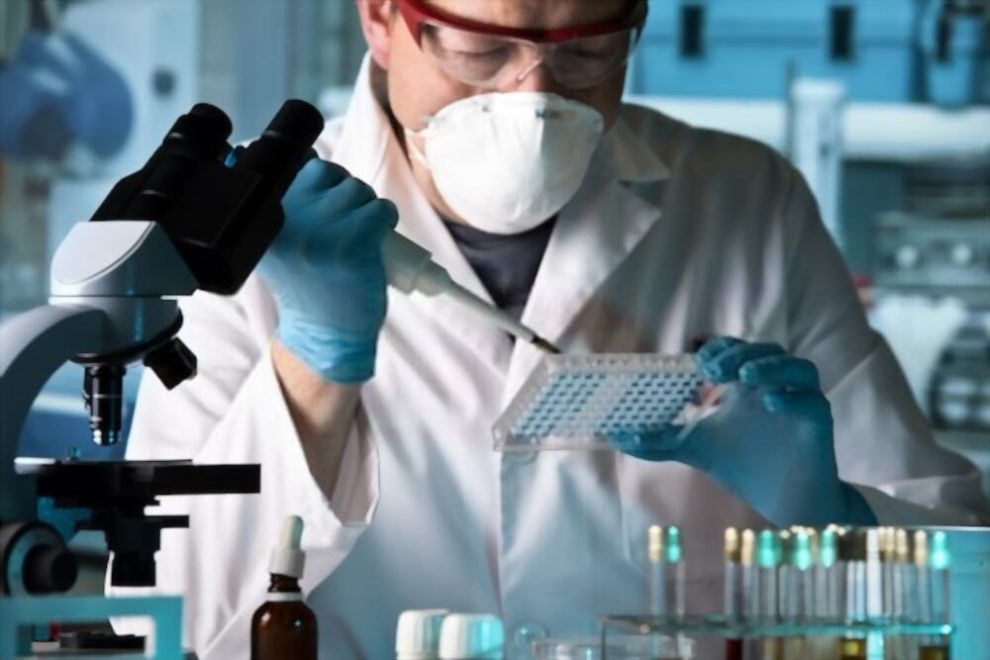
ELISA assays are typically carried out in 96 well plates which allows multiples samples to be worked on in a single experiment. The plates must be absorbent like NUNC immuno plates. This ensures that the antigen or antibody sticks to the surface.

Antigens from a sample are attached to a surface and a matching antibody is applied to the surface to bind to the antigens. The antibody is bound to an enzyme and any unbound ones are removed. After this, a substance that carries the enzyme’s substrate is added. If binding occurs, the reaction will produce visible signals which are mostly a color change that will be indicative of the amount of antigen in the sample.

Every ELISA checks for a specific antigen and involves at least an antibody. Kits are available for a wide range of antigens. You can learn more about it here.

Troubleshooting an ELISA

In performing an ELISA, there is always the possibility that issues such as low or high signals and other mistakes can come up. The good news is that there are ways to troubleshoot and remove these problems so that your assay is optimized for improved results.

See below some common areas where you can encounter problems and what can be done about it.

No or Weak Signal

Not seeing any signal or low signals can be due to many factors which can include:

• The absence of a reagent.
• Wrong, incomplete or incorrectly prepared substrates.
• A substrate that is weak, not active, or is inadequate.
• Incorrect assay temperature, poor protein to surface binding, etc.

To resolve this, there is a need to:

• Confirm that reagents are added in the proper order,
• Test the conjugate for activity,
• Use recommended incubation to bring substrates to room temperature before it is used, etc.

When checking the signal to noise ratios, you should understand procedures you can use to increase its sensitivity. There are reagents that are specifically designed to increase the ratio of signal to noise by helping reduce background noise while at the same time maintaining or increasing the signal.

High Signal

Too much signal can be as a result of:

• Insufficient washing
• Incorrect dilutions
• Incubation times that are different normal.
• Contamination of the glassware
• Substrate incubation that may have been carried out in the light
• Dirty plates
• Re-use of plate sealers and reagent reservoirs which can result in the presence of residual HRP.

Other reasons can be that:

• Precipitation is formed upon addition of substrate
• There is a concentration of salt in incubation or wash buffers

To avoid high signals in assays, you need to:

• Use appropriate procedures for washing and ensuring that the plate is inverted so it completely drains.
• Assay plates should be covered every time with fresh sealers to prevent wells from contaminating each other.
• Check the pipetting technique to be sure you are getting it right. You can find ways to stop pipetting errors here:      https://bitesizebio.com/344/17-ways-to-stop-pipetting-errors-ruining-your-experiments/.
• Use fresh TMB substrate solution ensuring that it is colorless before it is added to wells
• Use a clean V bottom container before pipetting.
• Clean the bottom of the plate
• Ensure substrate incubation is done in the dark.

High Variation

High variation can affect the results of your assay and cause inconsistencies. This can be as a result of:

• Mistakes in preparation of samples
• Pipetting errors and inconsistences
• Insufficient plate agitation

To address this, considerations should first be made to determine the optimal captured protein coating concentration and also on its stability. Reducing plate variations such as incubation times, consistent temperature of the assay, and shaker speed should be considered. Also, assay diluents can be used to address the issue of high variations.

Out of Range

This can be as a result of the samples’ incorrect dilution preparation or insufficient washing which may lead to data loss. To troubleshoot this, steps to take include:

• Using high sample volume
• Further dilution
• Using appropriate washing procedures
• Checking pipping technique
• Using the substrate immediately it is mixed.

Other kinds of issues that can affect the results of assays leading to a need for ELISA troubleshooting include:

• High background
• Poor standard curve
• Poor replicate data,
• Edge effects, etc.

Conclusion

Getting the correct results when an ELISA is performed is crucial as it is needed for making decisions that can affect a patient’s health. If you are having trouble getting correct results, there are recommended ways and tools to troubleshoot these and ultimately help patients live healthy lives.


