











































Events Calendar

Mon
Tue
Wed
Thu
Fri
Sat
Sun
M
T
W
T
F
S
S
1
2
6
7
9
10
11
12
13
14
18
19
20
21
23
27
28
30
12:00 AM - Hepatology 2021
31
1
2
3
4
Heart Care and Diseases 2021
2021-03-03    
All Day
Euro Heart Conference 2020 will join world-class professors, scientists, researchers, students, Perfusionists, cardiologists to discuss methodology for ailment remediation for heart diseases, Electrocardiography, Heart Failure, [...]
Gastroenterology and Digestive Disorders
2021-03-04 - 2021-03-05    
All Day
Gastroenterology Diseases is clearing a worldwide stage by drawing in 2500+ Gastroenterologists, Hepatologists, Surgeons going from Researchers, Academicians and Business experts, who are working in [...]
Environmental Toxicology and Ecological Risk Assessment
2021-03-04 - 2021-03-05    
All Day
Environmental Toxicology 2021 you can meet the world leading toxicologists, biochemists, pharmacologists, and also the industry giants who will provide you with the modern inventions [...]
Dermatology, Cosmetology and Plastic Surgery
2021-03-05 - 2021-03-06    
All Day
Market Analysis Speaking Opportunities Speaking Opportunities: We are constantly intrigued by hearing from professionals/practitioners who want to share their direct encounters and contextual investigations with [...]
World Dental Science and Oral Health Congress
2021-03-08 - 2021-03-09    
All Day
About The Webinar Conference Series LLC Ltd invites you to attend the 42nd World Dental Science and Oral Health Congress to be held in March 08-09, 2021 with the [...]
Euro Metabolomics & Systems Biology
2021-03-08 - 2021-03-09    
All Day
Euro Metabolomics 2021 will be a platform to investigate recent research and advancements that can be useful to the researchers. Metabolomics is a rapidly emerging [...]
International Summit on Industrial Engineering
2021-03-15 - 2021-03-16    
All Day
Industrial Engineering conference invites all the participants to attend International summit on Industrial Engineering during March15-16, 2021 Webinar. This has prompt keynotes, Oral talks, Poster [...]
Digital Health 2021
2021-03-15 - 2021-03-16    
All Day
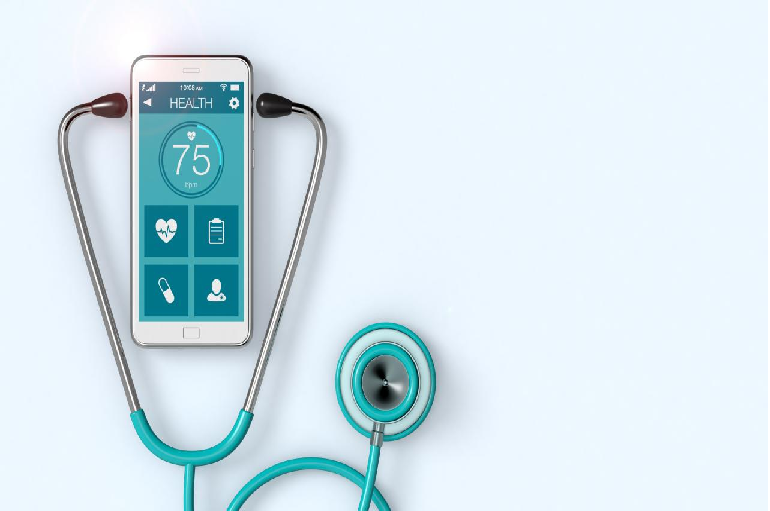
The use of modern technologies and digital services is not only changing the way we communicate, they also offer us innovative ways for monitoring our [...]
Genetics and Molecular biology 2021
2021-03-15    
All Day
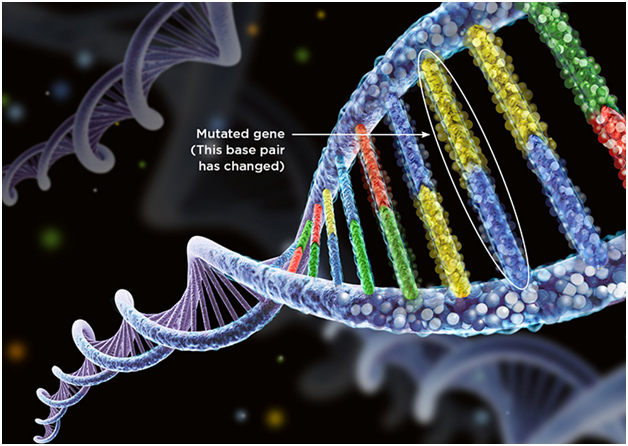
Human genetics is study of the inheritance of characteristics by children from parents. Inheritance in humans does not differ in any fundamental way from that [...]
Food Science and Food Safety
2021-03-16 - 2021-03-17    
All Day
Food Safety. It also provides the premier multidisciplinary forum for researchers, professors and educators to present and discuss the most recent innovations, trends, and concerns, [...]
Traditional and Alternative Medicine
2021-03-16 - 2021-03-17    
All Day
Traditional Medicine 2021 welcomes attendees, presenters, and exhibitors from all over the world. We are glad to invite you all to attend and register for [...]
Carbon and Advanced Energy Materials
2021-03-16 - 2021-03-17    
All Day
Materials Science 2021 was an enchanted achievement. We give incredible credits to the Organizing Committee and participants of Materials Science 2021 Conference. Numerous tributes from [...]
Advancements in Tuberculosis and Lung Diseases
2021-03-17 - 2021-03-18    
All Day
Tuberculosis is a communicable disease, caused by the infectious bacterium Mycobacterium tuberculosis. It affects the lungs and other parts of the body (brain, spine). People [...]
Herbal Medicine and Acupuncture 2021
2021-03-22 - 2021-03-23    
All Day
The event offers a best platform with its well organized scientific program to the audience which includes interactive panel discussions, keynote lectures, plenary talks and [...]
Hospital Management and Health Care
2021-03-22 - 2021-03-23    
All Day
Healthcare system refers to the totality of resource that a society distributes with in organization and health facilities delivery for the aim of upholding or [...]
Hematology and Infectious Diseases
2021-03-22 - 2021-03-23    
All Day
Hematology is the discipline concerned with the production, functions, bone marrow, and diseases which are related to blood, blood proteins. The main aim of this [...]
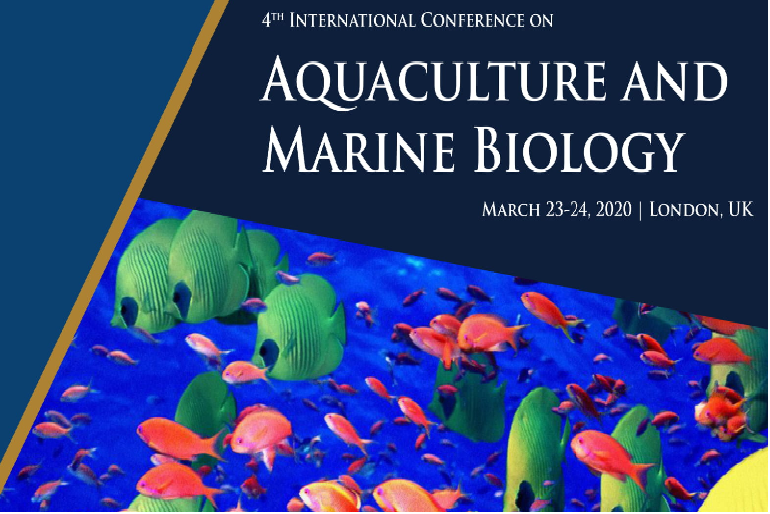
Aquaculture & Marine Biology
2021-03-24 - 2021-03-25    
All Day
The 15th International Conference on Aquaculture & Marine Biology is delighted to welcome the participants from everywhere the planet to attend the distinguished conference scheduled [...]
Artificial Intelligence & Robotics 2021
2021-03-24 - 2021-03-25    
All Day
The Conference Series LLC Ltd organizes conferences around the world on all computer science subjects including Robotics and its related fields. Here we are happy [...]
Tissue Engineering & Regenerative Medicine
2021-03-24 - 2021-03-25    
All Day
Tissue Engineering & Regenerative Medicine mainly focuses on Stem Cell Research and Tissue Engineering. Stem cell Research includes stem cell treatment for various disease and [...]
Nursing Research and Evidence Based Practice
2021-03-25 - 2021-03-26    
12:00 am
Global Nursing Practice 2021 has been circumspectly organized with various multi and interdisciplinary tracks to accomplish the middle objective of the gathering that is to [...]
Earth & Environmental Science 2021
2021-03-26 - 2021-03-27    
All Day
Earth Science 2021 is the integration of new technologies in the field of environmental science to help Environmental Professionals harness the full potential of their [...]
Earth & Environmental Science 2021
2021-03-26 - 2021-03-27    
All Day
Earth Science 2021 is the integration of new technologies in the field of environmental science to help Environmental Professionals harness the full potential of their [...]
Nanomaterials and Nanotechnology
2021-03-26 - 2021-03-27    
All Day
Nanomaterials are the elements which have at least one spatial measurement in the size range of 1 to 100 nanometre. Nanomaterials can be produced with [...]
Smart Materials and Nanotechnology
2021-03-29 - 2021-03-30    
All Day
Smart Material 2021 clears a stage to globalize the examination by introducing an exchange amongst ventures and scholarly associations and information exchange from research to [...]
World Nanotechnology Congress 2021
2021-03-29    
All Day
Nano Technology Congress 2021 provides you with a unique opportunity to meet up with peers from both academic circle and industries level belonging to Recent [...]
Nanomedicine and Nanomaterials 2021
2021-03-29    
All Day
NanoMed 2021 conference provides the best platform of networking and connectivity with scientist, YRF (Young Research Forum) & delegates who are active in the field [...]
Hepatology 2021
2021-03-30 - 2021-03-31    
All Day
Hepatology 2021 provides a great platform by gathering eminent professors, Researchers, Students and delegates to exchange new ideas. The conference will cover a wide range [...]
Events on 2021-03-03
Events on 2021-03-05
Events on 2021-03-17
Events on 2021-03-25
Events on 2021-03-30
Hepatology 2021
30 Mar 21
Latest News

‘Liquid biopsy’ predicts lymphoma therapy success within days

ohios

A blood test can predict which patients with a type of cancer called diffuse large B cell lymphoma are likely to respond positively to initial therapy and which are likely to need more aggressive treatment, according to a multicenter study led by researchers at the Stanford University School of Medicine.

The study validates the clinical usefulness of tracking the rise and fall of circulating tumor .DNA, or ctDNA, in the blood of patients before and after therapy. It suggests that clinicians may soon be able to determine how a patient is responding to treatment within days or weeks of starting therapy rather than waiting until therapy is completed five to six months later.

“Although conventional therapy can cure the majority of patients with even advanced B cell lymphomas, some don’t respond to initial treatment,” said associate professor of medicine Ash Alizadeh, MD, PhD. “But we don’t know which ones until several months have passed. Now we can predict nonresponders within 21 days after the initiation of treatment by tracking the levels of ctDNA in a patient’s blood. We can look earlier and make a reliable prediction about outcome.”

The study was published online Aug. 20 in the Journal of Clinical Oncology. Alizadeh shares senior authorship with associate professor of radiation oncology Maximilian Diehn, MD, PhD. Instructor of medicine David Kurtz, MD, PhD, and postdoctoral scholar Florian Scherer, MD, are the lead authors.

Varying responses to treatment

Diffuse large B cell lymphoma, a blood cancer, is the most common type of non-Hodgkin lymphoma. Because it is highly biologically variable, patients vary widely in their response to treatment. Although most people are cured by conventional therapy, about one-third are not. Being able to predict early in the course of treatment those who will need additional or more aggressive therapies would be a significant boon to both clinicians and patients.

Circulating tumor DNA is released into the blood by dying cancer cells. Learning to pick out and read these DNA sequences among the thousands or even millions of other noncancerous sequences in the blood can provide valuable insight into the course of the disease and the effectiveness of therapy. Recently, Diehn and Alizadeh showed that ctDNA tracking can also predict lung cancer recurrence weeks or months before any clinical symptoms arise.

“Combined with our recent study on lung cancer, our new findings speak to the power and likely utility of using ctDNA to assess how well cancer treatments are working in an individual patient. We are very hopeful that the approach will ultimately be extensible to most if not all cancer types,” Diehn said.

In this study, the researchers tracked ctDNA levels in 217 people with diffuse large B cell lymphoma who were treated at six medical centers — three in the United States and three in Europe. For each patient, they compared levels of ctDNA before treatment began with the levels after the first and second rounds of conventional chemotherapy. They then correlated those changes with each patient’s outcome.

They found that ctDNA was detectable prior to the initiation of therapy in 98 percent of the people studied. And, as would be expected, the amount of ctDNA in the blood dropped in all patients once treatment began. But the precipitousness of the decline varied. Those people whose ctDNA levels dropped a hundredfold after the first round or three-hundredfold by the second round were much more likely to live 24 months or more without experiencing a recurrence of their disease than those whose ctDNA levels declined more slowly.

“We found that ctDNA levels serve as a very sensitive and specific biomarker of response to therapy within as few as 21 days,” Kurtz said. “Every year, about 30,000 people in the United States are diagnosed with diffuse large B cell lymphoma and, for the most part, they’re treated with six cycles of combination therapy. But we know that not all patients need six cycles. A large fraction could be cured with fewer cycles — maybe even just two. If we can identify those people who are responding extremely well, we could spare them additional treatments. Conversely, we could intensify the therapy or seek other options for those who are not responding as well as we would have hoped.”

Hopes for expansion

The researchers are encouraged that they saw a similar correlation between changes in ctDNA levels and outcomes in patients from each of the six participating medical centers, confirming the global usefulness of the analysis. They’re currently planning a clinical trial based on the results, and they’re eager to learn whether they can make similar predictions about the prognoses of patients other than those with diffuse large B cell lymphomas.

“These findings confirm the value of tracking cancer genetics in the blood in real time,” Alizadeh said. “We are thinking about how to use the tools to best benefit patients, and are very excited to test this approach in other types of cancers.”

The work is an example of Stanford Medicine’s focus on precision health, the goal of which is to anticipate and prevent disease in the healthy and precisely diagnose and treat disease in the ill.

Other Stanford authors of the study are research assistants Michael Jin and Alexander Craig; visiting student researcher Joanne Soo; postdoctoral scholars Mohammad Esfahani, PhD, and Jacob Chabon, PhD; bioinformatics scientist Henning Stehr, PhD; laboratory manager Chih Long Liu, PhD; professor of biomedical data science and of statistics Robert Tibshirani, PhD; assistant professor of medicine Lauren Maeda, MD; assistant professor of medicine Neel Gupta, MD; assistant professor of medicine Michael Khodadoust, MD, PhD; professor of medicine Ranjana Advani, MD;  professor of medicine Ronald Levy, MD; and assistant professor of biomedical data science Aaron Newman, PhD.

Authors from University Hospital Essen, Germany; Hopitaux Universitaires Henri Mondor, France; Centre Hospitalier Universitaire, France; the MD Anderson Cancer Center; the National Cancer Institute; the University of Eastern Piedmont, Italy; and the Oncology Institute of Southern Switzerland and the Institute of Oncology Research, Switzerland, also contributed to the study.

Alizadeh is a member of the Stanford Child Health Research Institute, the Stanford Institute for Stem Cell Biology and Regenerative Medicine, the Stanford Cancer Institute and Stanford Bio-X.

The research was supported by the National Institutes of Health (grant 1DP2CA186569), the Damon Runyon Cancer Research Foundation, the American Society of Hematology, the V Foundation for Cancer Research, the German Research Foundation, the Conquer Cancer Foundation, the Emerson Collective Cancer Research Fund, a Stinehart/Reed award, a Stanford TRAM pilot grant and the Ludwig Institute for Cancer Research.

Stanford’s Department of Medicine also supported the work.


