






























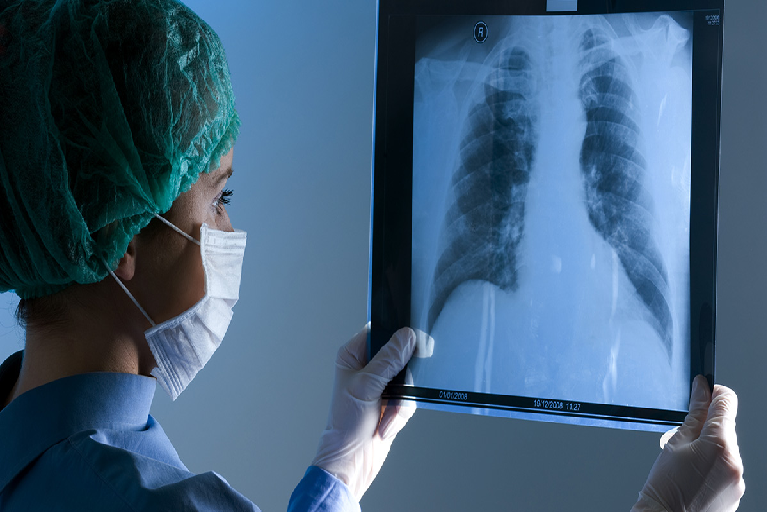
Lung cancer diagnoses have declined due to COVID-19, patient education and awareness must be part of the response
While there remain many unknowns about COVID-19, one thing already appears certain: it will continue to impact our lives and the healthcare space moving forward.
The pandemic is having a profound effect on the oncology community, where alarming declines in new cancer diagnoses across the US have experts predicting a large increase in excess cancer deaths as a result of the significant disruption to care caused by the COVID-19 pandemic.
Lung cancer is no exception to this trend. As of July 2020, new lung cancer diagnoses have declined by about 23% on average in the US, based on the average percent decline in lung cancer diagnosis rates from January 2019 to February 2020. Since lung cancer is the leading cause of cancer death in the US, this trend is especially troubling. As health experts have noted, there is nothing to suggest that these declines are the result of fewer people developing lung cancer. Rather, the data suggest that more people are living with undiagnosed lung cancer and as a result, facing significant delays in treatment. For many, this will mean their disease will go undiagnosed and untreated until it has reached advanced stages when treatment options may be limited and outcomes are poorer. This is indeed troubling and has the potential to impact the recent improvement in lung cancer survival we have seen.
The good news is that even as the US continues to grapple with COVID-19, hospitals and healthcare systems are working to restore cancer care, including resuming screening programs and diagnostic services, and reallocating staff and resources thrown into disarray by the pandemic. While this work is undeniably essential, it is still only one half of the equation. If we truly mean to curb this troubling trend in lung cancer, our response must also include patients—that means providing the education and support needed to ensure they are engaging with and accessing care. Here’s why:
In an effort to flatten the curve of the pandemic and reduce the overburdening of the US healthcare system, early responses to the rising COVID-19 pandemic focused on prioritizing emergency services and delaying elective or preventative care. This resulted in the reduction or suspension of many screening programs and diagnostic services, as well as other routine care. The lack of accessibility, coupled with individuals’ own fears and concerns over exposure to the virus, has left a clear impact on health-seeking behavior—with many people stopping or delaying visits with their doctor outside of medical emergencies.
As we look to restore cancer care to pre-COVID-19, this change in behavior is cause for concern, especially for those at risk of or potentially living with undiagnosed lung cancer. Because the more obvious symptoms of lung cancer often do not appear until the disease has advanced or spread, regular visits with a healthcare provider and screening for those at increased risk are critical to diagnosing the disease earlier when treatment is more likely to be effective.
That is why engaging with patients must be a fundamental part of our response to the decline in lung cancer diagnoses, as failure to do so could mean continued delays in care despite efforts to increase the availability of services.
So, what does this engagement look like?
As a community, we need to remind each other that while many aspects of life may feel as if they are on hold due to COVID-19, cancer does not pause for a pandemic. We need to help patients navigate their concerns about COVID-19 in the larger context of their overall health. This includes providing reassurance that hospitals and healthcare systems are taking the utmost precautions to mitigate risk of exposure to COVID-19, while providing uninterrupted care. And for those at risk of lung cancer, it’s critical that we help them understand that the risk of COVID-19 must be balanced against the risk of disease progression, and that in most cases lung cancer still represents the greater risk of mortality. Most importantly, we need to encourage and enable communication between patients and their healthcare providers, so they can work together to ensure they are receiving the appropriate care.
As the pandemic continues, recommendations around care are continuing to change and evolve. Continuing to engage with and educate patients will be critical to ensuring the prevention of additional excess lung cancer deaths. Because while increasing access to routine care and screening is imperative, the efforts will only be effective if patients are aware of and empowered to access them.


