

















































Events Calendar

Mon
Tue
Wed
Thu
Fri
Sat
Sun
M
T
W
T
F
S
S
1
2
6
7
9
10
11
12
13
14
18
19
20
21
23
27
28
30
12:00 AM - Hepatology 2021
31
1
2
3
4
Heart Care and Diseases 2021
2021-03-03    
All Day
Euro Heart Conference 2020 will join world-class professors, scientists, researchers, students, Perfusionists, cardiologists to discuss methodology for ailment remediation for heart diseases, Electrocardiography, Heart Failure, [...]
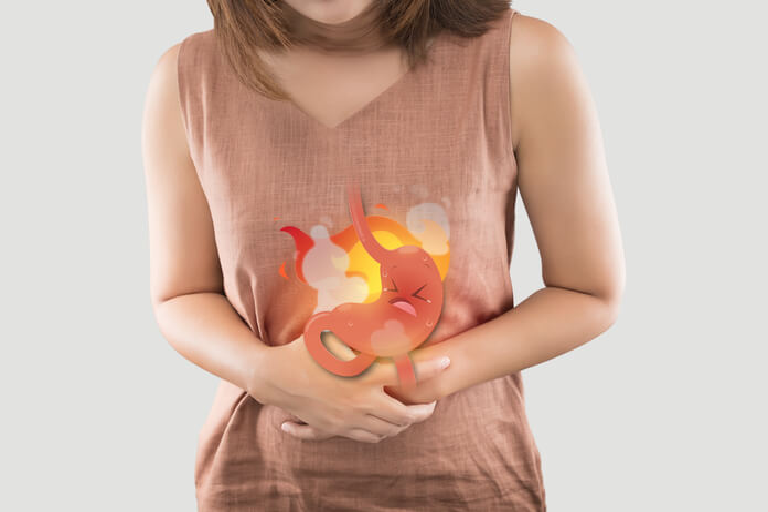
Gastroenterology and Digestive Disorders
2021-03-04 - 2021-03-05    
All Day
Gastroenterology Diseases is clearing a worldwide stage by drawing in 2500+ Gastroenterologists, Hepatologists, Surgeons going from Researchers, Academicians and Business experts, who are working in [...]
Environmental Toxicology and Ecological Risk Assessment
2021-03-04 - 2021-03-05    
All Day
Environmental Toxicology 2021 you can meet the world leading toxicologists, biochemists, pharmacologists, and also the industry giants who will provide you with the modern inventions [...]
Dermatology, Cosmetology and Plastic Surgery
2021-03-05 - 2021-03-06    
All Day
Market Analysis Speaking Opportunities Speaking Opportunities: We are constantly intrigued by hearing from professionals/practitioners who want to share their direct encounters and contextual investigations with [...]
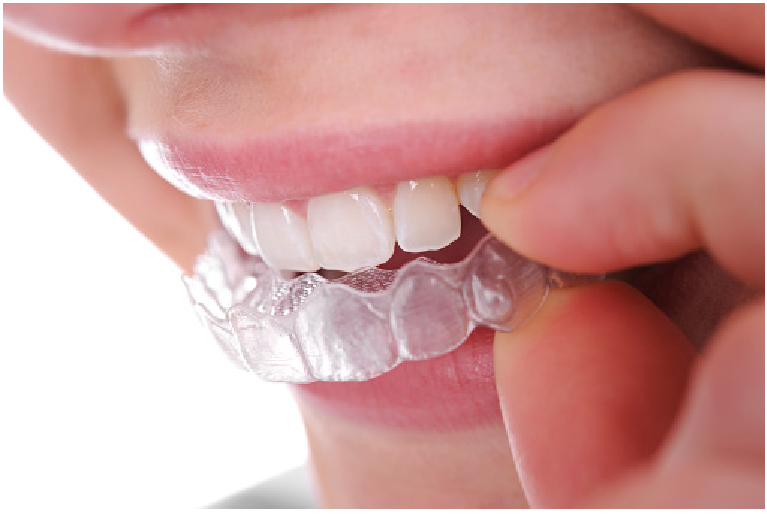
World Dental Science and Oral Health Congress
2021-03-08 - 2021-03-09    
All Day
About The Webinar Conference Series LLC Ltd invites you to attend the 42nd World Dental Science and Oral Health Congress to be held in March 08-09, 2021 with the [...]
Euro Metabolomics & Systems Biology
2021-03-08 - 2021-03-09    
All Day
Euro Metabolomics 2021 will be a platform to investigate recent research and advancements that can be useful to the researchers. Metabolomics is a rapidly emerging [...]
International Summit on Industrial Engineering
2021-03-15 - 2021-03-16    
All Day
Industrial Engineering conference invites all the participants to attend International summit on Industrial Engineering during March15-16, 2021 Webinar. This has prompt keynotes, Oral talks, Poster [...]
Digital Health 2021
2021-03-15 - 2021-03-16    
All Day
The use of modern technologies and digital services is not only changing the way we communicate, they also offer us innovative ways for monitoring our [...]
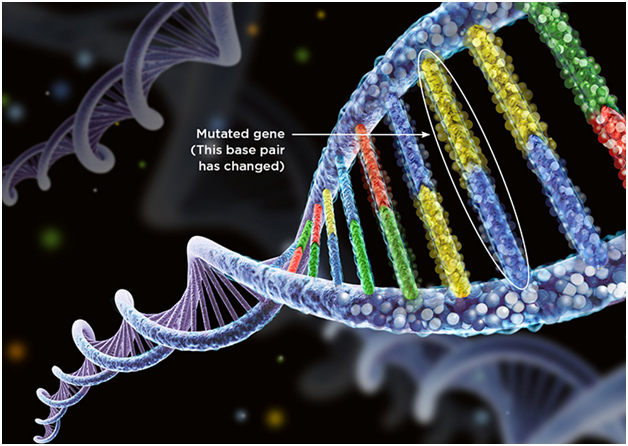
Genetics and Molecular biology 2021
2021-03-15    
All Day
Human genetics is study of the inheritance of characteristics by children from parents. Inheritance in humans does not differ in any fundamental way from that [...]
Food Science and Food Safety
2021-03-16 - 2021-03-17    
All Day
Food Safety. It also provides the premier multidisciplinary forum for researchers, professors and educators to present and discuss the most recent innovations, trends, and concerns, [...]
Traditional and Alternative Medicine
2021-03-16 - 2021-03-17    
All Day
Traditional Medicine 2021 welcomes attendees, presenters, and exhibitors from all over the world. We are glad to invite you all to attend and register for [...]
Carbon and Advanced Energy Materials
2021-03-16 - 2021-03-17    
All Day
Materials Science 2021 was an enchanted achievement. We give incredible credits to the Organizing Committee and participants of Materials Science 2021 Conference. Numerous tributes from [...]
Advancements in Tuberculosis and Lung Diseases
2021-03-17 - 2021-03-18    
All Day
Tuberculosis is a communicable disease, caused by the infectious bacterium Mycobacterium tuberculosis. It affects the lungs and other parts of the body (brain, spine). People [...]
Herbal Medicine and Acupuncture 2021
2021-03-22 - 2021-03-23    
All Day
The event offers a best platform with its well organized scientific program to the audience which includes interactive panel discussions, keynote lectures, plenary talks and [...]
Hospital Management and Health Care
2021-03-22 - 2021-03-23    
All Day
Healthcare system refers to the totality of resource that a society distributes with in organization and health facilities delivery for the aim of upholding or [...]
Hematology and Infectious Diseases
2021-03-22 - 2021-03-23    
All Day
Hematology is the discipline concerned with the production, functions, bone marrow, and diseases which are related to blood, blood proteins. The main aim of this [...]
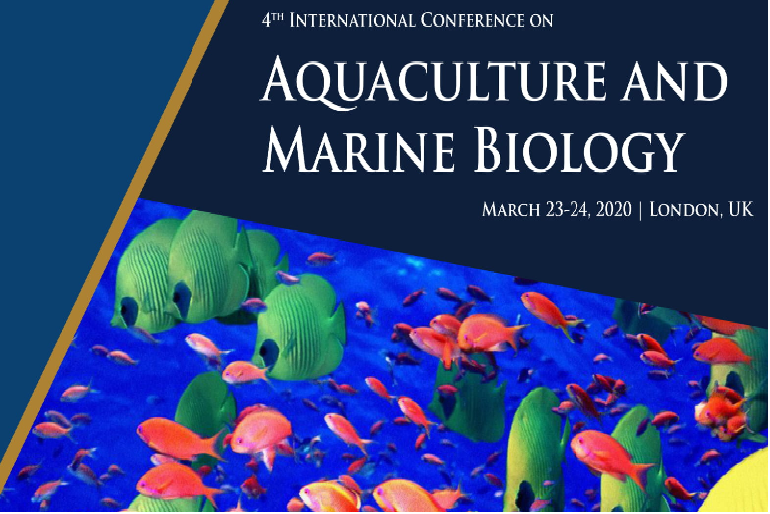
Aquaculture & Marine Biology
2021-03-24 - 2021-03-25    
All Day
The 15th International Conference on Aquaculture & Marine Biology is delighted to welcome the participants from everywhere the planet to attend the distinguished conference scheduled [...]
Artificial Intelligence & Robotics 2021
2021-03-24 - 2021-03-25    
All Day
The Conference Series LLC Ltd organizes conferences around the world on all computer science subjects including Robotics and its related fields. Here we are happy [...]
Tissue Engineering & Regenerative Medicine
2021-03-24 - 2021-03-25    
All Day
Tissue Engineering & Regenerative Medicine mainly focuses on Stem Cell Research and Tissue Engineering. Stem cell Research includes stem cell treatment for various disease and [...]
Nursing Research and Evidence Based Practice
2021-03-25 - 2021-03-26    
12:00 am
Global Nursing Practice 2021 has been circumspectly organized with various multi and interdisciplinary tracks to accomplish the middle objective of the gathering that is to [...]
Earth & Environmental Science 2021
2021-03-26 - 2021-03-27    
All Day
Earth Science 2021 is the integration of new technologies in the field of environmental science to help Environmental Professionals harness the full potential of their [...]
Earth & Environmental Science 2021
2021-03-26 - 2021-03-27    
All Day
Earth Science 2021 is the integration of new technologies in the field of environmental science to help Environmental Professionals harness the full potential of their [...]
Nanomaterials and Nanotechnology
2021-03-26 - 2021-03-27    
All Day
Nanomaterials are the elements which have at least one spatial measurement in the size range of 1 to 100 nanometre. Nanomaterials can be produced with [...]
Smart Materials and Nanotechnology
2021-03-29 - 2021-03-30    
All Day
Smart Material 2021 clears a stage to globalize the examination by introducing an exchange amongst ventures and scholarly associations and information exchange from research to [...]
World Nanotechnology Congress 2021
2021-03-29    
All Day
Nano Technology Congress 2021 provides you with a unique opportunity to meet up with peers from both academic circle and industries level belonging to Recent [...]
Nanomedicine and Nanomaterials 2021
2021-03-29    
All Day
NanoMed 2021 conference provides the best platform of networking and connectivity with scientist, YRF (Young Research Forum) & delegates who are active in the field [...]
Hepatology 2021
2021-03-30 - 2021-03-31    
All Day
Hepatology 2021 provides a great platform by gathering eminent professors, Researchers, Students and delegates to exchange new ideas. The conference will cover a wide range [...]
Events on 2021-03-03
Events on 2021-03-05
Events on 2021-03-17
Events on 2021-03-25
Events on 2021-03-30
Hepatology 2021
30 Mar 21
Latest News

Magnetized wire could be used to detect cancer in people

A magnetic wire used to snag scarce and hard-to-capture tumor cells could prove to be a swift and effective tactic for early cancer detection, according to a study by researchers at the Stanford University School of Medicine.

The wire, which is threaded into a vein, attracts special magnetic nanoparticles engineered to glom onto tumor cells that may be roaming the bloodstream if you have a tumor.

somewhere in your body. With these tumor cells essentially magnetized, the wire can lure the cells out of the free-flowing bloodstream using the same force that holds family photos to your refrigerator.

The technique, which has only been used in pigs so far, attracts from 10-80 times more tumor cells than current blood-based cancer-detection methods, making it a potent tool to catch the disease earlier. The technique could even help doctors evaluate a patient’s response to particular cancer treatments: If the therapy is working, tumor-cell levels in the blood should rise as the cells die and break away from the tumor, and then fall as the tumor shrinks.

For now, Sanjiv “Sam” Gambhir, MD, PhD, professor and chair of radiology and director of the Canary Center at Stanford for Cancer Early Detection, is focused on the wire as a cancer-detection method, but its reach could be much broader.

“It could be useful in any other disease in which there are cells or molecules of interest in the blood,” said Gambhir, who developed the wire with the help of his colleagues. “For example, let’s say you’re checking for a bacterial infection, circulating tumor DNA or rare cells that are responsible for inflammation — in any of these scenarios, the wire and nanoparticles help to enrich the signal, and therefore detect the disease or infection.”

The study was published online July 16 in Nature Biomedical Engineering. Gambhir is the senior author. Postdoctoral scholar Ophir Vermesh, MD, PhD; surgery resident Tianjia Jessie Ge, MD; and MD-PhD student Amin Aalipour share lead authorship.

No vial of blood necessary

Cells that have sloughed off the tumor and cruise the bloodstream freely, otherwise known as circulating tumor cells, can serve as cancer biomarkers, signaling the presence of the disease.

Why then, you might wonder, would you need an entirely new way to capture cells milling about the blood? Couldn’t a simple blood draw siphon off the same floating tumor cells? Hypothetically, yes, but circulating tumor cells are often scarce, and a blood draw only samples a few milliliters of the total blood volume, which in adult humans is about 5 liters.

These circulating tumor cells are so few that if you just take a regular blood sample, those test tubes likely won’t even have a single circulating tumor cell in them,” said Gambhir, the Virginia and D.K. Ludwig Professor of Clinical Investigation in Cancer Research. It would be like searching for a grain of sand in a bathtub, but only scooping out a few cups of water.

“So doctors end up saying ‘Okay, nothing’s there.’”

That, Gambhir said, is where he sees the magnetic wire making a difference. For the wire, which is about the length of your pinky finger and the thickness of a paperclip, to work, circulating tumor cells must be effectively magnetized with nanoparticles. The nanoparticles contain an antibody that latches onto circulating tumor cells. Once the floating tumor cell and nanoparticle are hitched, the cell lugs the tiny magnet around with it, and when the cell-magnet complex flows past the wire, it’s compelled by magnetic force to veer from its regular path in the bloodstream and stick to the wire. Then, the wire is removed from the vein, and the cells are stripped for analysis.

Gambhir and his team have yet to try out the wire in people, as they still have to file for approval from the Food and Drug Administration, but they have successfully tested it in pigs, placing the device in a vein near the pig’s ear. That vein is fairly similar to veins in the human arm. When compared with a 5-millileter blood sample, the magnetic wire extracted 10-80 times more cancerous cells; compared with a different, commercially available wire-based detection method, the wire picked up 500 to 5,000 more tumor cells.

“We estimate that it would take about 80 tubes of blood to match what the wire is able to sample in 20 minutes,” Gambhir said. Of course, he continued, it’s not practical to remove 80 test tubes of blood from one person; that’s more than a half-liter. “So, we’re hoping this approach will enrich our detection capability and give us better insight into just how rare these circulating tumor cells are, and how early on they exist once the cancer is present.”

A flexible wire

Gambhir said the technique could also be used to gather genetic information about tumors located in hard-to-biopsy places or to provide information about the efficacy of a cancer treatments. Perhaps most intriguingly, the magnetic wire may even stand to evolve into a treatment in and of itself.

“If we can get this thing to be really good at sucking up cancer cells, you might consider an application where you leave the wire in longer term,” Gambhir said. “That way it almost acts like a filter that grabs the cancer cells and prevents them from spreading to other parts of the body.

Now, Gambhir is working to ready the technique for humans, which involves approval for the nanoparticles. His lab is conducting toxicity studies in mice, paying close attention to what happens to leftover nanoparticles that don’t bind. So far, there are no signs of toxicity, and the extras decay over the course of a few weeks, he said. Gambhir is also looking into nanoparticles that are already FDA-approved, working to tweak them for use with the wire. Once approved for humans, the goal is to develop the technology into a multi-pronged tool that will boost detection, diagnosis, treatment and evaluation of cancer therapy.

The work is an example of Stanford Medicine’s focus on precision health, the goal of which is to anticipate and prevent disease in the healthy and precisely diagnose and treat disease in the ill.

The study’s other Stanford authors are veterinary research coordinator Yamil Saenz, DVM; former graduate students Chin Chun Ooi, PhD, and Yue Guo, PhD; radiology and molecular imaging scientist Israt Alam, PhD; senior research scientist Seung-min Park, PhD; graduate student Charlie Adelson; postdoctoral scholars Hamed Arami, PhD, and Yoshiaki Mitsutake, PhD; assistant professor of comparative medicine Jose Vilches-Moure, DVM, PhD; life science technician Elias Godoy; research scientist Michael Bachmann, MD, ScD; preclinical laboratory managing director Jennifer Lyons; instructor of radiology Kerstin Mueller, PhD; life science technician Alfredo Green; Shan Wang, PhD, professor of materials science and engineering and of electrical engineering; and chemistry professor Edward Solomon, PhD, who is also a professor of photon science at SLAC National Accelerator Laboratory.


 

Source
