




































By Times of Trenton guest opinion column
By Dr. Kemi Alli
How many times have you mumbled under your breath in a doctor’s office when you had to fill out a medical history form for what seems to be the 100th time prior to seeing a physician? This can be especially frustrating if you are seeing a number of specialists over a short period of time and have to fill out a very similar form for each specialist.
To provide treatment legally, a doctor must secure an up-to-date medical history and a signature from the patient verifying that the information is accurate. Imagine what would happen if one physician had entered a medication allergy incorrectly and you never had the opportunity to list your correct allergies. The consequences could be devastating. Likewise, it is imperative that a treating physician be aware of all current medications and medical changes that occurred since your last visit to ensure that you receive proper care.
Nevertheless, patients are busy and sometimes can become quite annoyed when they are asked to provide the same information every time they come to a different doctor’s office, or the same doctor’s office, for that matter. No doubt, some patients asked themselves why physicians can’t share the information with each other and why the burden of getting their medical information to multiple doctors falls on them.
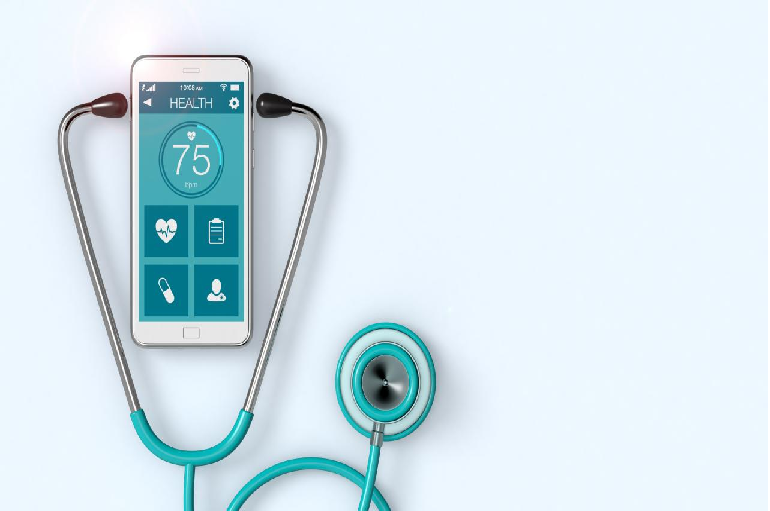
A solution to the flawed paper-based medical record system is an electronic health record (EHR), which allows each patient’s medical record to be accessible electronically. The electronic record contains everything the paper-based record contains, including: patient demographics, progress notes, problems, medications, vital signs, past medical history, immunizations, laboratory data and radiology reports. It’s said to streamline clinicians’ workflow and has the ability to generate a complete record of a patient’s visit.
The EHR system is designed to capture the condition of the patient at all times. It allows for an entire patient history to be viewed without the need to track down the patient’s previous file and assists in ensuring data are accurate, appropriate and legible. It reduces the chances of data replication, as there is only one file that can be modified, which means the file is constantly up-to-date and it eliminates the issue of lost forms or paperwork. As EHR technology allows for all medical information to be located in a single file, it also makes it much more effective to track a patient’s medical data over time.
Researchers have shown an association between EHRs and efficiency in healthcare delivery. Efficiency helps to reduce wasted resources such as supplies, equipment, ideas and energy. One such form of waste involves redundant diagnostic testing. Performing redundant tests is costly and may lead to more false-positive results, which will then lead to even more costs. In addition, EHRs increase efficiency by eliminating lost or misplaced medical charts. Paper-based medical records leave too much room for human error. EHRs allow for all members of the clinical team to access the medical chart electronically. The system also tracks what changes or notes were made in the system and by whom. This not only reinforces efficiency to healthcare service delivery, but also accountability.
Trenton residents who travel between health facilities have generally been treated without the advantage of a detailed medical history. Their medical records have not been readily accessible between organizations. As a result, health care providers have lacked information on a patient’s long-term health issues and on tests and treatments previously administered. With the patient’s consent, EHRs will allow any doctor, hospital or health facility to see lab analysis, radiology reports, emergency room records and discharge information for each of the city’s healthcare providers.
Henry J. Austin Health Center is excited to be at the forefront of EHRs. The health center has used an electronic medical record system since 2007. In the relative near future, HJAHC patients will have the ability to quickly access their medical records and manage their health online. We are only beginning to understand the potential health benefits of empowering patients, through technology, to become more active participants in their healthcare. Digital access to crucial medical information is essential for providing coordinated, high-quality, patient-centered primary care.
Dr. Kemi Alli is chief medical officer at the Henry J. Austin Health Center.


