

























By eawblog in mHealth
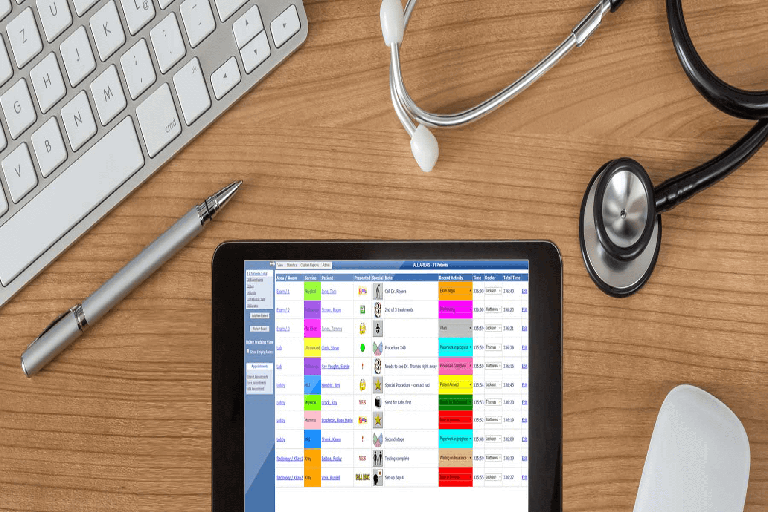
mHealth and EHR access are two of the main considerations doctors have in mind. As mobile healthcare goes mainstream, it has becoming essential for doctors to leverage mobility to access information in real time. A recent poll by MedData group suggests that more than two thirds of doctors are using some form of clinical application on their smartphones and tablets. Concurrently, more than 60 percent of them want access to EHR and other crucial information to make better decision at point of care.
While there are many loopholes around from the developers’ capabilities in building such robust, intuitive, and user-friendly mobile products, the demand for mobility and on-the-go technology will only increase as more and more clinicians embrace secure messaging, patient health alerts, and the vast opportunities to access the latest research and clinical decision support from their pockets.
The MedData poll also suggests that physicians are keen on saving time and costs through mHealth adoption and are open to new technology opportunities to increase their efficiency. Although clinicians don’t doubt mHealth’s capability in providing access to real time information from EHR and other sources, there are few uncertainties around whether mHealth will improve communication between patients, encourage remote consults, or help improve real-time access to critical alerts.
Privacy, data security and interoperability are the main concerns surrounding healthcare providers’ tentative behavior towards widespread adoption of mHealth in the overall healthcare landscape, with a majority of providers believing that the current technology is simply not ready for widespread use.
The successful implementation of mobility in mHealth landscape will be defined by two main areas: 1. Ease of Use to Providers, and 2. Patients.
With the onset of Meaningful Use Stage 2, thirty-five percent of provider respondents are estimated to use mobile devices to access patient portals used for scheduling and communications, while one in five will embrace patient use of mHealth for remote monitoring and 15% will explore telehealth visits using tablets and smartphones for support.
The survey concludes: “Physicians, for the time being, see mobile technology as a way of helping meet their concerns about modern practice. That is not to suggest that doctors are unconcerned about increasing the quality of care or satisfying patients. They are. But they are not yet convinced that mHealth technology is, in most cases, ready to help them achieve these ends, or that patients are crying out such technology. Notwithstanding their reputation in some quarters as change-resistant technophobes, the data indicate that they’re open to new tools that improve their work lives.”


