
























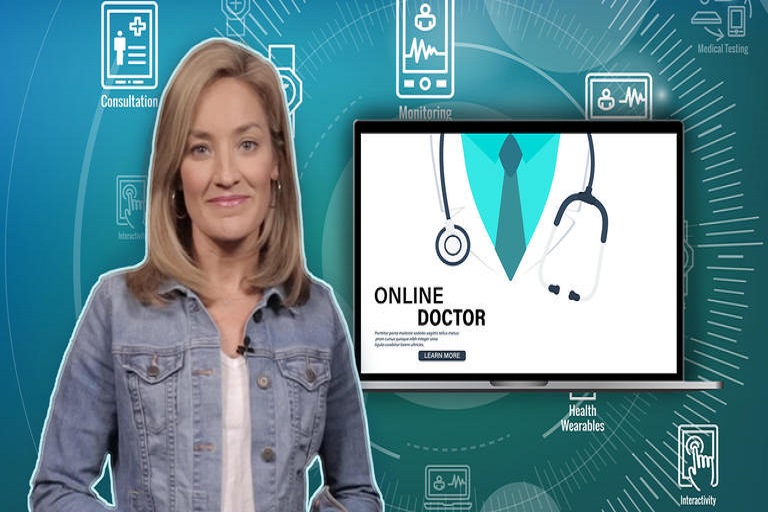
Physicians are changing the patterns of their practice because of the COVID-19 pandemic, with nearly half of them using telehealth to treat patients, up from just 18% in 2018.
WHY IT MATTERS
These were the results of a survey of 842 physicians across the country that conducted by physician search firm Merritt Hawkins. It also revealed 14% of physicians indicated that they will change practice settings as a result of the outbreak.
The survey pointed to changes in reimbursement policies, which had previously limited the use of telehealth’s use by healthcare professionals, as a possible factor in its increased usage.
The 2018 survey had indicated that telemedicine use among physicians was more prominent among younger doctors. Physicians 45 or younger indicated they were practicing some form of telehealth at a higher rate than physicians 46 or older.
Among the other findings from the new survey was the revelation that nearly four in 10 physicians are handling COVID-19 patients, and that 30% of those treating COVID-19 patients said they are feeling “great stress” but still plan to see those patients.
A worrying trend is the percentage of physicians who have been furloughed or experienced a pay cut (21%) or the indication that 18% plan to retire, temporarily close their practices or opt out of patient care completely.
THE LARGER TREND
Indeed, some physician offices are seeing a sharp uptick in the use of telehealth technology, with visits soaring from 10 per week to 300 at one group practice in Fairfax, Virginia. Phoenix Children’s has been making a rapid telehealth shift amid the COVID-19 crisis, moving two-thirds of outpatient visits to the new platform.
Meanwhile, the FCC announced the second round of recipients in its $200 million telehealth program for the healthcare industry, awarding $3.7 million in grants to aid COVID-19 telehealth deployment to five healthcare organizations from coast to coast.
The Centers for Medicare and Medicaid Services also has temporarily suspended rules around telehealth, allowing care across state lines, and also allowing physicians to care for patients at rural hospitals “via phone, radio or online communication, without having to be physically present.”
ON THE RECORD
“The impact on physicians from COVID-19 is going to be transformative. The way patients access physicians and how and where physicians practice will fundamentally change,” said Travis Singleton, executive vice president of Merritt Hawkins. “One positive result of the pandemic is that barriers to accessing physician services through telemedicine may be reduced, which will be critical as the nation deals with a growing physician shortage.”


