











































Events Calendar

Mon
Tue
Wed
Thu
Fri
Sat
Sun
M
T
W
T
F
S
S
1
2
3
4
5
6
7
9
11
12
13
14
16
17
19
20
21
27
28
1
2
3
4
5
6
7
Psychiatry and Psychological Disorders
2021-02-08 - 2021-02-09    
All Day
Mental health Summit 2021 is a meeting of Psychiatrist for emerging their perspective against mental health challenges and psychological disorders in upcoming future. Psychiatry is [...]
Nanotechnology and Materials Engineering
2021-02-10 - 2021-02-11    
All Day
Nanotechnology and Materials Engineering are forthcoming use in healthcare, electronics, cosmetics, and other areas. Nanomaterials are the elements with the finest measurement of size 10-9 [...]
Dementia, Alzheimers and Neurological Disorders
2021-02-10 - 2021-02-11    
All Day
Euro Dementia 2021 is a distinctive forum to assemble worldwide distinguished academics within the field of professionals, Psychology, academic scientists, professors to exchange their ideas [...]
Neurology and Neurosurgery 2021
2021-02-10 - 2021-02-11    
All Day
European Neurosurgery 2021 anticipates participants from all around the globe to experience thought provoking Keynote lectures, oral, video & poster presentations. This Neurology meeting will [...]
Biofuels and Bioenergy 2021
2021-02-15 - 2021-02-16    
All Day
Biofuels and Bioenergy biofuel is a fuel that is produced through contemporary biological processes, such as agriculture and anaerobic digestion, rather than a fuel produced [...]
Tropical Medicine and Infectious Diseases
2021-02-15 - 2021-02-16    
All Day
Tropical Disease Webinar committee members invite all the participants across the globe to take part in this conference covering the theme “Global Impact on infectious [...]
Infectious Diseases 2021
2021-02-15 - 2021-02-16    
All Day
Infection Congress 2021 is intended to honor prestigious award for talented Young Researchers, Scientists, Young Investigators, Post-Graduate Students, Post-Doctoral Fellows, Trainees in recognition of their [...]
Gastroenterology and Liver Diseases
2021-02-18 - 2021-02-19    
All Day
Gastroenterology and Liver Diseases Conference 2021 provides a chance for all the stakeholders to collect all the Researchers, principal investigators, experts and researchers working under [...]
World Kidney Congress 2021
2021-02-18    
All Day
Kidney Meet 2021 will be the best platform for exchanging new ideas and research. It’s a virtual event that will grab the attendee’s attention to [...]
Agriculture & Organic farming
2021-02-22 - 2021-02-23    
All Day
                                                  [...]
Aquaculture & Fisheries
2021-02-22 - 2021-02-23    
All Day
We take the pleasure to invite all the Scientist, researchers, students and delegates to Participate in the Webinar on 13th World Congress on Aquaculture & [...]
Nanoscience and Nanotechnology 2021
2021-02-22 - 2021-02-23    
All Day
Conference Series warmly invites all the participants across the globe to attend "5th Annual Meet on Nanoscience and Nanotechnology” dated on February 22-23, 2021 , [...]
Neurology, Psychiatric disorders and Mental health
2021-02-23 - 2021-02-24    
12:00 am
Neurology, Psychiatric disorders and Mental health Summit is an idiosyncratic discussion to bring the advanced approaches and also unite recognized scholastics, concerned with neurology, neuroscience, [...]
Food and Nutrition 2021
2021-02-24    
All Day
Nutri Food 2021 reunites the old and new faces in food research to scale-up many dedicated brains in research and the utilization of the works [...]
Psychiatry and Psychological Disorders
2021-02-24 - 2021-02-25    
All Day
Mental health Summit 2021 is a meeting of Psychiatrist for emerging their perspective against mental health challenges and psychological disorders in upcoming future. Psychiatry is [...]
International Conference on  Biochemistry and Glyco Science
2021-02-25 - 2021-02-26    
All Day
Our point is to urge researchers to spread their test and hypothetical outcomes in any case a lot of detail as could be ordinary. There [...]
Biomedical, Biopharma and Clinical Research
2021-02-25 - 2021-02-26    
All Day
Biomedical research 2021 provides a platform to enhance your knowledge and forecast future developments in biomedical, bio pharma and clinical research and strives to provide [...]
Parasitology & Infectious Diseases 2021
2021-02-25    
All Day
INFECTIOUS DISEASES CONGRESS 2021 on behalf of its Organizing Committee, assemble all the renowned Pathologists, Immunologists, Researchers, Cellular and Molecular Biologists, Immune therapists, Academicians, Biotechnologists, [...]
Tissue Science and Regenerative Medicine
2021-02-26 - 2021-02-27    
All Day
Tissue Science 2021 proudly invites contributors across the globe to attend “International Conference on Tissue Science and Regenerative Medicine” during February 26-27, 2021 (Webinar) which [...]
Infectious Diseases, Microbiology & Beneficial Microbes
2021-02-26 - 2021-02-27    
All Day
Infectious diseases are ultimately caused by microscopic organisms like bacteria, viruses, fungi or parasites where Microbiology is the investigation of these minute life forms. A [...]
Stress Management 2021
2021-02-26    
All Day
Stress Management Meet 2021 will be a great platform for exchanging new ideas and research. It’s an online event which will grab the attendee’s attention [...]
Heart Care and Diseases 2021
2021-03-03    
All Day
Euro Heart Conference 2020 will join world-class professors, scientists, researchers, students, Perfusionists, cardiologists to discuss methodology for ailment remediation for heart diseases, Electrocardiography, Heart Failure, [...]
Gastroenterology and Digestive Disorders
2021-03-04 - 2021-03-05    
All Day
Gastroenterology Diseases is clearing a worldwide stage by drawing in 2500+ Gastroenterologists, Hepatologists, Surgeons going from Researchers, Academicians and Business experts, who are working in [...]
Environmental Toxicology and Ecological Risk Assessment
2021-03-04 - 2021-03-05    
All Day
Environmental Toxicology 2021 you can meet the world leading toxicologists, biochemists, pharmacologists, and also the industry giants who will provide you with the modern inventions [...]
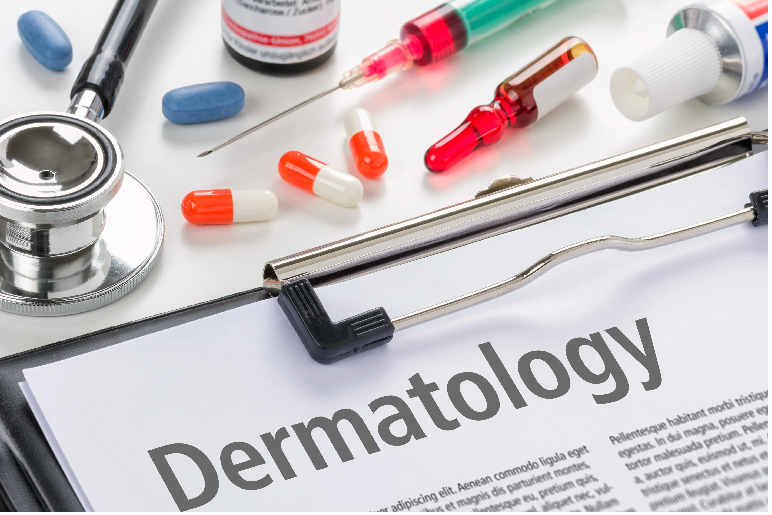
Dermatology, Cosmetology and Plastic Surgery
2021-03-05 - 2021-03-06    
All Day
Market Analysis Speaking Opportunities Speaking Opportunities: We are constantly intrigued by hearing from professionals/practitioners who want to share their direct encounters and contextual investigations with [...]
Events on 2021-02-08
Events on 2021-02-18
Events on 2021-02-24
Events on 2021-03-03
Events on 2021-03-05
Articles

Nov 10 : 6 Tips for Reading Your Own Medical Records

medical records

Over the past few years, technology has allowed healthcare systems to open up your medical records to you.

Many good results will come from this new transparency, making patients more actively involved in their own healthcare. However, there is a basic disconnect that we need to explain to patients as this practice becomes more common. These documents written about you are not written to you.

Remember, medical schools do not teach doctors to chart for purposes of providing patients with a document, so that’s a fundamental challenge. In other words, if you are writing a document for the general public, you’re going to write it at roughly a 6th-grade reading level. Believe me, nothing in a medical record is written at a 6th-grade level. For one thing, it’s going to contain a lot of medical terminology, jargon and shorthand.

Also, the concept of transparency in healthcare is moving along at a fast clip. In fact, it’s moving much faster than the style and content of medical records in accommodating the patient reading them.

The problem for patients

What we find is that patients, although they are not trained in medicine, dig through their medical records with a fine-tooth comb. They search every last term on the Internet, even the most minor statements, usually without the proper frame of reference.

So, because they are not experienced in the delivery of healthcare, patients often come away absolutely terrified, magnifying any mention of an abnormality or disease in their record.

Tips for reading your patient record

If you choose to read your patient records, keep these points in mind:

  1. Expect inaccuracies and incomplete documentationDoctors are always in a hurry, and documentation is a secondary priority in taking care of the patient. If you find inaccuracies that you feel may be dangerous for others to read, mention them to your doctor on the next visit.
  2. Remember: Most records are not letters to the patient. They are a way for the doctor to chart what he or she has thought or done. Records also serve as auditing and billing documents for the business of healthcare.
  3. You can’t judge the doctor on the grammar or flow of the document. Some of the best doctors have the most brief and concise chart documents. They may take better care of you than they take care of paperwork.
  4. The medical records are multiple-user documents. They often contain notes from nurses or other medical team members that have met with you. In electronic medical records, you are likely to encounter historical information that is pulled forward from visits that occurred months or years ago. You may encounter pages of old “boilerplate” information, or information that is collected only to meet audit or accreditation requirements.
  5. The most stress for patients reading their records is over lab tests, X-ray or MRI reports. Without medical training, they are nearly impossible to interpret rationally. Abnormal test results are very common, and are often harmless. Abnormal test results may actually be normal in individual situations – the lab does not know your medical background. X-ray and MRI results are the most frightening. The radiologist who reads the images will use specialized jargon and unusual language. Rare and deadly diseases may be mentioned as possible diagnoses. Seeing this in black and white can cause enormous anxiety for a patient. Doctors don’t treat x-ray reports, they treat patients. These images are only a tool to point us toward a clearer diagnosis, not a sentence and a verdict.
  6. Don’t be insulted by notations that seem personal, such as seeing a reference to your weight or the fact that you drink alcohol, smoke or that you’re depressed. Seeing it in writing is sometimes harsh, but these facts are relevant to understanding your physical condition and not made as personal judgments.

When you think about medical records, consider their purpose. For the last two centuries, when doctors wrote their notes, it was not to communicate to patients.

Patient records give doctors reminders of a patient’s health challenges. They record what symptoms you have experienced, and describe the treatment plan. This helps doctors recall details of each patient case and also helps communicate to other providers involved in a patient’s care. Keep this in mind as you begin to have greater access to these records.


Source
