




























Technology champions from the NSW Health department have asked for the patience and cooperation of their colleagues as the state works through an IT overhaul with life or death implications.
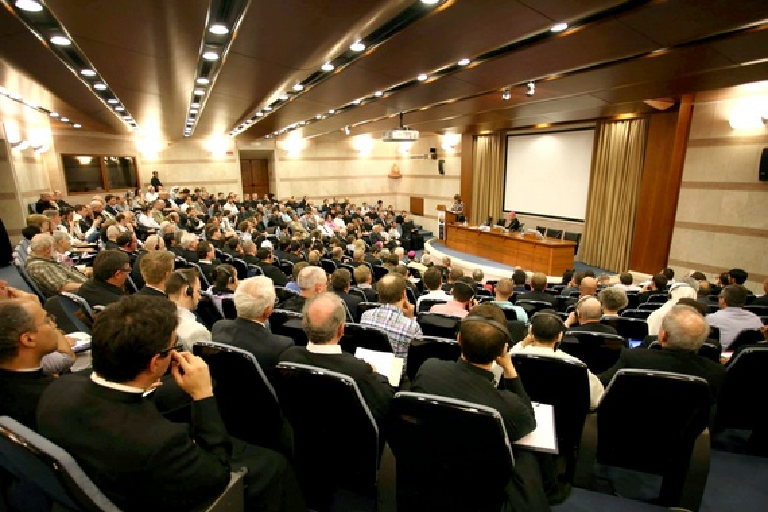
At its annual shared services conference, NSW Health executives pleaded the case for vital clinical uptake of new technologies such as the hospital based electronic medical record (eMR) and a complex, $170 million drug management system that is currently being trialled in Sydney.
Additionally, state hospital CIOs will be now placed under “a little bit more pressure” after the department made the implementation of the eMR a standard part of the annual performance reviews of health district bosses.
The $170 million electronic medications management (eMM) solution currently under trial will take human capacity for error out of the administration of dangerous drugs, chief of the Sydney Local Health District Teresa Anderson said.
But she warned its success hinged on doctors owning the project.
“When we have seen things go wrong in the past I think it is because IT is trying to lead the development when it really needs to be the clinicians,” she said.
“We have to accept that the information system is not necessarily going to be than handwriting, but it certainly they will be safer.”
The eMM tool is being trialled in the Concord hospital aged care ward, with plans for it to be rolled out to the remainder of the pilot site’s inpatient and outpatient beds in March next year.
Advocates for the system, particularly Liverpool hospital’s Kathy Gibson, presented a frank case for drug management capability.
While clinical staff are highly skilled and committed to their jobs, Professor Gibson said, the reality of fast-paced hospital operations is that even the simplest human errors are often fatal.
“You would think that everybody would have their allergies recorded on their medical chart, and that everyone would read that information and take note of it. But the reality is that is not always the case,” she said. “It always surprises me how few of my patients can actually tell me what they’re on.”
Professor Gibson cited one case of a 64 year-old lung cancer sufferer being prescribed and subsequently administered ten times the dose of powerful painkillers that he should have been, simply because of a transcribing error.
“Maybe the emergency department registrar was interrupted or received a phone call while he was writing up the chart,” Gibson reasoned. “Then no-one on the overnight team recognised that it was an unusually high dose.”
In another case, hospital staff discovered a brain tumour in a 66 year old woman which needed to be removed. Miscommunication between doctors meant she was given not one but two doses of anticoagulants within 48 hours of the procedure, ultimately ending in a fatal bleed on the brain.
“These kinds of things are happening every day in the NSW Health system,” Gibson said, adding that in Australia between 2 percent and 4 percent of all hospital admissions are due to medication errors, with 75 percent preventable.
When it is complete the eMM is expected to provide an end-to-end record of prescription, dispensation and consumption. It will automatically alert doctors to allergies and potential adverse drug clashes and has been touted as a means of reducing the overuse of antibiotics to put the brakes on growing immunity.
Recently departed CIO Greg Wells, who has been hired by Families and Community Services to plan for its national disability insurance scheme (NDIS) roll-out, made a guest appearance at the conference to encourage his former colleagues to maintain their commitment to electronic health.
“What we have now in NSW is the beginning of truly networked care,” he said. “It is changing lives.” source


