




























IBM’s answer to the human brain in computer form is back and has decided to get into healthcare. IBM Research has unveiled two new Watson-related cognitive technologies that are expected to help physicians make more informed and accurate decisions faster and to cull new insights from electronic medical records (EMR).
The projects known as “WatsonPaths” and “Watson EMR Assistant” are the result of a year-long research collaboration with faculty, physicians and students at Cleveland Clinic Lerner College of Medicine of Case Western Reserve University. With the WatsonPaths project, IBM scientists have trained the system to interact with medical domain experts in a way that’s more natural for them, enabling the user to more easily understand the structured and unstructured data sources the system consulted and the path it took in offering an option. The Watson EMR Assistant project aims to enable physicians to uncover key information from patients’ medical records in order to help improve the quality and efficiency of care.
Watson Paths
WatsonPaths explores a complex scenario and draws conclusions much like people do in real life. When presented with a medical case, WatsonPaths extracts statements based on the knowledge it has learned as a result of being trained by medical doctors and from medical literature.
WatsonPaths can use Watson’s question-answering abilities to examine the scenario from many angles. The system works its way through chains of evidence – pulling from reference materials, clinical guidelines and medical journals in real-time – and draws inferences to support or refute a set of hypotheses. This ability to map medical evidence allows medical professionals to consider new factors that may help them to create additional differential diagnosis and treatment options.
WatsonPaths, when ready, will be available to Cleveland Clinic faculty and students as part of their problem-based learning curriculum and in clinical lab simulations.
Watson EMR Assistant
IBM and Cleveland Clinic are using Watson EMR Assistant to explore how to navigate and process electronic medical records to unlock hidden insights within the data, with the goal of helping physicians make more informed and accurate decisions about patient care.
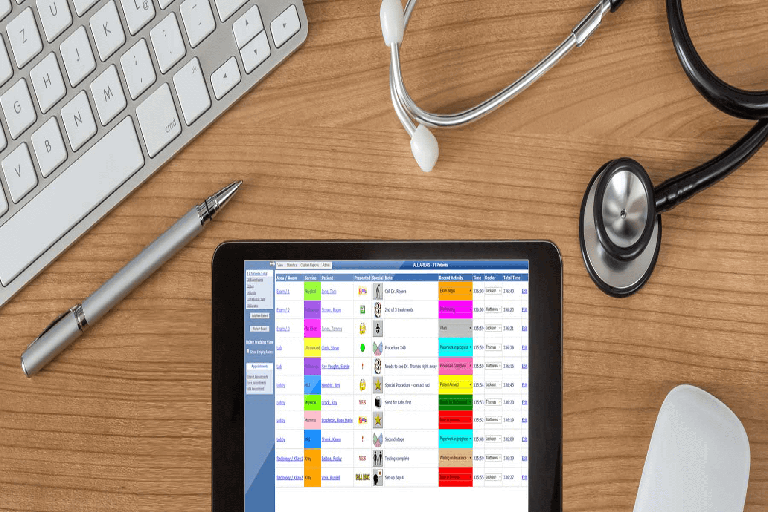
With this research project, Watson’s robust pipeline of natural language processing and machine learning technologies is being applied to begin analyzing whole EMRs with the goal of surfacing information and relationships within the data in a visualization tool that may be useful to a medical practitioner. Working with de-identified EMR data provided by Cleveland Clinic and with direction from Cleveland Clinic physicians, the goal of the Watson EMR Assistant research project is to develop technologies that will be able to collate key details in the past medical history and present to the physician a problem list of clinical concerns that may require care and treatment, highlight key lab results and medications that correlate with the problem list, and classify important events throughout the patient’s care presented within a chronological timeline.


