























































Events Calendar

Mon
Tue
Wed
Thu
Fri
Sat
Sun
M
T
W
T
F
S
S
1
2
6
7
9
10
11
12
13
14
18
19
20
21
23
27
28
30
12:00 AM - Hepatology 2021
31
1
2
3
4
Heart Care and Diseases 2021
2021-03-03    
All Day
Euro Heart Conference 2020 will join world-class professors, scientists, researchers, students, Perfusionists, cardiologists to discuss methodology for ailment remediation for heart diseases, Electrocardiography, Heart Failure, [...]
Gastroenterology and Digestive Disorders
2021-03-04 - 2021-03-05    
All Day
Gastroenterology Diseases is clearing a worldwide stage by drawing in 2500+ Gastroenterologists, Hepatologists, Surgeons going from Researchers, Academicians and Business experts, who are working in [...]
Environmental Toxicology and Ecological Risk Assessment
2021-03-04 - 2021-03-05    
All Day
Environmental Toxicology 2021 you can meet the world leading toxicologists, biochemists, pharmacologists, and also the industry giants who will provide you with the modern inventions [...]
Dermatology, Cosmetology and Plastic Surgery
2021-03-05 - 2021-03-06    
All Day
Market Analysis Speaking Opportunities Speaking Opportunities: We are constantly intrigued by hearing from professionals/practitioners who want to share their direct encounters and contextual investigations with [...]
World Dental Science and Oral Health Congress
2021-03-08 - 2021-03-09    
All Day
About The Webinar Conference Series LLC Ltd invites you to attend the 42nd World Dental Science and Oral Health Congress to be held in March 08-09, 2021 with the [...]
Euro Metabolomics & Systems Biology
2021-03-08 - 2021-03-09    
All Day
Euro Metabolomics 2021 will be a platform to investigate recent research and advancements that can be useful to the researchers. Metabolomics is a rapidly emerging [...]
International Summit on Industrial Engineering
2021-03-15 - 2021-03-16    
All Day
Industrial Engineering conference invites all the participants to attend International summit on Industrial Engineering during March15-16, 2021 Webinar. This has prompt keynotes, Oral talks, Poster [...]
Digital Health 2021
2021-03-15 - 2021-03-16    
All Day
The use of modern technologies and digital services is not only changing the way we communicate, they also offer us innovative ways for monitoring our [...]
Genetics and Molecular biology 2021
2021-03-15    
All Day
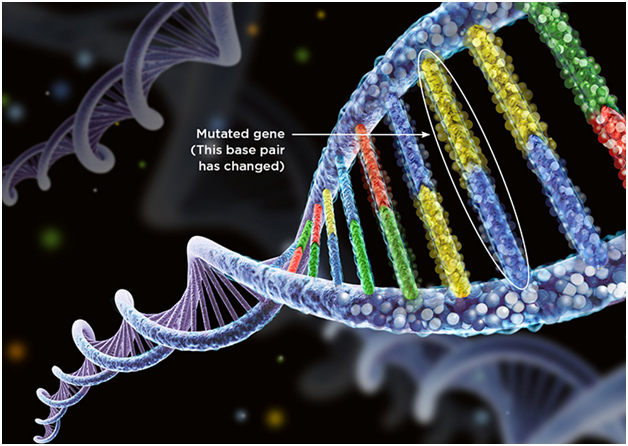
Human genetics is study of the inheritance of characteristics by children from parents. Inheritance in humans does not differ in any fundamental way from that [...]
Food Science and Food Safety
2021-03-16 - 2021-03-17    
All Day
Food Safety. It also provides the premier multidisciplinary forum for researchers, professors and educators to present and discuss the most recent innovations, trends, and concerns, [...]
Traditional and Alternative Medicine
2021-03-16 - 2021-03-17    
All Day
Traditional Medicine 2021 welcomes attendees, presenters, and exhibitors from all over the world. We are glad to invite you all to attend and register for [...]
Carbon and Advanced Energy Materials
2021-03-16 - 2021-03-17    
All Day
Materials Science 2021 was an enchanted achievement. We give incredible credits to the Organizing Committee and participants of Materials Science 2021 Conference. Numerous tributes from [...]
Advancements in Tuberculosis and Lung Diseases
2021-03-17 - 2021-03-18    
All Day
Tuberculosis is a communicable disease, caused by the infectious bacterium Mycobacterium tuberculosis. It affects the lungs and other parts of the body (brain, spine). People [...]
Herbal Medicine and Acupuncture 2021
2021-03-22 - 2021-03-23    
All Day
The event offers a best platform with its well organized scientific program to the audience which includes interactive panel discussions, keynote lectures, plenary talks and [...]
Hospital Management and Health Care
2021-03-22 - 2021-03-23    
All Day
Healthcare system refers to the totality of resource that a society distributes with in organization and health facilities delivery for the aim of upholding or [...]
Hematology and Infectious Diseases
2021-03-22 - 2021-03-23    
All Day
Hematology is the discipline concerned with the production, functions, bone marrow, and diseases which are related to blood, blood proteins. The main aim of this [...]
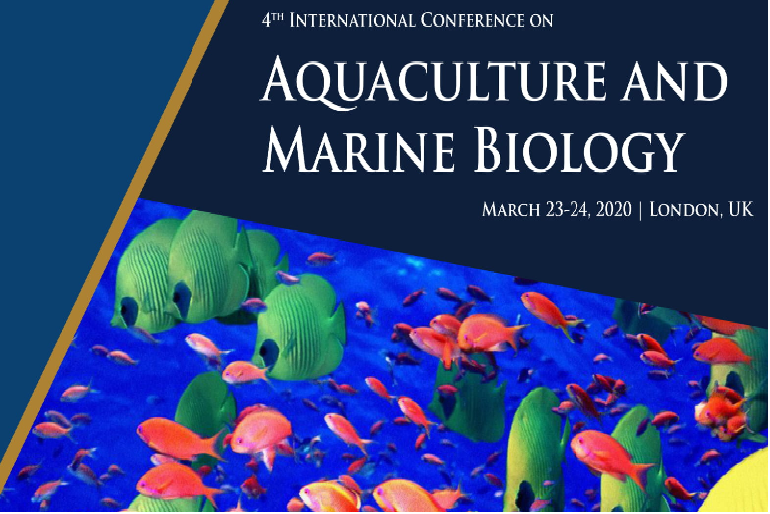
Aquaculture & Marine Biology
2021-03-24 - 2021-03-25    
All Day
The 15th International Conference on Aquaculture & Marine Biology is delighted to welcome the participants from everywhere the planet to attend the distinguished conference scheduled [...]
Artificial Intelligence & Robotics 2021
2021-03-24 - 2021-03-25    
All Day
The Conference Series LLC Ltd organizes conferences around the world on all computer science subjects including Robotics and its related fields. Here we are happy [...]
Tissue Engineering & Regenerative Medicine
2021-03-24 - 2021-03-25    
All Day
Tissue Engineering & Regenerative Medicine mainly focuses on Stem Cell Research and Tissue Engineering. Stem cell Research includes stem cell treatment for various disease and [...]
Nursing Research and Evidence Based Practice
2021-03-25 - 2021-03-26    
12:00 am
Global Nursing Practice 2021 has been circumspectly organized with various multi and interdisciplinary tracks to accomplish the middle objective of the gathering that is to [...]
Earth & Environmental Science 2021
2021-03-26 - 2021-03-27    
All Day
Earth Science 2021 is the integration of new technologies in the field of environmental science to help Environmental Professionals harness the full potential of their [...]
Earth & Environmental Science 2021
2021-03-26 - 2021-03-27    
All Day
Earth Science 2021 is the integration of new technologies in the field of environmental science to help Environmental Professionals harness the full potential of their [...]
Nanomaterials and Nanotechnology
2021-03-26 - 2021-03-27    
All Day
Nanomaterials are the elements which have at least one spatial measurement in the size range of 1 to 100 nanometre. Nanomaterials can be produced with [...]
Smart Materials and Nanotechnology
2021-03-29 - 2021-03-30    
All Day
Smart Material 2021 clears a stage to globalize the examination by introducing an exchange amongst ventures and scholarly associations and information exchange from research to [...]
World Nanotechnology Congress 2021
2021-03-29    
All Day
Nano Technology Congress 2021 provides you with a unique opportunity to meet up with peers from both academic circle and industries level belonging to Recent [...]
Nanomedicine and Nanomaterials 2021
2021-03-29    
All Day
NanoMed 2021 conference provides the best platform of networking and connectivity with scientist, YRF (Young Research Forum) & delegates who are active in the field [...]
Hepatology 2021
2021-03-30 - 2021-03-31    
All Day
Hepatology 2021 provides a great platform by gathering eminent professors, Researchers, Students and delegates to exchange new ideas. The conference will cover a wide range [...]
Events on 2021-03-03
Events on 2021-03-05
Events on 2021-03-17
Events on 2021-03-25
Events on 2021-03-30
Hepatology 2021
30 Mar 21
Latest News

Pediatric obesity, depression connected in the brain

Pediatric obesity

Early-life obesity and depression may be driven by shared abnormalities in brain regions that process rewards, according to researchers at the Stanford University School of Medicine. Their findings, which were published on Hormones and Behavior, are based on brain MRI scans of children and teenagers ages 9-17 who struggled with depressive symptoms and maintaining a healthy weight. The study is the first to document how concurrent obesity and depression are reflected in the brain in this age group.

Young people who had both conditions had low volumes in two of the brain’s reward-processing areas, the hippocampus and anterior cingulate cortex. The participants’ brain abnormalities also were linked to their level of insulin resistance, itself a precursor to diabetes.

“We want to help children and families understand that these conditions are brain-based phenomena,” said the study’s lead author, Manpreet Singh, MD, assistant professor of psychiatry and behavioral sciences. Children and teens who have both conditions often feel stigmatized and may hesitate to pursue treatment, said Singh, who is also a child and adolescent psychiatrist at Lucile Packard Children’s Hospital Stanford. “We want to destigmatize these issues. Understanding that there’s a brain basis may help both children and parents be solution-focused.”

Prior Stanford research has shown changes in the same brain networks in adults with obesity and depression. “With this new study, we are trying to understand the earliest age at which this vulnerability begins, and also the earliest time we will be able to intervene when we find the appropriate intervention,” said the study’s senior author, Natalie Rasgon, MD, PhD, professor of psychiatry and behavioral sciences. “Early intervention is important because, later in life, these are the same brain areas which will ultimately be vulnerable to neurodegenerative processes as well. It’s a double whammy.”

Cycle of obesity and depression

When obesity and depression begin in childhood, they tend to persist throughout life. Depressed youth may experience a cycle of overeating to try to make themselves feel better, followed by weight gain, ongoing depressed feelings and weight-related bullying that further worsens their depression.

Prior brain-scan research examining obesity or depression individually turned up abnormalities in the brain’s reward centers. “Independently, in obesity and depression, the same brain networks popped up, and that was curious to us,” Singh said. “We thought maybe that was a link that would help us understand better why these symptoms coexist.”

The researchers recruited 42 young participants with a body-mass index greater than the 85th percentile who also had moderate-to-severe untreated depressive symptoms. (All study participants were offered treatment referrals during the study.) Prior to seeking treatment, they were assessed with standard clinical tests and questionnaires to evaluate their level of depression, their experience of pleasure and certain eating behaviors, such as uncontrolled eating and emotional eating. They also had their insulin resistance measured while fasting and after consuming a standard dose of glucose, the sugar in our blood. Insulin helps sugar move from the blood into the body’s cells, where it can be used as fuel. When someone becomes insulin-resistant, the hormone works less effectively than usual; insulin resistance is a marker of metabolic dysfunction that precedes Type 2 diabetes. Finally, they had a brain MRI to assess their brain structure and function.

Compared with insulin-sensitive participants, those with more insulin resistance experienced less pleasure from eating, had more eating disinhibition (meaning they were more likely to eat in an unrestrained manner) and also had more generalized anhedonia — that is, difficulty experiencing pleasure.

Better understanding of shared mechanisms

The characteristics of the participants’ hippocampus and anterior cingulate cortex were correlated to their levels of insulin resistance and also to their degree of depression, with lower volumes of the two brain regions in children and teens who had more insulin resistance or severe depression, or both.

Greater insulin resistance and greater depression were also linked to stronger connections between the two reward centers. The participants’ level of insulin in fasting versus after consuming glucose correlated to the exact location and nature of their brain abnormalities, with somewhat different characteristics in the brains of children whose insulin was higher during fasting rather than after-glucose states.

“We have come closer to understanding the specific shared mechanisms between these syndromes and the commensurate neurofunctional markers that accompany them,” the authors write in the study.

Singh’s team is now conducting a longitudinal study of a cohort of children and teens, including the participants from this just-completed study, to assess how their brains and clinical symptoms track together over time.

Understanding how the brain differs in young people with obesity and depression also provides scientists with an important baseline for future research to test the efficacy of new treatments, Singh said. In clinical trials of future therapies, brain MRIs may help researchers understand if the treatments have the desired effect. “That’s the exciting promise of the next phase of this work: We’ll be utilizing the information we get from the brain to develop targeted, mechanistic treatments that we can then track to see if they have the effect they’re supposed to have on the brain,” Singh said.

The study is an example of Stanford Medicine’s focus on precision health, the goal of which is to anticipate and prevent disease in the healthy and precisely diagnose and treat disease in the ill.

The study’s other Stanford authors are clinical research coordinators Sara Leslie, Yevgeniya Zaiko, Elizabeth Weisman and Danielle Wall; lab manager Mary Melissa Packer; former postdoctoral scholar Owen Phillips, PhD; and Booil Jo, PhD, the study’s statistician and associate professor of psychiatry and behavioral sciences.

Rasgon is a member of Stanford’s Child Health Research Institute and of the Stanford Neurosciences Institute. Singh is a member of Stanford’s Child Health Research Institute and of Stanford Bio-X. Both are members of the Psychopathology and Alllostatic Load Across the Lifespan Network, an international network of 14 academic centers studying the intersection of diabetes, depression and dementia.

The research was funded by the National Institute of Mental Health (grant R01MH106581). Stanford’s Department of Psychiatry and Behavioral Sciences also supported the work.

Source

