



















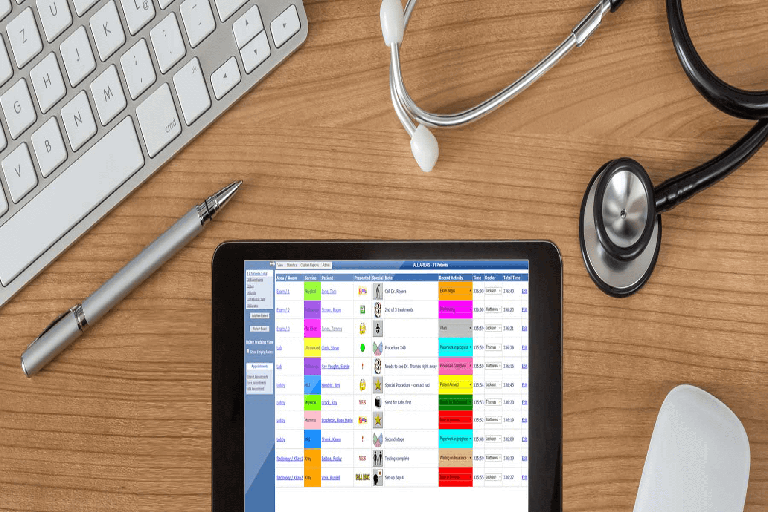









As the adoption of electronic medical records (EMRs) has significantly increased in the past few decades, it has partially improved communication among healthcare professionals and ensured more reliable access to test results and information. Despite these benefits, there are notable drawbacks and challenges associated with EMR utilization. The presence of distinct EMR systems in various institutions or oncology practices impedes seamless information flow among providers and systems. The 21st Century Cures Act of 2016 aimed to facilitate patient and provider access; however, interoperability issues persist, leading to incomplete information and cryptic formats that hinder interpretation. Research indicates that clinicians spend up to two-thirds of their time on EMR documentation, contributing significantly to physician burnout.
This is particularly evident in the United States, where extensive and mandatory clinical documentation requirements for billing play a crucial role in enabling physicians to receive compensation for their services. Compared to many other nations, notes in the U.S. are 3 to 5 times longer, primarily due to unique billing standards. Unfortunately, these mandated statements often extend the note without contributing additional information that enhances patient care. Transitioning to a compensation model where clinicians are rewarded for documenting a concise set of essential elements in a standardized format could offer a mutually advantageous solution for all stakeholders.
The legal entitlement of patients to access their records was established through the Health Insurance Portability and Accountability Act of 1996. The enactment of the Cures Act legislation aimed to streamline and nearly eliminate barriers to access. In order to enhance interoperability across EMR platforms, the Cures Act obliges vendors and users to facilitate the development of computer and smartphone applications, ensuring that patients enjoy comprehensive access to their healthcare information. Effective April 2021, the information blocking rule within the Cures Act dictates that eight categories of clinical notes generated in an EMR must be promptly accessible to patients through a secure online portal. These categories encompass physician notes, imaging, laboratory results, and pathology reports.
Just like many aspects of life, the utilization of Electronic Medical Records (EMRs) by patients has both advantages and disadvantages. Patient portals play a beneficial role in assisting with appointment scheduling, providing educational materials, and facilitating telehealth visits. However, it remains essential for patients to possess the necessary equipment and technical skills to access the portal for these services..
Despite the advantages, challenges arise when it comes to interpreting test results. Professional medical interpretation is often required, and when patients receive this information outside the context of a medical visit, confusion and misinterpretation may ensue. This situation can lead to heightened stress, particularly when dealing with complex reports like pathology or radiology results.
Patient portals frequently feature a comprehensive list of questions and concerns directed towards the healthcare team. As the volume of inquiries rises significantly, many systems caution patients about potential charges for excessive portal messages. It is crucial to address these challenges and anticipate future improvements and upgrades in EMR details to enhance their contribution to patient care.


