







OGDEN — In order to obtain a freshly prescribed prescription, Dr. David Classen recently went to a drugstore.
Upon his arrival, he inquired with the pharmacy about any potential conflicts with the other prescriptions he was now taking.
They declined to speak with him. The computer’s automated method indicates that Classen should be perfectly safe using that medication along with his other medications.
False.
“I told them to just make me laugh. Could you please double-check?” he said.
A notice about a potential drug interaction appeared after double-checking via another source.
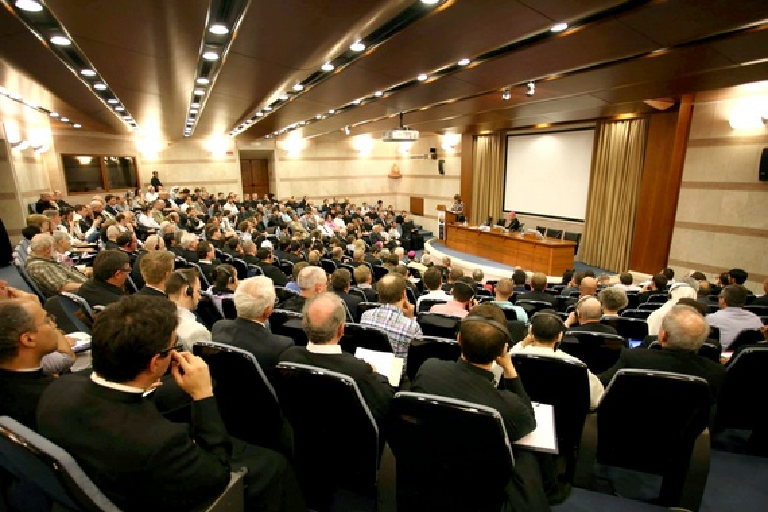
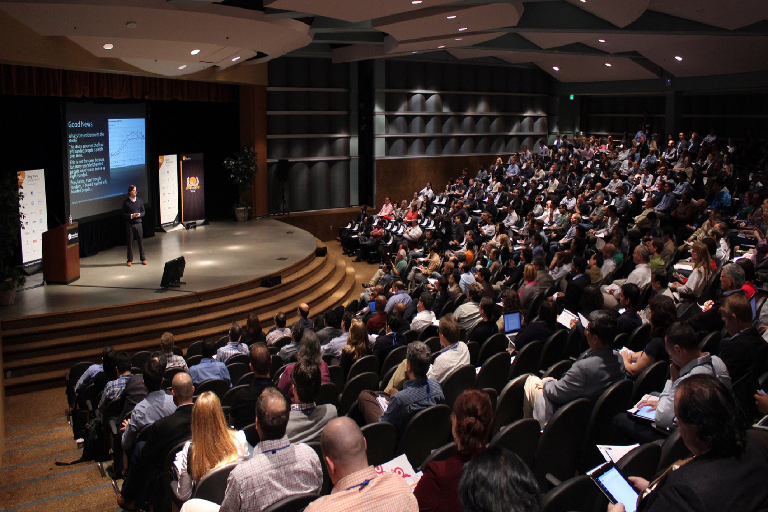
During this week’s 79th annual Ogden Surgical-Medical Society Conference at Weber State University, Classen, a professor of medicine at University of Utah Health and consultant in infectious diseases at the University of Utah School of Medicine, discussed how errors in electronic health records, or EHRs, are harming patients. “Patient Safety in Primary and Specialty Medical Care” is this year’s conference theme.
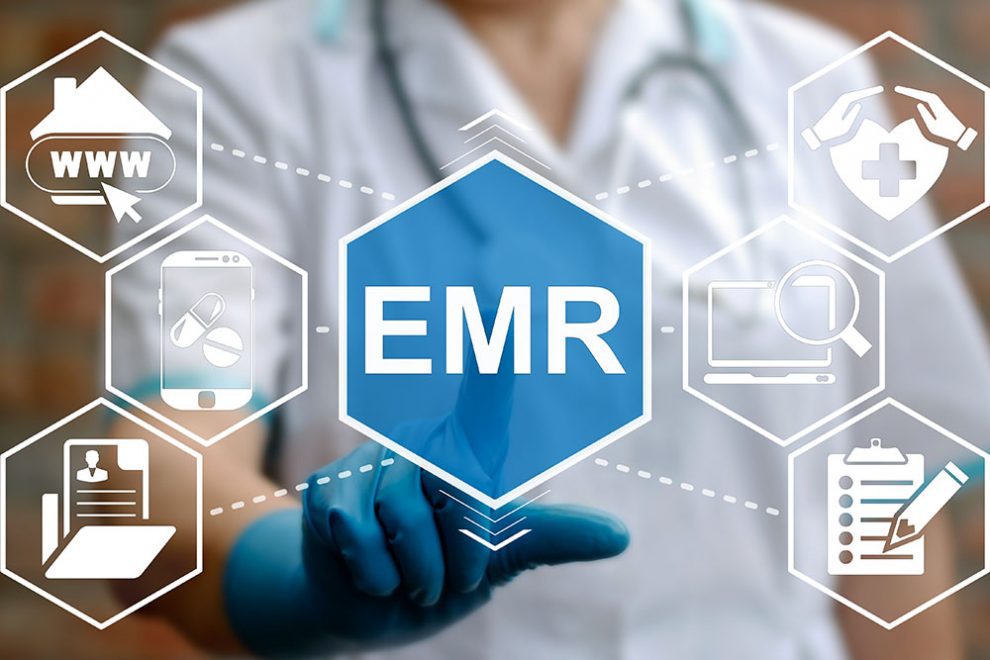
An electronic copy of a patient’s medical record is called an EHR. Health issues, tests, doctor’s notes, medications the patient is taking, and other crucial information are all included in this history. The system’s purpose is to alert users to possible adverse reactions, excessive dosages, and drug combinations.
However, according to Classen, it’s not as amazing as people might believe.
He declared, “It’s very frustrating that EHRs didn’t improve patient safety as advertised.”
Classen described a number of situations where an EHR was used, but it didn’t work out. One patient passed away after receiving a prescription for a drug to which she was known to be allergic.
Warfarin, a blood thinner, was prescribed to another patient who had pneumonia and was admitted to the hospital. Classen said that due of the enormous dosage of the medication in her system, which she received three times a day throughout her stay, she died from a brain bleed.
Less than 70% of the time, according to Classen, do EHRs adhere to the strictest safety regulations.
Prior to EHRs, “we used to have three safety checks,” he stated. “The pharmacist, the doctor, and the nurse. These days, almost everyone depends on the EHR to alert them to issues, and many of them go unnoticed.
Classen cited articles from the Chicago Tribune that involved sending two medications that are known to interact fatally when taken together to multiple pharmacies.
He explained, “They were trying to figure out how many pharmacies would give out the drugs without warning.” The drug was dispensed by half of the pharmacies. A further 25% of doctors gave prescriptions despite warning patients that there might be a drug interaction.
Classen stated that although EHR safety performance varies each hospital, there have been some advances throughout the years. He stated that in addition to needing to be substantially enhanced, the systems also needed to be safer and easier for clinicians to operate.
Artificial intelligence is being used by a lot of hospitals these days to help improve patient safety and identify issues before they arise. Classen is a co-creator of the Global Trigger Tool, a tool for quantifying harm to patients. Families who have loved ones in the hospital can even utilize this app to monitor their care in real time.
“AI is surrounded by so much hype, but it’s also surrounded by so much substance,” he remarked. The number of patient injuries has significantly decreased in the hospitals that have implemented it. AI, in my opinion, will revolutionize patient safety measures, detection, and management, enabling us to take action before an issue arises.