



























Samsung Partners with Web3 Startup Galeon to Advance AI-Driven Women’s Health Diagnostics
Samsung has joined forces with Web3 healthcare startup Galeon to integrate AI-enabled ultrasound devices with Galeon’s decentralized electronic medical record (EMR) system, aiming to enhance women’s health diagnostics while safeguarding patient privacy. The collaboration links Samsung’s ultrasound technology with Galeon’s blockchain-based EHR platform, which is currently deployed in 18 European hospitals.
The partnership leverages Galeon’s Blockchain Swarm Learning technology to enable decentralized AI training on anonymized and encrypted datasets, without centralizing sensitive patient records. Only the AI algorithm operations are recorded on the blockchain for traceability, while imaging data remains anonymized and off-chain.
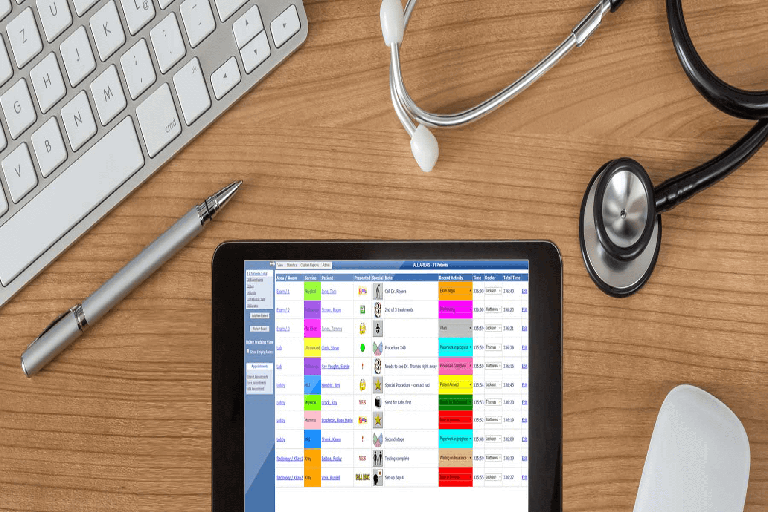
Galeon will provide a dedicated connector for each Samsung ultrasound device installed in hospitals, ensuring secure, seamless data transfer between hardware and software—a critical solution in healthcare, where diagnostic tools often struggle to integrate with patient management systems.
“We are incredibly proud of this partnership and excited to transform the healthcare market together,” said Benjamin Tarter, Head of Women’s Health at Samsung France.
The system is designed to enhance obstetric care by digitally storing ultrasound data directly in patient records, replacing the current practice of delivering results primarily as printed reports and images. This integration enables clinicians to access detailed fetal measurements, morphological observations, and biometrics from previous exams during follow-up appointments.
“Samsung’s device expertise combined with our live EHR and decentralized AI infrastructure delivers what the industry has been missing,” said Loïc Brotons, CEO of Galeon. “Beginning with women’s health, we are linking AI-powered imaging, real-time hospital workflows, and community-governed research to accelerate discoveries while safeguarding patient privacy.”
The partnership also incorporates a research dimension through Galeon’s Atlantis platform and GALEON token, allowing a community of over 100,000 members to vote on medical research funding priorities. This model aims to democratize research funding, aligning it with patient needs rather than solely commercial interests.
By leveraging a decentralized architecture, the collaboration meets the growing demand for AI-supported diagnostics while maintaining strict patient privacy. Hospitals retain full control of their data while benefiting from enhanced diagnostic accuracy and more efficient workflows.


