

































Events Calendar

Mon
Tue
Wed
Thu
Fri
Sat
Sun
M
T
W
T
F
S
S
1
2
3
4
5
6
7
9
11
12
13
14
16
17
19
20
21
27
28
1
2
3
4
5
6
7
Psychiatry and Psychological Disorders
2021-02-08 - 2021-02-09    
All Day
Mental health Summit 2021 is a meeting of Psychiatrist for emerging their perspective against mental health challenges and psychological disorders in upcoming future. Psychiatry is [...]
Nanotechnology and Materials Engineering
2021-02-10 - 2021-02-11    
All Day
Nanotechnology and Materials Engineering are forthcoming use in healthcare, electronics, cosmetics, and other areas. Nanomaterials are the elements with the finest measurement of size 10-9 [...]
Dementia, Alzheimers and Neurological Disorders
2021-02-10 - 2021-02-11    
All Day
Euro Dementia 2021 is a distinctive forum to assemble worldwide distinguished academics within the field of professionals, Psychology, academic scientists, professors to exchange their ideas [...]
Neurology and Neurosurgery 2021
2021-02-10 - 2021-02-11    
All Day
European Neurosurgery 2021 anticipates participants from all around the globe to experience thought provoking Keynote lectures, oral, video & poster presentations. This Neurology meeting will [...]
Biofuels and Bioenergy 2021
2021-02-15 - 2021-02-16    
All Day
Biofuels and Bioenergy biofuel is a fuel that is produced through contemporary biological processes, such as agriculture and anaerobic digestion, rather than a fuel produced [...]
Tropical Medicine and Infectious Diseases
2021-02-15 - 2021-02-16    
All Day
Tropical Disease Webinar committee members invite all the participants across the globe to take part in this conference covering the theme “Global Impact on infectious [...]
Infectious Diseases 2021
2021-02-15 - 2021-02-16    
All Day
Infection Congress 2021 is intended to honor prestigious award for talented Young Researchers, Scientists, Young Investigators, Post-Graduate Students, Post-Doctoral Fellows, Trainees in recognition of their [...]
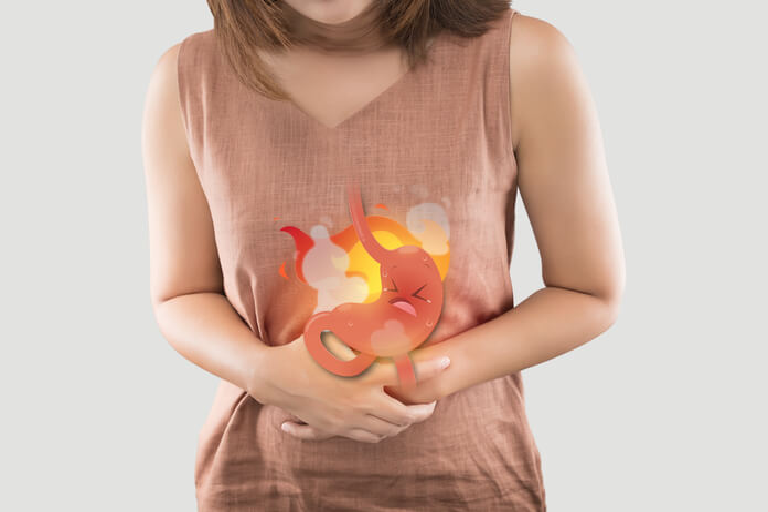
Gastroenterology and Liver Diseases
2021-02-18 - 2021-02-19    
All Day
Gastroenterology and Liver Diseases Conference 2021 provides a chance for all the stakeholders to collect all the Researchers, principal investigators, experts and researchers working under [...]
World Kidney Congress 2021
2021-02-18    
All Day
Kidney Meet 2021 will be the best platform for exchanging new ideas and research. It’s a virtual event that will grab the attendee’s attention to [...]
Agriculture & Organic farming
2021-02-22 - 2021-02-23    
All Day
                                                  [...]
Aquaculture & Fisheries
2021-02-22 - 2021-02-23    
All Day
We take the pleasure to invite all the Scientist, researchers, students and delegates to Participate in the Webinar on 13th World Congress on Aquaculture & [...]
Nanoscience and Nanotechnology 2021
2021-02-22 - 2021-02-23    
All Day
Conference Series warmly invites all the participants across the globe to attend "5th Annual Meet on Nanoscience and Nanotechnology” dated on February 22-23, 2021 , [...]
Neurology, Psychiatric disorders and Mental health
2021-02-23 - 2021-02-24    
12:00 am
Neurology, Psychiatric disorders and Mental health Summit is an idiosyncratic discussion to bring the advanced approaches and also unite recognized scholastics, concerned with neurology, neuroscience, [...]
Food and Nutrition 2021
2021-02-24    
All Day
Nutri Food 2021 reunites the old and new faces in food research to scale-up many dedicated brains in research and the utilization of the works [...]
Psychiatry and Psychological Disorders
2021-02-24 - 2021-02-25    
All Day
Mental health Summit 2021 is a meeting of Psychiatrist for emerging their perspective against mental health challenges and psychological disorders in upcoming future. Psychiatry is [...]
International Conference on  Biochemistry and Glyco Science
2021-02-25 - 2021-02-26    
All Day
Our point is to urge researchers to spread their test and hypothetical outcomes in any case a lot of detail as could be ordinary. There [...]
Biomedical, Biopharma and Clinical Research
2021-02-25 - 2021-02-26    
All Day
Biomedical research 2021 provides a platform to enhance your knowledge and forecast future developments in biomedical, bio pharma and clinical research and strives to provide [...]
Parasitology & Infectious Diseases 2021
2021-02-25    
All Day
INFECTIOUS DISEASES CONGRESS 2021 on behalf of its Organizing Committee, assemble all the renowned Pathologists, Immunologists, Researchers, Cellular and Molecular Biologists, Immune therapists, Academicians, Biotechnologists, [...]
Tissue Science and Regenerative Medicine
2021-02-26 - 2021-02-27    
All Day
Tissue Science 2021 proudly invites contributors across the globe to attend “International Conference on Tissue Science and Regenerative Medicine” during February 26-27, 2021 (Webinar) which [...]
Infectious Diseases, Microbiology & Beneficial Microbes
2021-02-26 - 2021-02-27    
All Day
Infectious diseases are ultimately caused by microscopic organisms like bacteria, viruses, fungi or parasites where Microbiology is the investigation of these minute life forms. A [...]
Stress Management 2021
2021-02-26    
All Day
Stress Management Meet 2021 will be a great platform for exchanging new ideas and research. It’s an online event which will grab the attendee’s attention [...]
Heart Care and Diseases 2021
2021-03-03    
All Day
Euro Heart Conference 2020 will join world-class professors, scientists, researchers, students, Perfusionists, cardiologists to discuss methodology for ailment remediation for heart diseases, Electrocardiography, Heart Failure, [...]
Gastroenterology and Digestive Disorders
2021-03-04 - 2021-03-05    
All Day
Gastroenterology Diseases is clearing a worldwide stage by drawing in 2500+ Gastroenterologists, Hepatologists, Surgeons going from Researchers, Academicians and Business experts, who are working in [...]
Environmental Toxicology and Ecological Risk Assessment
2021-03-04 - 2021-03-05    
All Day
Environmental Toxicology 2021 you can meet the world leading toxicologists, biochemists, pharmacologists, and also the industry giants who will provide you with the modern inventions [...]
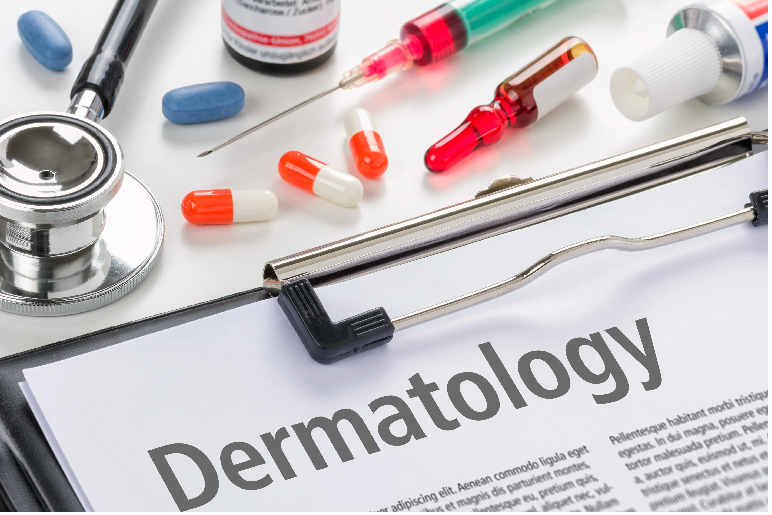
Dermatology, Cosmetology and Plastic Surgery
2021-03-05 - 2021-03-06    
All Day
Market Analysis Speaking Opportunities Speaking Opportunities: We are constantly intrigued by hearing from professionals/practitioners who want to share their direct encounters and contextual investigations with [...]
Events on 2021-02-08
Events on 2021-02-18
Events on 2021-02-24
Events on 2021-03-03
Events on 2021-03-05
Latest News

Scientists find possible autism biomarker in cerebrospinal fluid

In the fluid around the brain, low levels of a hormone called vasopressin are linked to low social ability in monkeys and to autism in children, Stanford scientists have found.

Autism diagnosis is slow and cumbersome, but new findings linking a hormone called vasopressin to social behavior in monkeys and autism in people may change that. Low vasopressin in cerebrospinal fluid was related to less sociability in both species, indicating the hormone may be a biomarker for autism.

A paper describing the research, which was led by scientists at the Stanford University 

Since autism affects the brain, it’s really hard to access the biology of the condition to know what might be altered,” said Karen Parker, PhD, associate professor of psychiatry and behavioral sciences at Stanford and the lead author of the new study. “Right now, the diagnosis is based on parents’ reports of their children’s symptoms, and on clinicians observing children in the clinic.”

The study’s senior author is John Capitanio, PhD, professor of psychology at UC-Davis.

Autism, a developmental disorder characterized by impaired social abilities, affects 1 in 68 U.S. children. Research has shown that early, intensive behavioral treatment is beneficial. Yet many children don’t receive a timely diagnosis. A biological test, with a specific lab measurement indicating autism, could make diagnosis faster.

Difficult condition to study

Not only is the biology of autism difficult to study in people, but many research animals are unsuited to autism research, Parker said. For instance, mice often fail to show behavioral changes in response to gene mutations that cause autism in people.

So the researchers looked for autism biomarkers in rhesus monkeys, a species whose social capabilities are closer to those of humans. The monkeys had been raised by their mothers in social groups in a primate research colony at UC-Davis. From 222 male animals, the scientists selected 15 with naturally low sociability and compared them with 15 monkeys with naturally high sociability on several biological parameters.

The scientists measured levels of two hormones, oxytocin and vasopressin, in the monkeys’ blood and in their cerebrospinal fluid, which bathes the brain. Both hormones are peptides implicated in a variety of social roles, including parental care and bonds between mates. Some prior studies have hinted that these hormones may also be involved in autism.

Monkeys in the less social group had significantly less vasopressin in their cerebrospinal fluid than monkeys in the more social group. These vasopressin levels accurately predicted the frequency with which individual monkeys participated in social grooming, an important social activity for rhesus monkeys. Vasopressin levels in blood were not different between the two groups. In a second group of 10 monkeys, whose cerebrospinal fluid was sampled four times over four months, the scientists showed that vasopressin levels in the fluid were stable over time.

The researchers also compared vasopressin levels in 14 boys with autism and seven age-matched children without autism. (Vasopressin levels were tested in the children’s cerebrospinal fluid, which was collected via lumbar puncture for medical reasons; their families agreed to allow some fluid to be used for research.) Children with autism had lower vasopressin levels than children without autism, the study found.

“What we consider this to be at this point is a biomarker for low sociability,” Capitanio said.

More testing, research needed

The researchers now want to test a larger group of monkeys for vasopressin levels to determine whether the hormone levels can distinguish monkeys with low social abilities from others with a wide range of social ability. And they want to explore whether low vasopressin could be detected before symptoms of impaired social ability emerge.

“We don’t know if we see really low cerebrospinal fluid vasopressin before you see behavioral symptoms of autism,” Parker said. “Ideally, it would be a risk marker, but we haven’t studied that yet.”

Parker is a member of the Stanford Child Health Research Institute, the Stanford Neurosciences Instituteand Stanford Bio-X.

The study’s other Stanford authors are Joseph Garner, D.Phil., associate professor of comparative medicine; research scientist Ozge Oztan, PhD; former research coordinator Sean Berquist; Sonia Partap, MD, clinical associate professor of neurology and neurological sciences; and Antonio Hardan, MD, professor of psychiatry and behavioral sciences.

Scientists from UC-Davis, UC-San Francisco and the Sutter Neuroscience Medical Group in Sacramento also contributed to the study.

The research was funded by grants from the National Institutes of Health (grants R21HD079095, R01HD087048, P51OD011107, R24OD010962 and the CNPRC base operating grant), the Simons Foundation, the Mosbacher Family Fund for Autism Research, Stanford Bio-X, the Weston Havens Foundation, Stanford’s Child Health Research Institute, the Katherine D. McCormick Fund and the Yani Calmidis Memorial Fund for Autism Research.

Stanford’s Department of Psychiatry and Behavioral Sciences also supported the work.

Source

