



















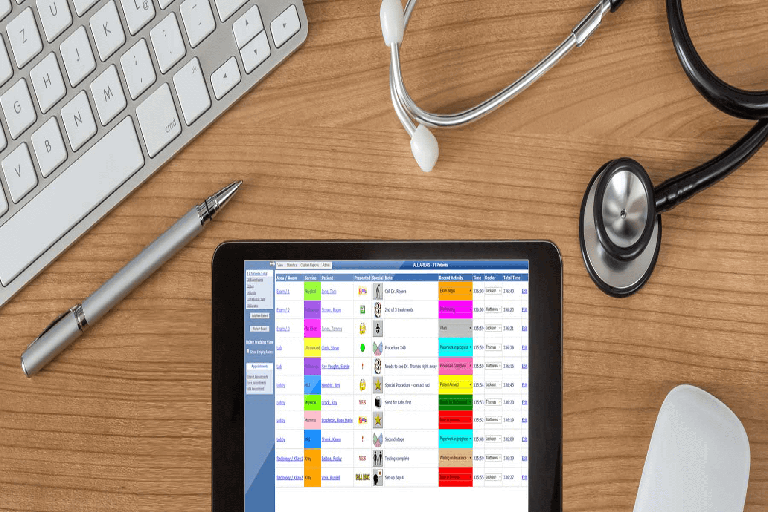









As Kimberly Leonard points out in her article (“Doctors Say Electronic Records Waste Time”), doctors are frustrated with the time it takes to use electronic health records. This is only natural. Moving from paper to digital communication is a different way of communicating and takes time to become proficient. If we think about electronic health records as a way for doctors to communicate more effectively rather than merely as a way to digitize a paper chart, then their value is greatly enhanced. Such records are just the first step in unleashing the power of health information technology.
Younger physicians take it for granted that electronic health records are part of the health care workflow. In fact, the first thing a medical resident asks me is “what EHR do you use?” It’s not surprising, therefore, that trainees “lose” on average of 18 minutes by using an electronic health record while attending physicians “lose” 48 minutes, according to the study by Dr. Clement McDonald cited in the article. Younger physicians used to communicating electronically see electronic health records as a necessary tool. It allows doctors to communicate their thoughts in ways that the whole medical team can consistently understand, and it is one repository for evaluating laboratory results, radiology reports and other pertinent information without always having to obtain information by phone or fax.
However, electronic health records, as stand-alone systems, are not where efficiencies in health care will be derived. The real power of these records lies in their ability to be interconnected, so that a doctor has access to a patient’s medical information no matter where he or she is, and whenever he or she may need it. This access leads to faster decisions, and in an emergency, these minutes saved can be a matter of life ore death. That’s why it is important for different electronic systems to communicate with each other through Health Information Exchange.
In the future, electronic communication among physicians will lead to better patient care as the U.S. moves to “value-based” and “team-based” care management driven by payment reform. This type of collaboration is best achieved via interconnected electronic health records. With broader access to their patients’ data, doctors can better understand the potential variables when assessing the risk/benefit of a particular course of care so as to avoid drug interactions or adverse events. This approach will have the greatest impact on the increasing number of Americans managing chronic diseases such as hypertension, high cholesterol, diabetes or arthritis. So, while it may seem tedious now to use electronic health records, in the long run, they will increase doctors’ efficiency and effectiveness.
Efficiency need not be measured solely in terms of minutes required to use the electronic record. It should also be evaluated in terms of the quality of care and savings derived from reducing the number of costly, redundant lab tests and x-rays and reducing the number of patients who need to be admitted or re-admitted to a hospital. This level of efficiency requires electronic health records, and importantly, requires the ability to interconnect these electronic systems.
Eugene Heslin, M.D., is a board certified family practice physician in Kingston, N.Y. and president/co-owner of Bridge Street Medical Arts LLC.


