

































Statistical Data New Lifeblood for Slogging Healthcare Systems
The days of the good old country doctor are over. Tales of trained professional medical practitioners who would travel the countryside meeting the health needs of patients at any time of the day or night made doctors beloved and legendary. But then something changed. Medicine – or the recently favored term “healthcare” – started taking on new dimensions. Technological advances in computers and chemistry made new and seemingly miraculous treatments possible. Healthcare had entered the Scientific Age, and it rode in partly on the steam of statistics.
Statistics is the mathematical and scientific analysis of data, which is information. In healthcare, the stakes are high, and experts decided long ago to leave the personal touch behind in favor of a purely scientific approach. As a result, statistics remain a required component of today’s healthcare system because the systematic utilization of data drives several key performance indicators of modern Medicine.
Tracks Complex Procedures and Drug Interactions
One thing that statistical analysis excels at is keeping track of multi-axis matrices that correlate to the complexities of human biology. So doctors were once able to determine diagnoses and cures by asking patients questions, observing their symptoms, and discerning their outcomes with emotional intelligence. These days they rely more on modern data collection and processing.
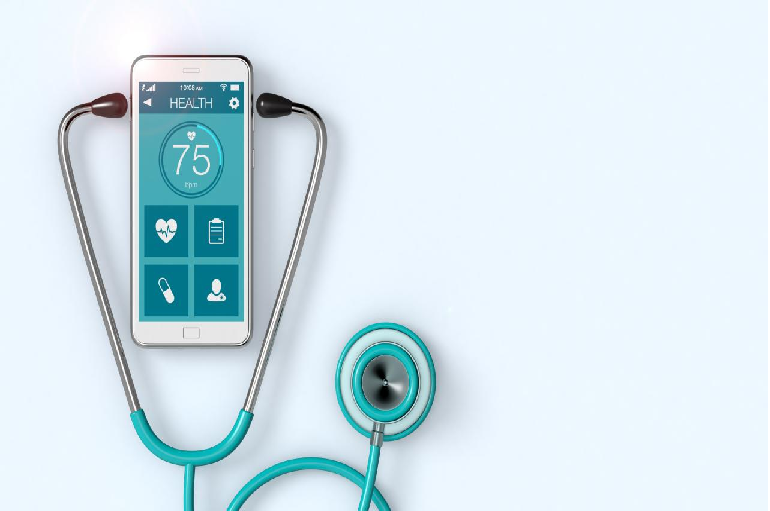
Advanced biotechnological medical procedures involving digital nanobots, gene splicing and artificial intelligence are becoming more common every day. These days, a house call will likely take the form of a telehealth visit. You may never even meet your doctor in person. It’s okay, though, because all of this computerization and data integration improves overall health. One look at the statistics for morbidity should bear this fact out even in the mind of the most ardent Luddite.
Helps Build Faith in Medicine
Statistics – good data, properly analyzed and interpreted for the laity – builds confidence in healthcare. But unfortunately, people tend to get a little unsettled by getting treated like a clump of cells in a petri dish, even if it is for their ultimate good.
Seeing the numbers, the graphs, and the conclusions that state they will be safe, will get well and will eventually go home can comfort patients as they face the uncertain reality of illnesses of which they’ve never even heard the names. Even though possibly thousands of miles away, knowing that their doctor has access to all of their vital signs gives patients the confidence they need to trust and follow the healthcare professional’s advice.
Facilitates Government Oversight
You know what they like to say about government, “if it moves, they tax it. If it keeps moving, they regulate it. And if it stops moving, they subsidize it.” That’s true of modern healthcare; the system is entirely regulated and subsidized by the federal government from taxes they collect from the public to keep them healthy and enjoying their newly bestowed gift of longevity.
The government uses statistics to keep track of every penny that flows through the medical system. They routinely pay hospitals to help regulate them by enforcing policies to keep individuals safe. Then, when the inevitable does happen and disease strikes, statistics reported by hospital staff assist government health officials in knowing what to advise the public to do to stay healthy. These recommendations could include eating certain foods, getting exercise, fresh air and sunshine, or taking certain medications designed by experts to combat diseases that sometimes spread through our society.
Using statistical data helps scientists understand how society’s significant healthcare challenges can be best met and overcome. In addition, adequately utilized information helps build a fully functioning healthcare system that is easily accessible.
Keeping accurate track of the data makes it all possible. Without statistics in modern healthcare, Medicine would have to take a giant leap backward and lose much of the progress gained over the last few centuries. Getting to the next step in healthcare will require more commitment from the population to follow the guidance of officials to protect their health and the health of those around them.


