





































Events Calendar

Mon
Tue
Wed
Thu
Fri
Sat
Sun
M
T
W
T
F
S
S
1
2
3
4
5
6
7
9
11
12
13
14
16
17
19
20
21
27
28
1
2
3
4
5
6
7
Psychiatry and Psychological Disorders
2021-02-08 - 2021-02-09    
All Day
Mental health Summit 2021 is a meeting of Psychiatrist for emerging their perspective against mental health challenges and psychological disorders in upcoming future. Psychiatry is [...]
Nanotechnology and Materials Engineering
2021-02-10 - 2021-02-11    
All Day
Nanotechnology and Materials Engineering are forthcoming use in healthcare, electronics, cosmetics, and other areas. Nanomaterials are the elements with the finest measurement of size 10-9 [...]
Dementia, Alzheimers and Neurological Disorders
2021-02-10 - 2021-02-11    
All Day
Euro Dementia 2021 is a distinctive forum to assemble worldwide distinguished academics within the field of professionals, Psychology, academic scientists, professors to exchange their ideas [...]
Neurology and Neurosurgery 2021
2021-02-10 - 2021-02-11    
All Day
European Neurosurgery 2021 anticipates participants from all around the globe to experience thought provoking Keynote lectures, oral, video & poster presentations. This Neurology meeting will [...]
Biofuels and Bioenergy 2021
2021-02-15 - 2021-02-16    
All Day
Biofuels and Bioenergy biofuel is a fuel that is produced through contemporary biological processes, such as agriculture and anaerobic digestion, rather than a fuel produced [...]
Tropical Medicine and Infectious Diseases
2021-02-15 - 2021-02-16    
All Day
Tropical Disease Webinar committee members invite all the participants across the globe to take part in this conference covering the theme “Global Impact on infectious [...]
Infectious Diseases 2021
2021-02-15 - 2021-02-16    
All Day
Infection Congress 2021 is intended to honor prestigious award for talented Young Researchers, Scientists, Young Investigators, Post-Graduate Students, Post-Doctoral Fellows, Trainees in recognition of their [...]
Gastroenterology and Liver Diseases
2021-02-18 - 2021-02-19    
All Day
Gastroenterology and Liver Diseases Conference 2021 provides a chance for all the stakeholders to collect all the Researchers, principal investigators, experts and researchers working under [...]
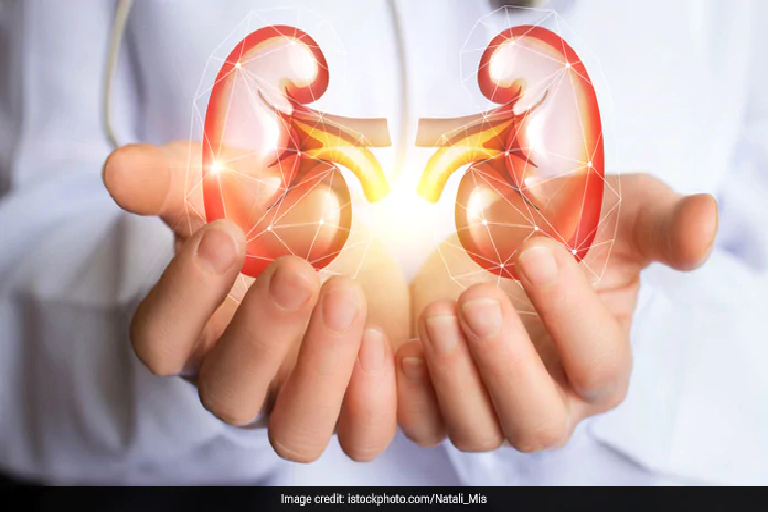
World Kidney Congress 2021
2021-02-18    
All Day
Kidney Meet 2021 will be the best platform for exchanging new ideas and research. It’s a virtual event that will grab the attendee’s attention to [...]
Agriculture & Organic farming
2021-02-22 - 2021-02-23    
All Day
                                                  [...]
Aquaculture & Fisheries
2021-02-22 - 2021-02-23    
All Day
We take the pleasure to invite all the Scientist, researchers, students and delegates to Participate in the Webinar on 13th World Congress on Aquaculture & [...]
Nanoscience and Nanotechnology 2021
2021-02-22 - 2021-02-23    
All Day
Conference Series warmly invites all the participants across the globe to attend "5th Annual Meet on Nanoscience and Nanotechnology” dated on February 22-23, 2021 , [...]
Neurology, Psychiatric disorders and Mental health
2021-02-23 - 2021-02-24    
12:00 am
Neurology, Psychiatric disorders and Mental health Summit is an idiosyncratic discussion to bring the advanced approaches and also unite recognized scholastics, concerned with neurology, neuroscience, [...]
Food and Nutrition 2021
2021-02-24    
All Day
Nutri Food 2021 reunites the old and new faces in food research to scale-up many dedicated brains in research and the utilization of the works [...]
Psychiatry and Psychological Disorders
2021-02-24 - 2021-02-25    
All Day
Mental health Summit 2021 is a meeting of Psychiatrist for emerging their perspective against mental health challenges and psychological disorders in upcoming future. Psychiatry is [...]
International Conference on  Biochemistry and Glyco Science
2021-02-25 - 2021-02-26    
All Day
Our point is to urge researchers to spread their test and hypothetical outcomes in any case a lot of detail as could be ordinary. There [...]
Biomedical, Biopharma and Clinical Research
2021-02-25 - 2021-02-26    
All Day
Biomedical research 2021 provides a platform to enhance your knowledge and forecast future developments in biomedical, bio pharma and clinical research and strives to provide [...]
Parasitology & Infectious Diseases 2021
2021-02-25    
All Day
INFECTIOUS DISEASES CONGRESS 2021 on behalf of its Organizing Committee, assemble all the renowned Pathologists, Immunologists, Researchers, Cellular and Molecular Biologists, Immune therapists, Academicians, Biotechnologists, [...]
Tissue Science and Regenerative Medicine
2021-02-26 - 2021-02-27    
All Day
Tissue Science 2021 proudly invites contributors across the globe to attend “International Conference on Tissue Science and Regenerative Medicine” during February 26-27, 2021 (Webinar) which [...]
Infectious Diseases, Microbiology & Beneficial Microbes
2021-02-26 - 2021-02-27    
All Day
Infectious diseases are ultimately caused by microscopic organisms like bacteria, viruses, fungi or parasites where Microbiology is the investigation of these minute life forms. A [...]
Stress Management 2021
2021-02-26    
All Day
Stress Management Meet 2021 will be a great platform for exchanging new ideas and research. It’s an online event which will grab the attendee’s attention [...]
Heart Care and Diseases 2021
2021-03-03    
All Day
Euro Heart Conference 2020 will join world-class professors, scientists, researchers, students, Perfusionists, cardiologists to discuss methodology for ailment remediation for heart diseases, Electrocardiography, Heart Failure, [...]
Gastroenterology and Digestive Disorders
2021-03-04 - 2021-03-05    
All Day
Gastroenterology Diseases is clearing a worldwide stage by drawing in 2500+ Gastroenterologists, Hepatologists, Surgeons going from Researchers, Academicians and Business experts, who are working in [...]
Environmental Toxicology and Ecological Risk Assessment
2021-03-04 - 2021-03-05    
All Day
Environmental Toxicology 2021 you can meet the world leading toxicologists, biochemists, pharmacologists, and also the industry giants who will provide you with the modern inventions [...]
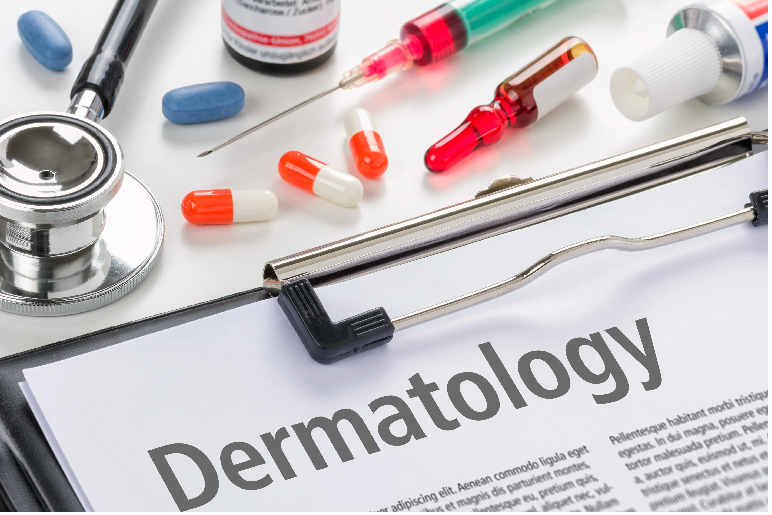
Dermatology, Cosmetology and Plastic Surgery
2021-03-05 - 2021-03-06    
All Day
Market Analysis Speaking Opportunities Speaking Opportunities: We are constantly intrigued by hearing from professionals/practitioners who want to share their direct encounters and contextual investigations with [...]
Events on 2021-02-08
Events on 2021-02-18
Events on 2021-02-24
Events on 2021-03-03
Events on 2021-03-05
Latest News

Study solves mystery of genetic-test results for patient with suspected heart condition

Although DNA testing is becoming increasingly quick, cheap and easy to perform, the results are sometimes ambiguous: Gene mutations called “variants of uncertain significance” can create uncertainty about a patient’s risk for a disease.

“This is a really big problem,” said Joseph Wu, MD, PhD, professor of cardiovascular medicine and of radiology at the Stanford University School of Medicine. “If someone tells me I have a genetic variant that could cause sudden cardiac death, I’m going to be very scared. The result could be a lifetime of unnecessary worry for a patient when, in fact, the variant may be completely benign.”

Now, Wu and a team of researchers have developed a technique that could shed light on the significance of such variants. In a new paper, they discuss how they used advanced genetic-editing tools and stem cell technology to determine whether a 39-year-old patient with one of these mysterious mutations was at increased risk for a heart-rhythm condition called long QT syndrome, which can cause erratic heartbeats, fainting and sudden cardiac death.

“This is one of the first cases of using stem cells and genomics for precision cardiovascular medicine,” said Wu, who is also the Simon H. Stertzer, MD, Professor and director of Stanford’s Cardiovascular Institute.

The paper was published June 26 in the Journal of the American College of Cardiology. Wu is the senior author, and Stanford postdoctoral scholar Priyanka Garg, PhD, is the lead author.

Heart palpitations and lightheadedness

The patient, who had a history of heart palpitations and lightheadedness, contacted a doctor worried about these symptoms. His family history showed he had a cousin who died of a heart attack playing soccer, a brother with a history of fainting and a grandfather who had four brothers die suddenly before the age of 40.  A doctor ordered several electrocardiograms to test his heart function.

The results of those tests were cause for concern and, although ultimately inconclusive, his doctor chose to be cautious and prescribed the patient beta-blockers, a medication often used to treat mild cases of long QT syndrome. Genetic tests were inconclusive, as well, but showed the patient had a variant of uncertain significance on the KCNH2 gene. This was worrisome because several other mutations on this gene are known to cause long QT syndrome type 2, one of the most common types of the disorder.

The patient was referred to Wu and his colleagues, who set out to determine whether the variant was pathogenic or benign.

Their first step was to generate induced pluripotent stem cells — or iPS cells, which can develop into any type of cell — from cells obtained from the patient’s blood. The iPS cells were differentiated into cardiomyocytes, or heart cells that actually beat spontaneously in the culture dish like a heart. They had the exact genetic makeup of the patient, including the variant of the KCNH2 gene.

These kinds of cells, which are grown in the lab, are what researchers refer to as a “disease in a dish” or a “patient in a dish.” They can be used for a variety of tests, including many that may not be feasible to conduct on patients themselves. The researchers also developed heart cells from a healthy patient for comparison.

“An advantage of generating patient-specific iPS heart cells is that you don’t have to use any invasive procedures on the patient to get them,” Garg said. “You can generate a patient’s heart cells in a dish and study them just from a simple blood sample.”

The researchers used a gene-editing tool known as CRISPR to correct the mutation, a faulty nucleotide in the KCNH2 gene, and also to introduce the same faulty nucleotide into the healthy control gene.

Tests of the heart cells with the mutation showed the hallmark features of long QT syndrome, including electrical disturbances that delay heartbeats and a mild propensity for arrhythmias compared with the cells from the healthy patient, the study said. These results did not show up in tests on the cells in which the mutation was turned off or in unaltered cells from the healthy patient.

The results confirmed that the patient did have a mild case of long QT syndrome, the study said.

In another study published recently in Circulation and also led by Wu, the researchers used the same genetic-editing tools and stem cell technology to determine that a variation of uncertain significance, which doctors worried could have been an indication of a dangerous heart condition known as hypertrophic cardiomyopathy, was actually benign.

“We were able tell the patient not to worry about it,” Wu said.

The success of using these same methods to determine whether two different patients were at risk for two completely different diseases suggests that this platform is a promising risk-assessment tool for variants of uncertain significance in general, Wu said. “The results of these studies are particularly exciting to me because we used precision health methods to address an unmet need for a patient,” he said. “This means we now have the ability to go deeper and tell a patient what a variant of uncertain significance means.”

The work is an example of Stanford Medicine’s focus on precision health, the goal of which is to anticipate and prevent disease in the healthy and precisely diagnose and treat disease in the ill.

The study’s other Stanford authors are instructors Angelos Oikonomopoulos, PhD, and Yingxin Li, PhD; former postdoctoral scholar Haodong Chen, PhD; postdoctoral scholar Chi Keung Lam, PhD; Karim Sallam, MD, clinical assistant professor of cardiovascular medicine; and Marco Perez, MD, assistant professor of cardiovascular medicine.

Researchers from the University of Utah also contributed to the study.

The research was funded by grants from the National Institutes of Health (grants T32EB009035, R01HL113006, R01HL141371, R01HL128170 and R01HL130020) and the American Heart Association.

Stanford’s Department of Medicine also supported the work

Source

